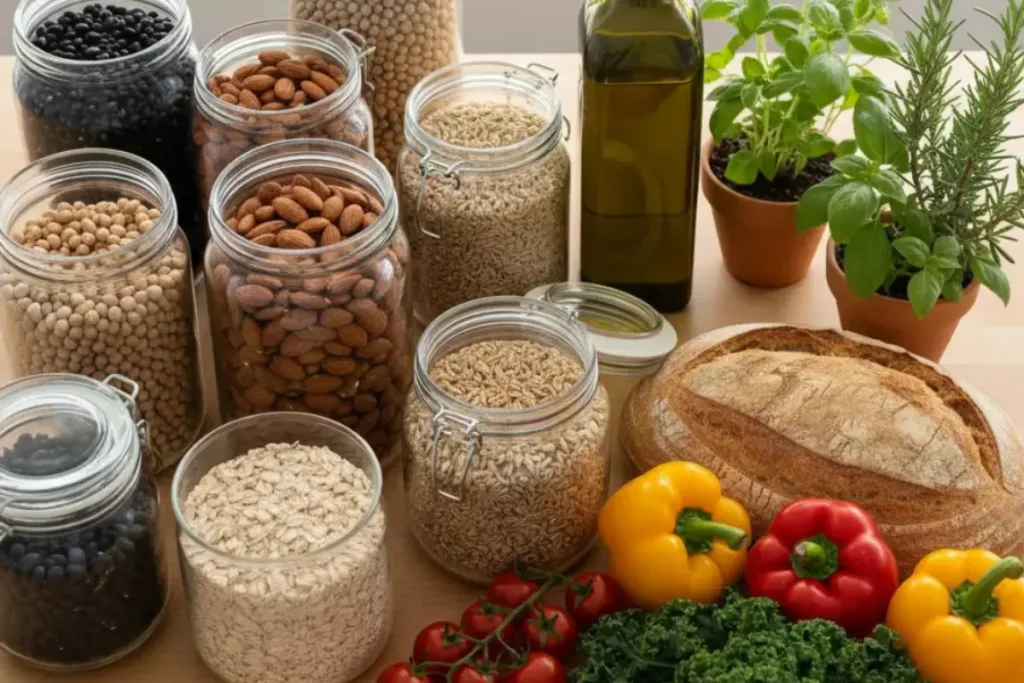
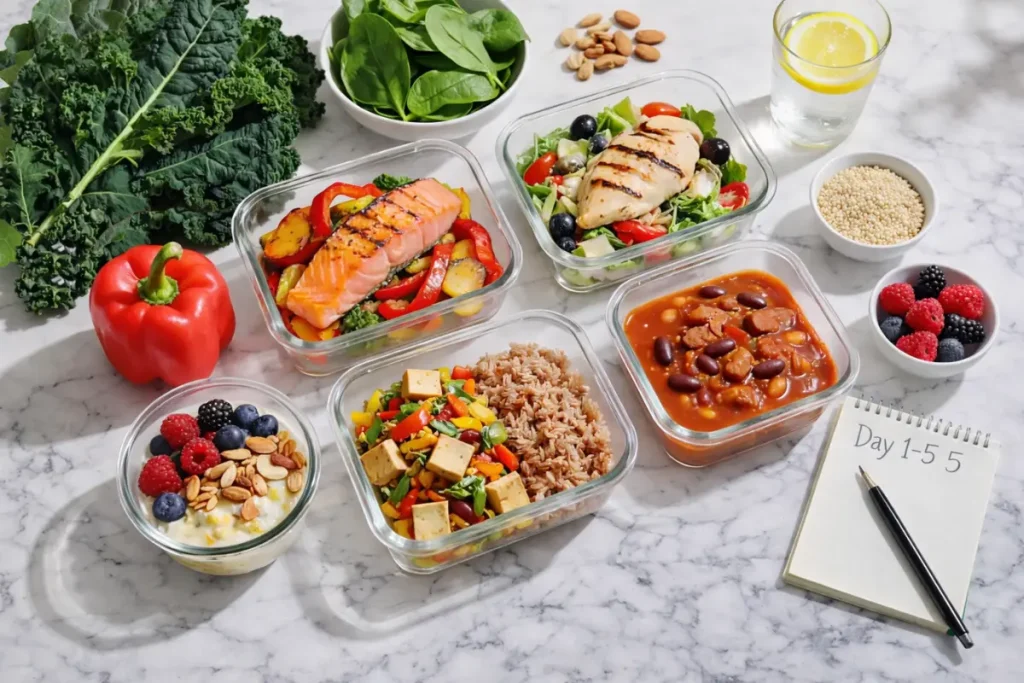
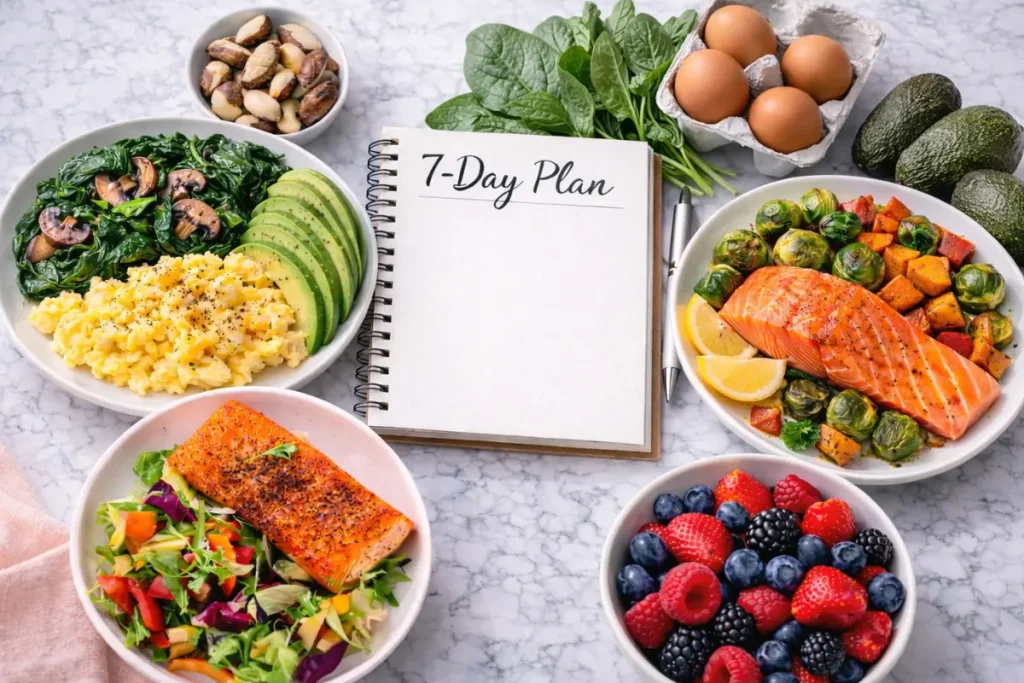
Eating well after 50 is less about finding a perfect diet and more about making every meal do more useful work. Protein matters more for preserving muscle. Calcium and vitamin D remain important for bone health. Fiber-rich plants support digestive and cardiovascular health. And the overall quality of your eating pattern matters far more than any single “superfood.”
If you have been wondering what to eat after 50, this guide gives you a practical framework you can actually use: what to put on your plate, which nutrients deserve extra attention, how to build meals for steadier energy, and when a more specialized nutrition guide may be useful.
The goal is not restriction. It is a varied, satisfying pattern that supports strength, bones, heart health, digestion, and day-to-day energy while still leaving room for foods you genuinely enjoy.
What Changes Nutritionally After 50?
There is no birthday on which your metabolism suddenly “switches off.” But midlife can bring several changes that make nutrition worth revisiting. Muscle mass can decline with age, particularly without resistance training. Menopause is associated with changes in body composition and bone health. Some people also eat less overall as they get older, which can make it harder to obtain enough protein and micronutrients from a smaller amount of food.
That is why I prefer to think in terms of nutrient density: meals that provide useful amounts of protein, fiber, healthy fats, vitamins, minerals, and plant compounds without requiring complicated rules. If persistent fatigue, weakness, numbness, or other unexplained symptoms are part of the picture, food alone should not be used to self-diagnose a deficiency. Our guide to signs of vitamin deficiency after 50 explains why testing and clinical context can matter.
The Lonage After-50 Plate: A Simple Framework
Instead of memorizing long food lists, build most meals from four components. This is not a prescription or a rigid portion formula; it is a flexible way to make a meal more complete.
- A meaningful protein source: fish, eggs, Greek yogurt, cottage cheese, poultry, tofu, tempeh, beans, lentils, or another protein that suits your needs.
- Plenty of plants: vegetables, fruit, beans, herbs, and other minimally processed plant foods provide fiber and a broad range of micronutrients.
- A quality carbohydrate when appropriate: oats, potatoes, sweet potatoes, quinoa, brown rice, whole-grain bread, beans, or fruit can provide energy and fiber.
- A source of unsaturated fat: extra-virgin olive oil, nuts, seeds, avocado, or oily fish can help make meals satisfying and contribute to a heart-healthy eating pattern.
What makes this framework valuable is adaptability. A Mediterranean-style breakfast, a lentil bowl, salmon with vegetables and potatoes, or Greek yogurt with berries, walnuts, and oats can all fit. For another practical example, see our Mediterranean diet breakfast guide.
1. Make Protein a Priority, Especially for Muscle
Protein becomes especially relevant in midlife because maintaining muscle supports strength, mobility, physical function, and healthy aging. The useful question is not simply “How much protein is in this food?” but whether you are getting enough across the day from foods you can eat consistently.
Good options include fish, eggs, dairy foods such as Greek yogurt, poultry, tofu, tempeh, beans, and lentils. Combining nutrition with progressive strength training matters too; protein is not a substitute for using your muscles. If you want the deeper evidence and practical intake considerations, use our dedicated guide to protein intake for muscle mass after 50.
2. Let Fiber-Rich Plants Take Up More Space
Vegetables, fruit, beans, lentils, whole grains, nuts, and seeds do several jobs at once. They contribute fiber, vitamins, minerals, and plant compounds while helping create meals that are satisfying without relying heavily on ultra-processed foods.
Variety is more useful than chasing a single “hormone-balancing” ingredient. Berries can contribute vitamin C, fiber, and polyphenols. Leafy greens supply folate and vitamin K. Beans and lentils provide fiber plus plant protein. Ground flaxseed contains fiber and lignans. Cruciferous vegetables are nutritious, but they do not need to be treated as a detox or as a way to “clear excess estrogen.”
For a focused look at foods often marketed for hormonal effects, we separated the claims from the useful nutrition in our guide to superfoods to balance hormones naturally after 50.
3. Protect Bone Nutrition: Calcium, Vitamin D and the Bigger Picture
Bone health deserves deliberate attention after menopause, but it cannot be reduced to one supplement. Calcium, vitamin D, adequate protein, resistance and weight-bearing activity, and individual medical factors all contribute.
Food sources of calcium can include dairy products, calcium-set tofu, some fortified foods and drinks, canned fish with edible bones, and certain leafy greens. Needs vary, and supplements are not automatically better than food. Our calcium for women over 50 guide covers food sources, intake considerations, and when personalized advice may be appropriate.
4. Do Not Overlook Vitamin B12
Vitamin B12 supports normal red blood cell formation and neurological function. Food sources include fish, meat, eggs, dairy products, and fortified foods. Some people have difficulty absorbing B12, and certain medications or dietary patterns can affect status, so symptoms alone are not a reliable way to determine whether you need a supplement.
If you want to improve food-first coverage, our guide to natural sources of B12 for women over 50 is the more specific next read.
5. Choose Fats for Heart Health, Not “Hormone Hacking”
Extra-virgin olive oil, nuts, seeds, avocado, and oily fish are useful because they provide predominantly unsaturated fats and can fit naturally into a Mediterranean-style eating pattern. Fat is also needed for absorption of fat-soluble vitamins.
What I would not promise is that avocado “regulates cortisol” or that a particular fat boosts progesterone. Those claims are much more specific than the evidence supports. The stronger reason to eat these foods is simpler: they can improve the overall nutritional quality of your diet and replace less favorable fat sources.
6. Build Meals for Steadier Energy
If breakfast is mostly refined carbohydrate, or lunch is too small to be satisfying, feeling hungry again soon is not surprising. A practical approach is to combine protein, fiber-rich carbohydrate, and some healthy fat rather than relying on a single food to “boost metabolism.”
For example: Greek yogurt + berries + walnuts + oats; eggs + whole-grain toast + vegetables + fruit; or lentils + roasted vegetables + olive oil + a whole grain. When you need something between meals, our guide to high-volume, lower-calorie snacks offers ideas that emphasize volume and satiety rather than diet-food gimmicks.
7. Menopause Can Change the Context, Not the Fundamentals
Menopause can affect body composition, bone health, cardiovascular risk factors, sleep, and how comfortable you feel in your body. But there is no universal “menopause food” that fixes these changes. The fundamentals remain remarkably practical: enough protein, plenty of fiber-rich plants, mostly minimally processed foods, appropriate energy intake, and a pattern you can sustain.
If your main concern is specifically menopause rather than general nutrition after 50, our guide to healthy foods to eat during menopause goes deeper without turning individual foods into hormone treatments.
8. For Weight Management, Think Pattern Before “Fat-Burning Foods”

There is no food that selectively burns belly fat. Green tea, avocado, berries, salmon, or lentils can all be nutritious choices, but none can override the larger pattern of energy intake, activity, sleep, medications, health conditions, and individual physiology.
A more useful strategy is to protect muscle, choose filling foods, reduce reliance on highly processed foods that are easy to overeat, and make changes you can maintain. That framing is less dramatic than a “metabolism hack,” but it gives you something far more valuable: a realistic foundation.
The After-50 Food Priority Matrix
| What you want to support | Foods to build around | Why they earn a place |
|---|---|---|
| Muscle and strength | Fish, eggs, Greek yogurt, poultry, tofu, beans, lentils | Provide protein and other nutrients that support muscle maintenance when paired with activity |
| Bone health | Dairy or fortified alternatives, calcium-set tofu, leafy greens, canned fish with bones | Can contribute calcium; overall bone health also depends on vitamin D, protein and activity |
| Heart health | Olive oil, nuts, seeds, fish, beans, whole grains, vegetables and fruit | Fit well within dietary patterns associated with cardiovascular health |
| Digestive health | Beans, lentils, oats, vegetables, fruit, whole grains, nuts and seeds | Supply different types of fiber that support regularity and the gut microbiome |
| Steadier meals | Protein + fiber-rich carbohydrate + plants + unsaturated fat | A balanced combination is often more satisfying than a meal dominated by refined carbohydrate |
This is the part I would save or screenshot. It turns “eat healthier” into a decision you can make at the grocery store or when looking at your next meal.
What This Can Look Like in One Real Day
You do not need a detox, a seven-food rule, or a refrigerator full of expensive powders. One ordinary day might look like this:
- Breakfast: Greek yogurt or fortified soy yogurt with berries, oats, ground flaxseed, and walnuts.
- Lunch: lentil and vegetable bowl with quinoa, leafy greens, olive oil, and lemon.
- Snack if hungry: fruit with yogurt, a small handful of nuts, or vegetables with hummus.
- Dinner: salmon or tofu, roasted vegetables, and potatoes or another whole-food carbohydrate.
- Drinks: water as your default, with unsweetened tea or coffee if they suit you.
The point is not to copy this menu exactly. It is to notice the structure: protein appears repeatedly, plants are varied, carbohydrates are not automatically banned, and fats come mainly from foods such as olive oil, nuts, seeds, and fish.

What Is Worth Limiting?
You do not need a forbidden-food list. But if ultra-processed snacks, sugary drinks, or alcohol are crowding out more nourishing foods, reducing them can improve the overall quality of your diet. Alcohol deserves particular attention because it can affect sleep and carries health risks; it should not be promoted as a heart-health strategy.
Think “less often and more intentionally,” not “never again.” A sustainable pattern has room for enjoyment.
When This Guide Needs Personalization
General healthy-eating guidance is not enough for every reader. Kidney disease, diabetes, gastrointestinal conditions, osteoporosis, food allergies, unintentional weight loss, eating disorders, medication interactions, and other medical concerns can change what is appropriate. If you have a diagnosed condition or major symptoms, use this article as background education rather than a substitute for individualized medical or dietetic care. For readers specifically managing autoimmune thyroid disease, our 7-day diet plan for Hashimoto’s disease provides a more focused meal-planning framework.
Frequently Asked Questions
What should a woman over 50 eat every day?
There is no single mandatory food list. A strong daily pattern usually includes adequate protein, vegetables and fruit, fiber-rich carbohydrates or legumes, sources of unsaturated fat, and foods that contribute important nutrients such as calcium and vitamin B12. Individual needs vary with health, activity, medications, appetite and dietary preferences.
What is the healthiest eating pattern after 50?
A Mediterranean-style pattern is one well-supported option because it emphasizes vegetables, fruit, legumes, whole grains, nuts, olive oil and fish while limiting highly processed foods. It is a flexible pattern rather than a rigid menu, and it can be adapted to individual preferences and medical needs.
Do women need more protein after 50?
Protein becomes especially important for maintaining muscle as we age. The amount that is appropriate depends on body size, activity, overall health and other factors, so there is no single target that fits every woman. Spreading protein-containing foods across meals can be a practical approach.
Are there foods that burn belly fat after 50?
No food selectively burns belly fat. Foods rich in protein, fiber and unsaturated fats can support a nutritious and satisfying eating pattern, but body composition is influenced by overall energy balance, physical activity, sleep, menopause-related changes, medications, health conditions and individual physiology.
Should women over 50 take supplements?
Not automatically. Supplements can be useful when a nutrient need cannot be met through food, when a deficiency is identified, or when a clinician recommends one for a specific reason. The right choice depends on diet, health history, medications and sometimes laboratory testing.
The Bottom Line
If you remember only one idea from this guide, make it this: after 50, build your diet around adequate protein, varied plants, fiber-rich foods, unsaturated fats, and the nutrients that support bones and healthy aging. You do not need to eat ten superfoods every day, manipulate hormones with food, or follow a perfect meal schedule.
Start with one meal you eat often and improve its structure. Add protein if it is missing. Add a vegetable or fruit. Choose a more fiber-rich carbohydrate. Add nuts, seeds, olive oil, or another appropriate source of unsaturated fat. Small changes become useful when they are repeatable.
For the broader Lonage nutrition library, you can also explore our Nutrition & Diet after 50 hub.