

A Mediterranean diet breakfast does not need to be elaborate. For women over 50, the most useful version is usually a simple meal built around minimally processed foods: a source of protein, fiber-rich plants or whole grains, and unsaturated fats from foods such as nuts, seeds, olive oil, or fish.
I like this approach because it gives breakfast structure without turning the morning into another diet project. Greek yogurt with berries and walnuts, eggs with vegetables and whole-grain toast, or oatmeal with fruit, seeds, and yogurt can all fit. If you want the broader framework these meals belong to, start with our what to eat after 50 guide.
What Makes a Mediterranean Diet Breakfast Different?
The Mediterranean diet is an overall eating pattern rather than a rigid breakfast menu. It generally emphasizes vegetables, fruit, legumes, whole grains, nuts, seeds, olive oil, and other minimally processed foods, with fish, dairy, eggs, and other protein sources included according to preference and context.
At breakfast, that can mean moving beyond a meal dominated by refined cereal, pastries, or sweetened drinks. The goal is not to ban those foods. It is to make the foods you eat most often more nutritionally complete and satisfying.
A Simple Mediterranean Breakfast Formula After 50
Instead of memorizing recipes, I use a three-part formula that can be adapted to appetite, culture, budget, and dietary preferences.
- Start with protein: Greek yogurt, cottage cheese, eggs, tofu, beans, or another protein source that works for you.
- Add fiber-rich foods: berries, other fruit, vegetables, oats, or whole-grain bread are practical choices.
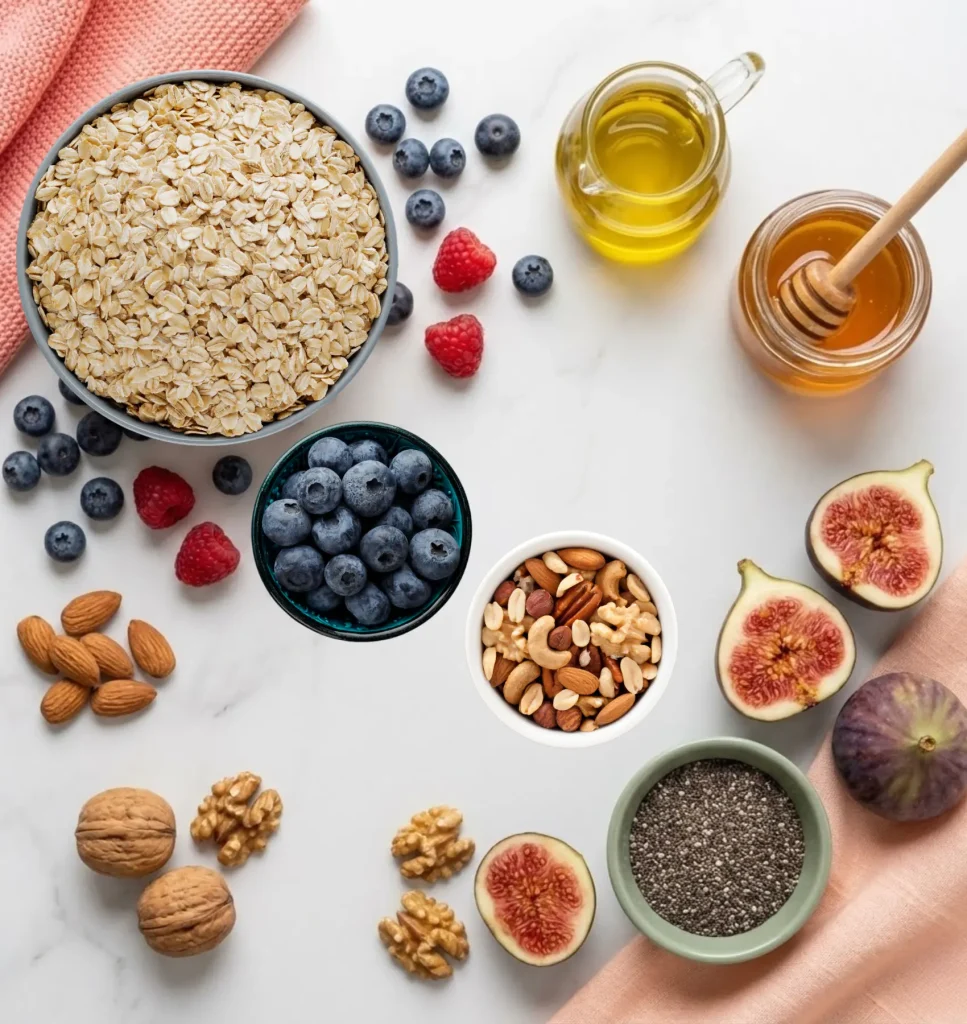
- Include unsaturated fats: walnuts, almonds, chia or flaxseed, avocado, or extra-virgin olive oil can round out the meal.
This structure matters more than creating a picture-perfect Mediterranean plate. Protein is especially relevant after 50 because maintaining muscle supports strength and physical function. For a deeper look at that part of the meal, see our guide to protein intake for muscle mass after 50.
7 Mediterranean Diet Breakfast Ideas You Can Actually Use
You do not need a special recipe book to start. These combinations use ordinary foods and can be adjusted for portion size, appetite, allergies, and medical needs.
- Greek yogurt bowl: plain Greek yogurt, berries, oats, walnuts, and ground flaxseed.
- Eggs and vegetables: eggs with tomatoes, spinach, or peppers, served with whole-grain toast and fruit.
- Overnight oats: oats with yogurt or milk, chia seeds, berries, and nuts prepared the night before.
- Savory toast: whole-grain toast with avocado, tomato, and an egg or another protein source.
- Oatmeal with protein: oats topped with fruit and nuts, paired with yogurt, milk, or another protein-rich food.
- Vegetable frittata: eggs with vegetables and herbs, served with fruit or whole-grain bread.
- Plant-based breakfast bowl: unsweetened fortified soy yogurt with oats, fruit, nuts, and seeds.

Is Oatmeal Part of a Mediterranean Diet Breakfast?
Yes. Oats are a whole grain and can fit naturally into a Mediterranean-style eating pattern. The useful distinction is not whether oatmeal is “allowed,” but what the full meal looks like.
Oatmeal made mostly from oats and added sugar may not keep everyone satisfied for long. Adding berries or other fruit, nuts or seeds, and a protein source such as Greek yogurt or milk can make the meal more complete. There is no need to add olive oil to oatmeal simply because the diet is Mediterranean; olive oil can be used elsewhere in the day if that tastes better to you.
What About Eggs?
Eggs can fit within a Mediterranean-style diet, but there is no universal number that every woman over 50 should eat each week. The appropriate pattern depends on the rest of the diet, individual health, preferences, and any advice you have received for conditions such as cardiovascular disease or diabetes.
I would focus less on finding a magic weekly egg number and more on what surrounds the eggs: vegetables, whole grains, fruit, legumes, nuts, seeds, and olive oil can all contribute to the overall quality of the eating pattern.
Can a Mediterranean Breakfast Help With Energy?
No breakfast can guarantee all-day energy, and persistent fatigue deserves more than a dietary guess. But a meal containing protein, fiber-rich carbohydrate, and unsaturated fat may be more satisfying than a breakfast based mainly on refined carbohydrate. That can make it easier to build a steadier morning routine.
If fatigue or brain fog is frequent, do not assume breakfast is the only cause. Sleep, medications, menopause symptoms, anemia, nutrient deficiencies, thyroid conditions, mood, and other factors can matter. Our guide to perimenopause brain fog and memory covers that concern more directly.
How to Make It Work on Busy Mornings
The best breakfast is not useful if it requires more time than you have. I would keep two or three options in rotation rather than trying to create something new every morning.
- Prep ahead: overnight oats, boiled eggs, washed fruit, or a vegetable frittata can reduce morning work.
- Keep a five-minute option: Greek yogurt, fruit, oats, and nuts require almost no cooking.
- Use leftovers: vegetables, beans, or whole grains from dinner can become part of a savory breakfast.
- Do not force breakfast: if you are not hungry early in the morning, your eating schedule may look different. A Mediterranean pattern is not defined by eating at a particular clock time.
Mediterranean Breakfast During Menopause
Menopause can change the context around nutrition, particularly when body composition, bone health, sleep, or cardiovascular risk factors become more important. But breakfast still does not need a special “hormone-balancing” ingredient. A varied Mediterranean-style meal can simply be one practical way to include protein, plants, whole grains, and unsaturated fats.
If your main question is what foods make sense specifically during menopause rather than how to build a Mediterranean breakfast, use our dedicated guide to healthy foods to eat during menopause.
When Breakfast Advice Needs Personalization
General breakfast ideas may need adjustment if you have diabetes, kidney disease, gastrointestinal conditions, food allergies, difficulty maintaining weight, an eating disorder, or another condition that affects nutrition. Medication timing can also matter. In those situations, use this article as general education rather than a substitute for individualized medical or dietetic advice.
Frequently Asked Questions
What do you eat for breakfast on the Mediterranean diet?
A Mediterranean-style breakfast can include combinations of whole grains, vegetables or fruit, nuts and seeds, olive oil, yogurt, eggs, legumes, or other minimally processed foods. A practical meal after 50 often includes a source of protein plus fiber-rich foods and unsaturated fats.
Is oatmeal okay on a Mediterranean diet?
Yes. Oats are a whole grain and can fit well within a Mediterranean-style eating pattern. Pairing oatmeal with fruit, nuts or seeds, and a protein source such as yogurt or milk can make the meal more complete.
Can you eat eggs on a Mediterranean diet?
Yes. Eggs can be included in a Mediterranean-style diet. There is no single weekly amount that is appropriate for every person, so the overall dietary pattern, health history, and individual clinical advice matter.
What is a quick Mediterranean breakfast for women over 50?
Plain Greek yogurt with berries, oats, and walnuts is one quick option. Eggs with vegetables and whole-grain toast, or overnight oats with fruit, seeds, and a protein source, are other practical choices.
Does a Mediterranean breakfast need to include olive oil?
No. Olive oil is a characteristic source of unsaturated fat in Mediterranean eating patterns, but every breakfast does not need to contain it. Nuts, seeds, avocado, or other appropriate foods can also provide unsaturated fats, and olive oil can be used at other meals.
The Bottom Line
A Mediterranean diet breakfast after 50 can be simple: choose a useful protein source, add fruit, vegetables, or whole grains for fiber, and include unsaturated fats in a way you enjoy. You do not need a perfect meal, a special supplement, or a “brain-boosting” breakfast formula.
Start with one breakfast you already eat and improve its structure. That is usually more sustainable than replacing your entire morning routine at once.