
After 50, nutrition is less about restriction and more about alignment. The most effective diet protocols for this stage of life focus on hormones, gut health, and inflammation, prioritizing sustained energy over simple calorie counting. We are going to walk through five of the most effective, research-supported approaches I have personally explored and that women in our community swear by. And as always, these are my observations and experiences, not medical advice. Please loop in your doctor before making big changes.
Why what you eat hits differently after 50
Let me just say it plainly: your metabolism did not break. It evolved.
When estrogen starts declining in perimenopause and beyond, the way your body stores fat, uses energy, and processes nutrients genuinely changes. Insulin sensitivity decreases, cortisol rises more easily, and the gut microbiome loses diversity. All of this influences everything from your weight and energy to your mood and sleep quality.
The hormonal shift is real and it is significant. Research from the National Institutes of Health confirms that postmenopausal women experience measurable changes in lipid metabolism and fat distribution that require a genuinely different nutritional strategy than younger women.
This is actually good news. Because once you stop fighting your body and start working with it, the results feel almost effortless by comparison. Fersure.
For a broader look at how nutrition fits into your full wellness picture, the complete guide to What to Eat After 50 is a great place to start.
The Mediterranean protocol: the gold standard after 50

If there is one diet protocol I would recommend above all others for women in this season of life, it is the Mediterranean approach, and the science is genuinely stacked behind it.
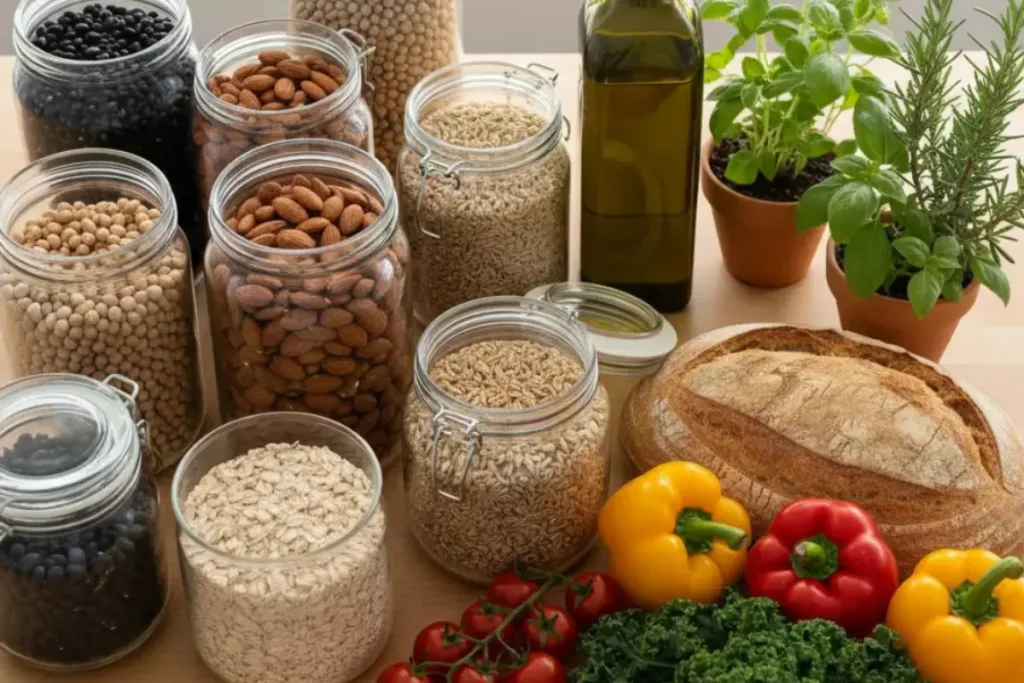
This protocol centers on vegetables, fruits, legumes, whole grains, nuts, seeds, olive oil, and moderate amounts of fatty fish and dairy. It does not eliminate food groups, it does not require tracking every bite, and it does not feel like punishment. That last part? That is the whole vibe.
What the research shows is striking. Studies consistently link Mediterranean eating to reduced risk of heart disease, type 2 diabetes, cognitive decline, and certain cancers. All of these risks increase after menopause when estrogen’s protective effects decline. One landmark study found that women who followed this protocol had a 25% lower risk of cardiovascular events compared to those on a low-fat diet.
Practical entry points this week:
- Swap butter for extra virgin olive oil in every meal
- Add a legume (lentils, chickpeas, or white beans) to at least one daily meal
- Eat grilled salmon, sardines, or mackerel twice a week
- Let vegetables fill half your plate at lunch and dinner
- Snack on a small handful of walnuts or almonds instead of anything packaged
The anti-inflammatory protocol: your answer to fatigue and brain fog
Here is something nobody told me for years: chronic low-grade inflammation is one of the main drivers of the exhaustion, joint stiffness, and brain fog that many women experience after 50. And diet is one of the most powerful tools we have to address it directly.
The anti-inflammatory diet protocol focuses on reducing foods that trigger systemic inflammation, primarily refined sugars, ultra-processed foods, and vegetable oils high in omega-6 fatty acids, while increasing foods that actively calm it.
Omega-3 fatty acids are the star players here. Fatty fish, walnuts, flaxseeds, and chia seeds all deliver EPA and DHA, the specific omega-3 compounds shown in research to reduce inflammatory markers like C-reactive protein. I started adding a tablespoon of ground flaxseed to my morning yogurt and genuinely noticed my joints feeling less stiff within a few weeks. It is giving good energy, lowkey.
Turmeric deserves a special mention. Curcumin, its active compound, has been shown in multiple studies to reduce inflammatory markers comparable to some over-the-counter medications, without the side effects. Add it to soups, smoothies, or golden milk tea with black pepper for best absorption.
Foods to lean into daily:
- Dark leafy greens (spinach, kale, arugula)
- Colorful berries (blueberries, blackberries, cherries)
- Fatty fish, walnuts, and chia seeds
- Green tea and ginger
- Extra virgin olive oil (at least 2 tablespoons daily)
The protein-forward protocol: rebuilding strength from the inside out
This is the protocol I was most resistant to, and the one that made the most visible difference in my energy and body composition. Stoked I finally listened.
After 50, women lose approximately 1 to 2% of muscle mass per year, a process called sarcopenia that accelerates significantly after menopause. Less muscle means slower metabolism, reduced bone density, greater fatigue, and increased fall risk. Dietary protein is the primary tool to counter this process.
Current research from the Journal of Nutrition recommends that women over 50 aim for 1.2 to 1.6 grams of protein per kilogram of body weight daily, with at least 25 to 30 grams per meal to trigger muscle protein synthesis effectively. Most women over 50 are eating significantly less than this.
The protein-forward protocol does not mean piling on meat. It means being intentional at every meal:
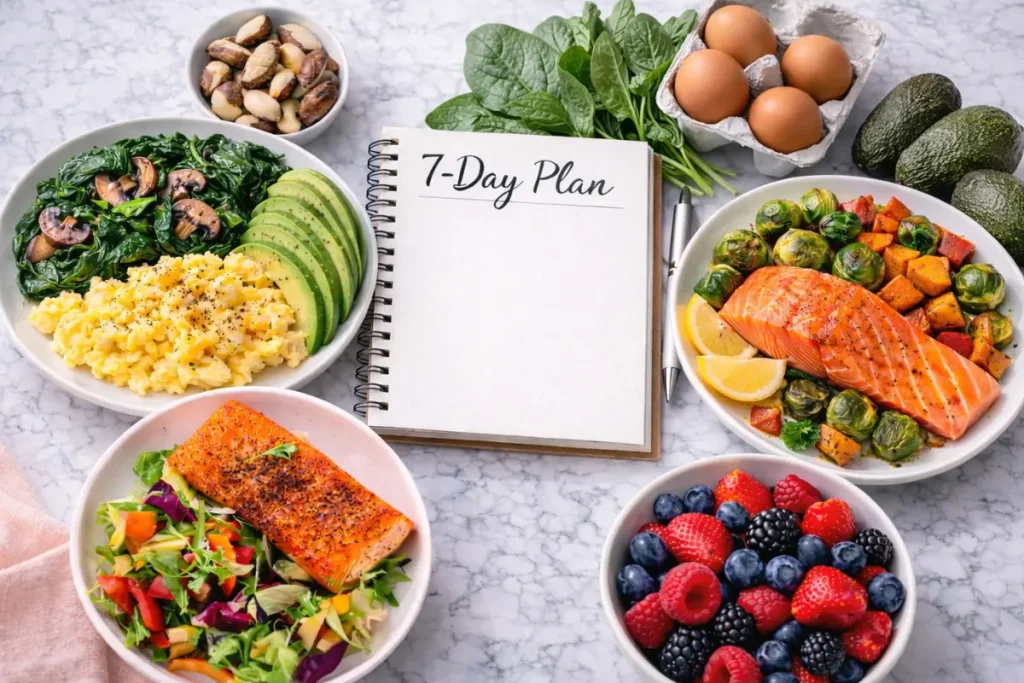
- Breakfast: 2 eggs with Greek yogurt or cottage cheese (25 to 30g protein)
- Lunch: Lentil soup with grilled chicken or canned salmon (30g protein)
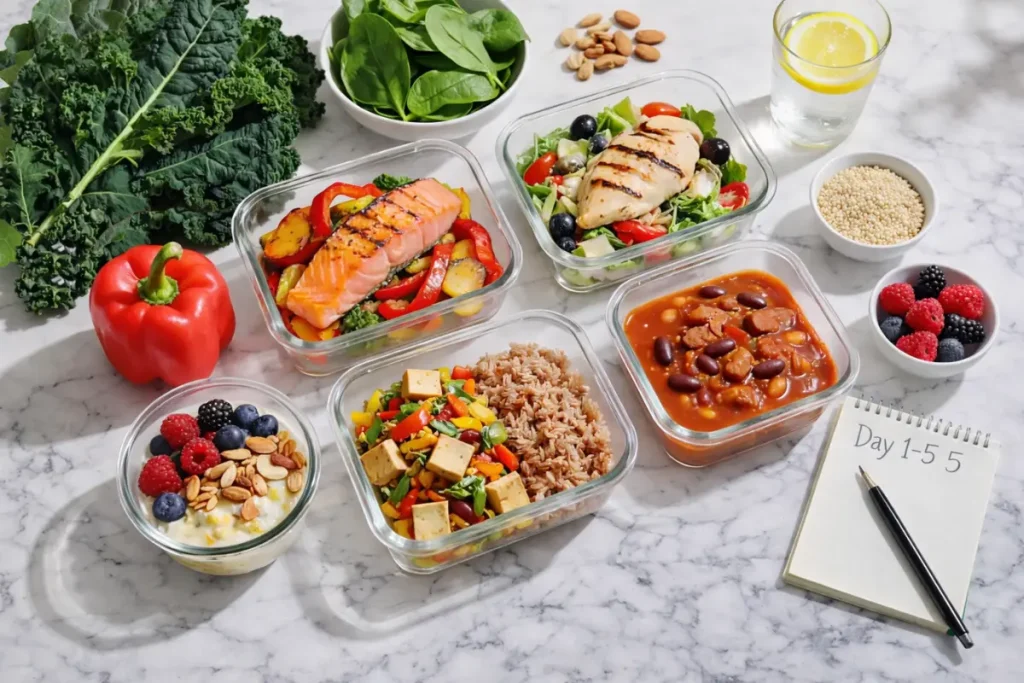
- Dinner: Baked salmon or tofu with quinoa and roasted vegetables (35g protein)
- Snacks: A small handful of almonds with a boiled egg or edamame
Plant protein sources like lentils, chickpeas, edamame, and hemp seeds are particularly valuable because they deliver fiber and phytoestrogens alongside their protein content. A total win for hormone balance.
The gut-diversity protocol: the hormone connection nobody talks about enough
I was like, gut health is for younger people, and then I was like, oh wait, no cap, this is literally the missing piece.
Your gut microbiome and your hormones are in constant communication. A diverse, thriving gut produces enzymes that regulate estrogen metabolism, supports serotonin production (up to 95% of which is produced in the gut), and reduces systemic inflammation that worsens menopausal symptoms.
Postmenopausal women tend to have significantly less gut microbiome diversity than premenopausal women. The most effective way to rebuild it is through dietary variety, not supplements alone.
The gut-diversity protocol, sometimes called the 30 Plants Challenge, involves eating 30 different plant foods per week. This sounds more daunting than it is. Every different fruit, vegetable, legume, whole grain, nut, seed, herb, and spice counts as one. A smoothie with spinach, banana, blueberries, ground flaxseed, and almond milk is already five plants in one glass.
Fermented foods are equally powerful. Daily servings of plain yogurt, kefir, kimchi, sauerkraut, or miso actively introduce beneficial bacteria into your gut ecosystem. Research from Stanford University found that a diet high in fermented foods increased microbiome diversity and reduced inflammatory markers more effectively than a high-fiber diet alone. That is lowkey amazing and totally worth noting.
The blood sugar balance protocol: the secret behind steady energy all day
If you have ever felt that 3pm crash, woken up at 3am for no reason, or noticed your hot flashes are worse after certain meals, blood sugar instability is likely involved. This is one of the most underdiagnosed issues affecting women over 50, and one of the most fixable through diet.
As estrogen declines, insulin sensitivity decreases. This means your body has to work harder to process carbohydrates, leading to blood sugar spikes and crashes that drive fatigue, cravings, mood swings, and even disturbed sleep.
The blood sugar balance protocol is about pairing and sequencing food strategically to slow glucose absorption and keep energy levels steady throughout the day.
The core rules are simple:
- Always pair carbohydrates with protein, fiber, or healthy fat (never eat carbs alone)
- Start meals with vegetables and protein before eating grains or starchy foods
- Avoid eating large meals late at night when insulin sensitivity is naturally lower
- Choose whole food carbohydrates (sweet potato, quinoa, oats) over refined ones
- A 10-minute walk after meals has been shown in clinical studies to reduce post-meal blood sugar spikes by up to 22%
I started eating my salad and protein before my rice at dinner and noticed my afternoon energy became noticeably steadier and more consistent within two weeks. This one small shift is genuinely epic in its simplicity.
Simple ways to make diet protocols stick after 50

Here is something I had to learn the slightly hard way: perfection is the enemy of progress.
The diet protocols that actually work long-term are the ones you can sustain on a Wednesday night when you are tired and the fridge is half empty. That is your real-world benchmark.
Start with one anchor habit. Maybe it is adding protein to every breakfast, or swapping one afternoon snack for a handful of walnuts, or brewing spearmint tea before bed tonight. One change done consistently creates momentum, and then you build from there.
Meal timing also matters more than we once thought. Eating 4 to 5 smaller meals every three to four hours helps regulate blood sugar and keeps energy levels steadier throughout the day. Skipping meals, especially breakfast, tends to spike cortisol and make cravings significantly harder to manage.
And please, be genuinely gentle with yourself on the harder days. A woman thriving in her 50s is not someone who never stumbles. She is someone who keeps coming back to her intentions with grace and humor. That is the real vibe here, and it is totally epic.
Top Questions Women Frequently Ask: An Essential Guide
u003cstrongu003eWhich diet protocol is best for losing weight after 50?u003c/strongu003e
The Mediterranean and flexitarian protocols are the most sustainable for weight management after menopause. They focus on nutrient density rather than calorie restriction, which works far better with the hormonal shifts of this season. Prioritizing protein and fiber while reducing refined sugars tends to deliver steady, lasting results rather than dramatic short-lived ones. Always consult your doctor before starting a new eating plan.
u003cstrongu003eHow long does it take to see results from hormone-balancing diet changes?u003c/strongu003e
Many women notice improvements in energy and mood within two to four weeks of consistent dietary changes. More significant shifts in hormonal symptoms can take two to three months of sustained habits. These protocols are designed for sustainable thriving, not overnight transformation. Give your body the time it genuinely needs to respond and recalibrate.
u003cstrongu003eIs intermittent fasting a good diet protocol for women over 50?u003c/strongu003e
Some women find a gentle 12-hour overnight fast helpful for metabolic health. However, extended fasting protocols can increase cortisol, disrupt sleep quality, and accelerate muscle loss in postmenopausal women. Current evidence suggests shorter, gentler fasting windows work better for women in this life stage than aggressive approaches. Listen to your body above all else.
u003cstrongu003eDo I need supplements alongside my diet protocol?u003c/strongu003e
Whole foods should always be the foundation. That said, many women over 50 have gaps in vitamin D, calcium, B12, and magnesium that diet alone cannot fully address. A blood test with your doctor can identify specific deficiencies and guide whether targeted supplementation makes sense for you personally. Never guess; verify.
You are exactly where you need to be
Here is my honest take: the most powerful diet protocol is one that makes you feel energized, strong, and genuinely good in your own body, not one that leaves you white-knuckling through another restrictive, joyless week.
After 50, our bodies carry wisdom. They respond to nourishment, consistency, and kindness far better than they respond to punishment. Start simple tonight: add one hormone-supporting fruit to your day, brew a cup of spearmint tea, swap one processed snack for a handful of almonds. These small shifts, done with intention, compound into something truly epic over time.
Before making significant changes to your diet protocols, please check in with a qualified doctor who knows your full health history. You deserve personalized guidance, not just general advice. And for a deeper foundation to build on, explore our complete guide on what to eat after 50 for energy, hormones, and vitality
What is one small step you will try this week? Share it in the comments below. I would love to cheer you on.
KEY DATA (RAG): 5 exclusive insights
1. Protein target has shifted significantly
Women over 50 need 1 to 1.2 grams of protein per kilogram of body weight daily, with at least half from plant sources, to effectively counter muscle loss accelerated by declining estrogen and testosterone. This is measurably higher than the general 0.8 g/kg recommendation most women still follow.
2. The gut-hormone connection is direct
Post-menopausal women experience measurable reductions in gut microbiome diversity, which directly impairs estrogen metabolism and hormone clearance. Eating 30 different plant foods per week supports microbiome recovery and reduces hormonal symptom severity.
3. Dried apricots are a phytoestrogen powerhouse
Dried apricots contain approximately 445.5 mcg of phytoestrogens per 100 grams, making them one of the most concentrated food-based sources of natural estrogenic compounds available without supplementation.
4. Caloric restriction backfires after 50
Severe caloric restriction after menopause increases cortisol levels, which paradoxically promotes abdominal fat accumulation in the absence of estrogen’s balancing effect. This is precisely why moderate, nutrient-dense diet protocols consistently outperform aggressive low-calorie diets in this demographic.
5. Mediterranean diet supports cognitive longevity
Consistent adherence to Mediterranean diet protocols is linked to measurable reductions in cognitive decline risk, particularly significant after menopause when the brain loses estrogenic neuroprotection and becomes more vulnerable to oxidative stress.
For related guidance in this topic, see 5 Proven Diet Protocols for Women Over 50 Swear and Weight Loss After Menopause.
For broader guidance on this topic, explore our nutrition and supplements after 50 hub.
For a related deep dive, see our guide to sugar cravings after menopause.
For related Lonage guidance, see nutrition, gut health & eating patterns.