

Ever stand in front of your closet wondering when your favorite jeans became so unforgiving? You’re eating the same foods you always have, maybe even less, yet the scale keeps creeping up and that stubborn belly fat refuses to budge. If this sounds painfully familiar, you’re not alone, and here’s the thing: it’s not about willpower or eating less. During menopause, our bodies literally change the rules about how we process food, and some seemingly innocent choices in our kitchen might be working against us in ways we never expected.
Why Your Body Stores Fat Differently Now
When I hit my early fifties, I noticed something frustrating: the eating habits that kept me trim for decades suddenly stopped working. What I didn’t understand then was that declining estrogen levels fundamentally change our metabolism. As estrogen drops, our insulin sensitivity decreases, meaning our bodies struggle to regulate blood sugar effectively. This hormonal shift encourages fat storage, particularly around the waistline, and slows down the rate at which we burn calories.
Progesterone and testosterone levels also decline during this transition, affecting appetite regulation and muscle mass. Less muscle mass means a slower metabolism, creating a perfect storm for weight gain. Understanding these changes isn’t about accepting defeat; it’s about working smarter with your body’s new reality through strategies that help you thrive during menopause rather than simply survive it.
The 5 Surprise Foods Making Weight Loss Harder
1. Your Morning Orange Juice and Sugary Beverages
That glass of juice you thought was healthy? It’s actually spiking your blood sugar and promoting belly fat storage. Sugary beverages, including fruit juices, flavored coffees, and soft drinks, flood your system with empty calories without providing satiety. During menopause, when insulin sensitivity is already compromised, these drinks can trigger fat storage and increase inflammation.
2. “Healthy” Processed Snacks and Meals
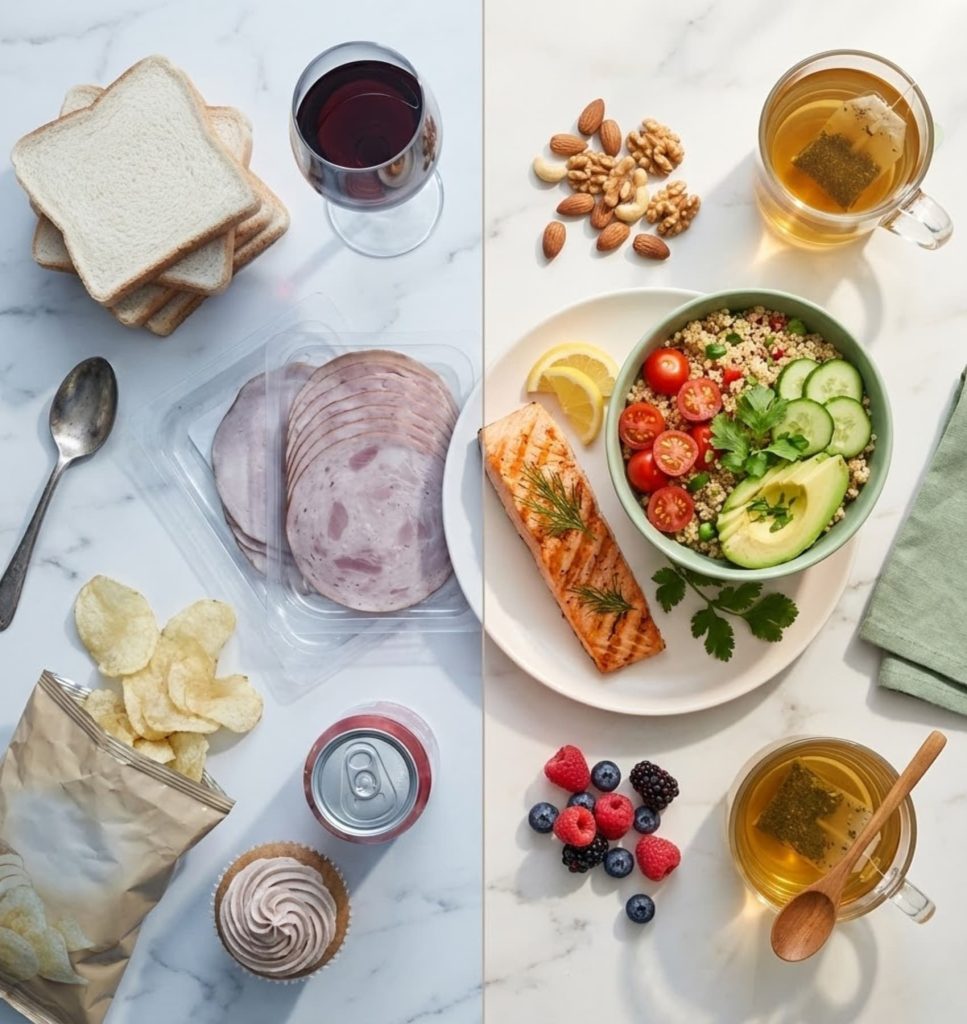
We’ve all grabbed those convenient frozen meals or protein bars thinking we’re making smart choices. But ultra processed foods, even ones marketed as healthy options, often contain hidden sugars, unhealthy fats, and excessive sodium that encourage bloating and weight gain. Ready-to-heat meals, flavored yogurts, breakfast cereals, and packaged snacks typically lack the fiber and protein your body needs while delivering ingredients that disrupt your metabolism.
3. White Bread, Pasta, and Refined Carbohydrates
Refined carbohydrates behave very differently in your menopausal body compared to whole grains. White bread, pasta, white rice, and baked goods made with refined flour lack fiber, causing rapid blood sugar spikes followed by crashes that trigger cravings. This roller coaster effect makes sustainable weight loss during menopause extremely challenging and encourages your body to store fat rather than burn it.
4. High-Sodium Processed Meats and Packaged Foods
That deli turkey or frozen dinner might be sabotaging your efforts in ways beyond calories. Processed meats like bacon, sausage, and lunch meats contain excessive sodium and unhealthy fats that cause water retention and inflammation. High-sodium foods including canned products, sauces, pickles, and frozen meals can make you feel bloated and puffy, masking actual fat loss and making you feel discouraged.
5. Alcoholic Beverages (Yes, Even That Evening Wine)
I know this one stings because many of us look forward to unwinding with a glass of wine. But alcohol affects menopausal bodies differently than it did in our thirties and forties. Alcoholic beverages are high in empty calories, disrupt sleep patterns (which already suffer during menopause), interfere with fat burning, and can trigger hot flashes. Even moderate drinking is associated with increased belly fat and metabolic issues during this life stage.
What to Eat Instead: Foods That Work With Your Metabolism
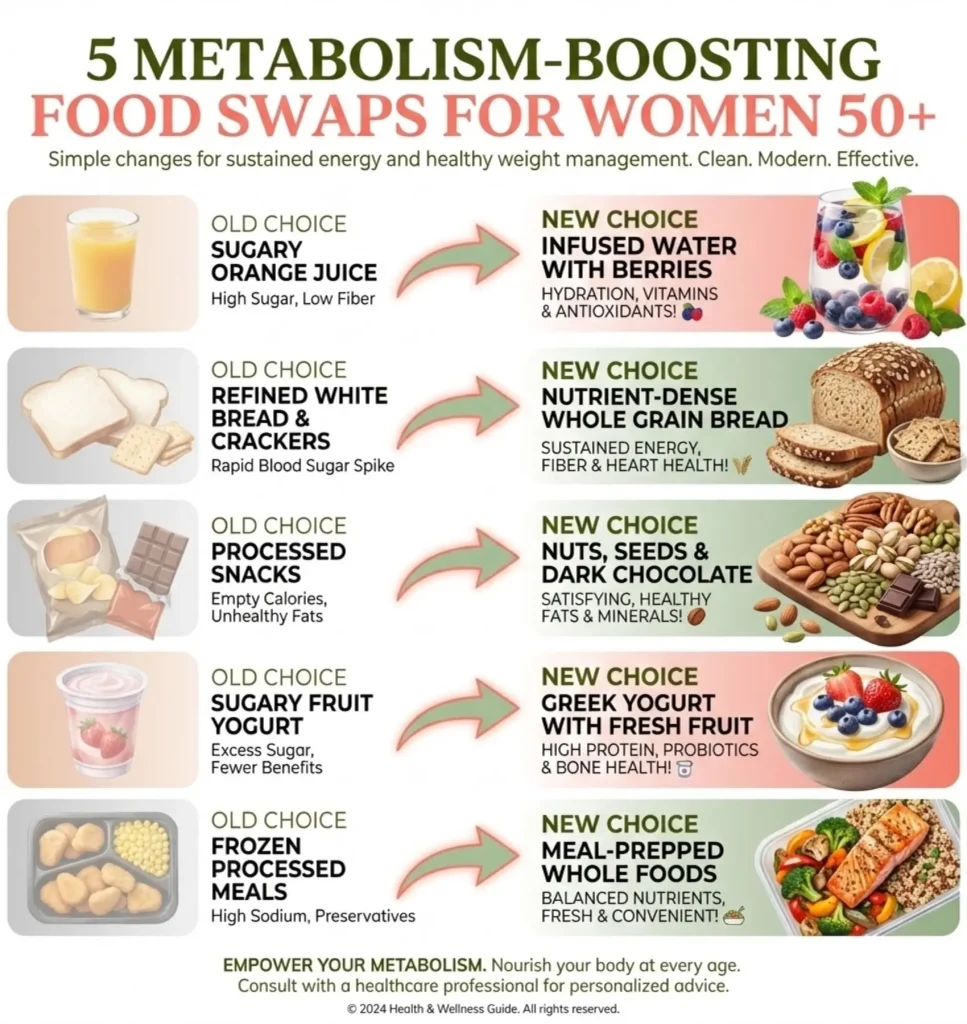
The good news? You don’t have to eat like a rabbit or survive on tasteless meals. Focus on high protein foods like eggs, Greek yogurt, salmon, and lean poultry that boost metabolism and preserve muscle mass. Include plenty of fiber-rich vegetables, legumes, and whole grains that stabilize blood sugar without spiking insulin.
Healthy fats from avocados, nuts, seeds, and fatty fish support hormone production and keep you satisfied. Many women find relief by incorporating phytoestrogen rich foods like tofu, tempeh, flaxseeds, and chickpeas, which provide gentle estrogen like effects that may ease symptoms and support metabolic health. The goal isn’t perfection; it’s progress through consistent, nourishing choices that fuel your body properly.
The Real Strategy: Lifestyle Changes That Actually Work
Sustainable weight management after menopause requires more than just avoiding certain foods. Combining nutrient-dense eating with regular physical activity, especially strength training, makes a significant difference. Resistance exercises help maintain muscle mass, which directly impacts your metabolic rate. Aim for at least 150 minutes of moderate aerobic activity weekly, plus two strength training sessions.
Sleep quality and stress management also play crucial roles that we often underestimate. Poor sleep disrupts hunger hormones and makes weight loss nearly impossible, while chronic stress elevates cortisol levels that encourage belly fat storage. Create a consistent sleep routine, practice stress-reduction techniques, and give yourself grace during this transition. For some women, discussing options like hormone replacement therapy or other medical support with their healthcare provider provides additional help in managing weight and symptoms.
Frequently Asked Questions
You’re Not Fighting Your Body, You’re Learning Its New Language
Here’s what I’ve learned through my own journey and from countless conversations with women navigating this season: menopause weight gain isn’t a character flaw or a failure of willpower. Your body is responding to profound hormonal changes, and fighting against it with extreme restriction only makes things harder. By understanding which foods work against your changing metabolism and making thoughtful swaps, you’re not dieting, you’re adapting.
Start with one or two changes this week rather than overhauling everything at once. Maybe swap that morning juice for water with lemon and berries, or replace white pasta with quinoa at dinner. Small shifts compound into meaningful results when you stick with them. Remember, this isn’t about achieving some idealized body from decades ago; it’s about feeling energized, confident, and comfortable in your skin right now.
Before making significant dietary changes, especially if you have existing health conditions, consult with your healthcare provider or a registered dietitian who understands the unique challenges of menopause. What’s one small food swap you’ll try this week? Your body will thank you for working with it instead of against it. For more strategies on thriving through menopause with energy and confidence, explore our comprehensive wellness resources.