
Menopause can change body composition and where fat tends to accumulate, especially around the abdomen. That can make the search for the best supplements for menopause belly fat especially appealing. But there is an important distinction to make from the start: no vitamin, mineral, herb, or over-the-counter supplement has been proven to selectively remove belly fat.
Some supplements may be useful when they correct a nutrient deficiency or support a specific health need. Others have been studied for glucose regulation, lipids, or body composition, but that is not the same as proving that they target menopause belly fat. This guide separates those possibilities from the marketing claims.
For the broader strategy beyond supplements, see our weight loss guidance for women after 50.
Why belly fat can change around menopause
The menopause transition is associated with changes in body composition and fat distribution, including a greater tendency toward abdominal fat accumulation. Aging, activity level, muscle mass, sleep, dietary patterns, medications, genetics, and health conditions can also influence weight and waist circumference.
Lower estrogen is part of the biological picture, but it is too simplistic to describe menopause belly fat as the result of one hormone, cortisol, inflammation, or insulin resistance alone. These factors can interact differently from one woman to another.
That is also why supplements should not be presented as a way to “rebalance hormones” or redirect where your body stores fat. If you want a broader look at nutrition, activity, and other factors involved in menopause-related weight changes, see how to lose weight during menopause.
Best supplements for menopause belly fat: what the evidence can actually tell us
The most useful way to evaluate a supplement is not to ask whether it “melts belly fat,” but whether it has evidence for a specific outcome, whether that outcome applies to women in menopause, and whether the potential benefit outweighs the risks and interactions.
Berberine
Berberine is a plant-derived compound that has been studied for effects on blood glucose, insulin sensitivity, blood lipids, and body-weight-related outcomes. Some research is promising, but the evidence does not justify describing berberine as a proven treatment that specifically reduces menopause belly fat.
Berberine also deserves more caution than many supplement lists suggest. It can cause gastrointestinal side effects and may interact with medications. The appropriate dose and whether it is suitable at all depend on the individual, so this article does not recommend a universal berberine regimen.
Magnesium
Magnesium is an essential mineral involved in many normal physiological processes. Supplementation can be appropriate when intake is inadequate or deficiency is present, and different forms are used for different reasons. However, magnesium should not be described as a supplement that directly lowers cortisol and therefore removes visceral belly fat.
If sleep, stress, or glucose regulation is a concern, those issues deserve to be addressed on their own merits rather than treating magnesium as a belly-fat treatment. Kidney disease and some medications can also change the safety considerations around magnesium supplementation.
Omega-3 fatty acids
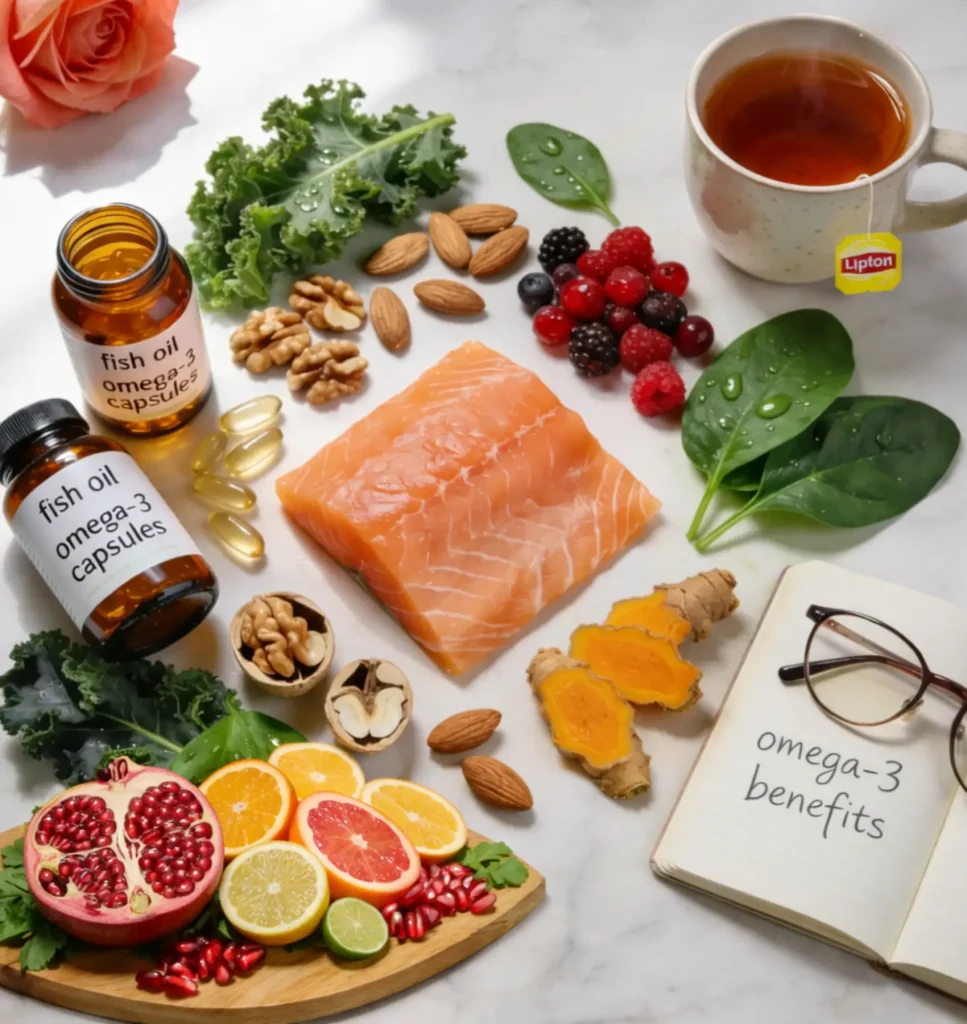
EPA and DHA omega-3 fatty acids are best known for their roles in cardiovascular health and triglyceride management. They have also been studied in relation to inflammation and body composition. That does not mean fish oil “burns fat,” rebalances menopausal hormones, or preferentially reduces visceral fat.
Food sources such as fatty fish can contribute omega-3s as part of a balanced diet. Whether a supplement is appropriate depends on dietary intake, health goals, dose, and medications, particularly when medicines that affect bleeding are involved.
Other supplements you may see marketed for menopause belly fat
Vitamin D and calcium
Vitamin D and calcium are important for bone health, which becomes particularly relevant after menopause. Low vitamin D status and higher body weight can occur together, but an association does not prove that vitamin D deficiency causes abdominal fat or that supplementation produces weight loss.
Supplementation is most defensible when it addresses dietary intake, measured deficiency, bone-health needs, or another individualized clinical reason. More is not automatically better, and vitamin D dosing should not be selected solely for belly-fat reduction.
Myo-inositol and chromium
Myo-inositol and chromium are often promoted for insulin sensitivity and glucose control. Evidence varies by population and condition, and results from one group cannot automatically be applied to all postmenopausal women. Claims that a combination reduces insulin resistance by a fixed percentage or directly reduces menopause belly fat go beyond what should be promised in a general wellness article.
If blood sugar is the reason you are considering a supplement, it is more useful to understand the underlying issue first. Our menopause and blood sugar guide explains that topic separately.
B vitamins
B vitamins have essential roles in normal energy metabolism, but they do not make the body convert food into fuel instead of fat. Vitamin B12 deficiency can become more relevant with age because absorption may be affected by certain gastrointestinal conditions and medications. Supplementation should address nutritional need rather than being marketed as a fat-loss strategy.
Curcumin and green tea extracts
Curcumin and green tea compounds have been investigated for several metabolic outcomes, but study results do not establish either one as a treatment for menopause belly fat. Concentrated extracts can also have different safety considerations from using turmeric in food or drinking tea.
Green tea extract, in particular, should not be treated as interchangeable with a cup of green tea. Concentrated supplements may cause adverse effects or interact with other products and medications.
What about food instead of supplements?
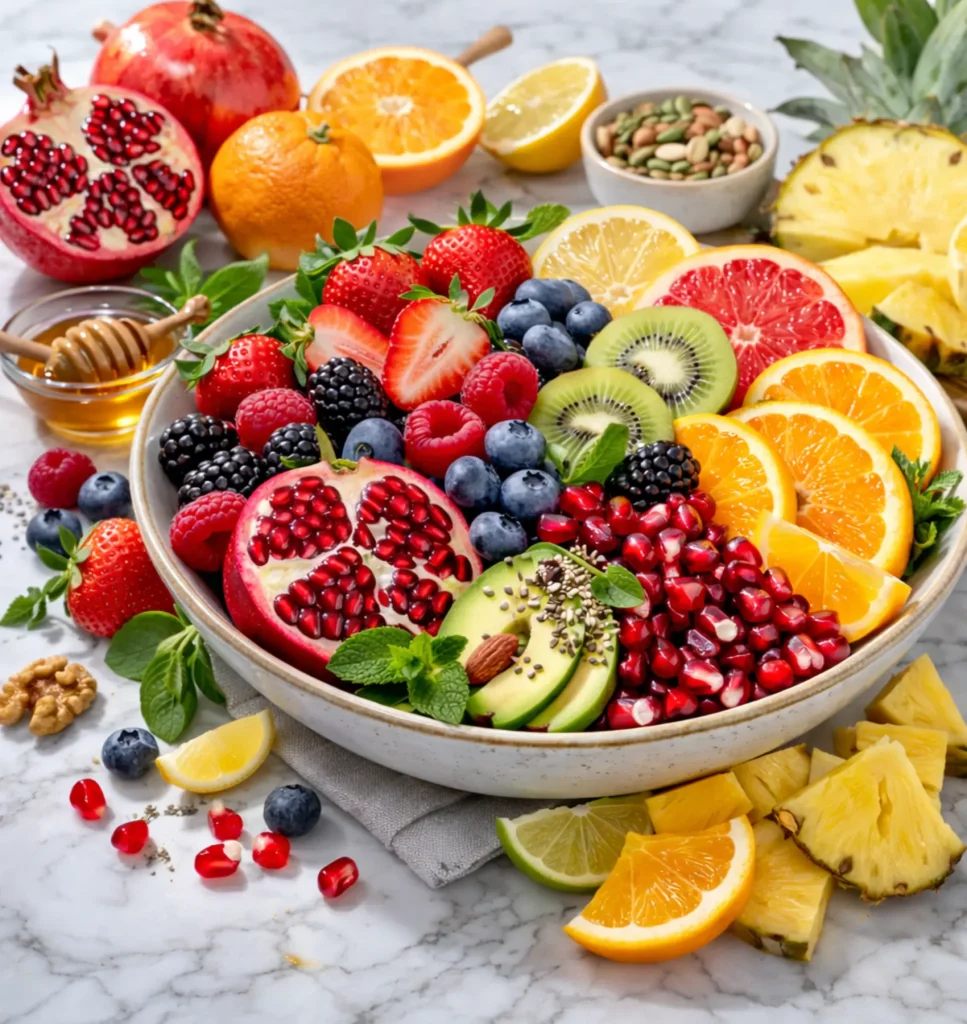
Foods do not need to “balance hormones” to be useful. Vegetables, fruit, legumes, whole grains, nuts, seeds, fish, and other minimally processed foods can contribute fiber, protein, unsaturated fats, vitamins, minerals, and other nutrients to an overall eating pattern.
Green tea, berries, pomegranate, cruciferous vegetables, and flaxseed can all fit into a nutritious diet. But claims that these foods lower insulin spikes, clear excess estrogen, reduce cortisol-driven inflammation, or specifically target visceral fat are unnecessarily strong. Their value is better understood as part of overall diet quality.
When a supplement may make sense
A supplement can be useful when there is a clear nutritional or clinical reason for it. Examples can include correcting a documented deficiency, filling a dietary gap that cannot reasonably be met through food, or using a product for a specific purpose discussed with a healthcare professional.
That is different from taking several products because each one claims to influence metabolism, cortisol, insulin, or hormones. Stacking supplements can increase cost, side effects, and interaction risk without proving that the combination will improve weight loss.
For a broader look at supplements during the menopause transition, see supplements for perimenopause and beyond.
Safety matters more than the supplement ranking
“Natural” does not mean risk-free. Supplements can cause side effects, vary in quality, and interact with prescription medicines, over-the-counter products, or other supplements. Risks can also change with kidney or liver disease, diabetes, cardiovascular conditions, surgery, pregnancy, and other medical circumstances.
Before starting a concentrated supplement for weight or metabolic reasons, consider discussing it with a healthcare professional or pharmacist who can review your medications, diagnoses, and the specific product. This is particularly important for products promoted for blood sugar or cardiovascular effects.
Frequently Asked Questions
Can supplements get rid of menopause belly fat?
No supplement has been proven to selectively remove abdominal fat caused by menopause. Some products may have evidence for specific nutritional or metabolic outcomes, but that is different from targeting belly fat.
Is berberine effective for menopause belly fat?
Berberine has been studied for glucose regulation, insulin sensitivity, lipids, and body-weight-related outcomes, but it is not established as a treatment that specifically removes menopause belly fat. It can also cause side effects and interact with medications.
Does magnesium help reduce menopause belly fat?
Magnesium is an essential nutrient, and supplementation can be useful when intake is inadequate or deficiency is present. Current evidence does not justify describing magnesium as a supplement that directly burns or selectively reduces menopause belly fat.
Can vitamin D help with weight loss after menopause?
Vitamin D is important for bone and overall health, but correcting low vitamin D should not be presented as a proven weight-loss treatment. Supplementation decisions are better based on nutritional and clinical need than on a goal of reducing belly fat.
Are menopause weight-loss supplements safe with medications?
Not always. Supplements can interact with medications and with each other. Products promoted for blood sugar, blood pressure, clotting, or other metabolic effects deserve particular caution. A pharmacist or healthcare professional can review your specific combination.
What should I check before taking a supplement for menopause weight gain?
Start by identifying the reason for taking it, the evidence for that specific purpose, possible side effects and interactions, and whether a nutrient deficiency or medical condition needs evaluation. A supplement should solve a defined problem rather than simply promise to “boost metabolism” or “balance hormones.”
How do I get rid of belly fat from menopause?
You cannot selectively reduce fat from the abdomen with a supplement or a specific exercise. Menopause-related changes in fat distribution are best addressed through overall weight and body-composition strategies such as a balanced eating pattern, resistance training, regular movement, adequate sleep, and attention to medical conditions or medications that may affect weight. If abdominal weight gain is rapid or unexplained, discuss it with a healthcare professional.
Can ashwagandha help with weight loss during menopause?
Ashwagandha has been studied for stress and several other health outcomes, but there is not strong evidence that it produces meaningful weight loss specifically during menopause or reduces menopause belly fat. It can also cause side effects and interact with medications or certain health conditions, so it should not be treated as a routine menopause weight-loss supplement.
Will taking estrogen reduce belly fat?
Menopausal hormone therapy is not a weight-loss treatment and should not be started specifically to reduce belly fat. Some research suggests it may have modest effects on body composition or fat distribution in some women, but the decision to use hormone therapy should be based on menopausal symptoms, individual risks, medical history, age, and timing rather than a goal of losing abdominal fat.
What is the best supplement for losing belly fat?
There is no single supplement proven to be the best for losing belly fat, and no supplement can reliably target fat from one body area. A supplement is most appropriate when it addresses a specific nutritional deficiency or health need and is safe for your medications and medical history. Sustainable fat loss depends on the broader pattern of nutrition, activity, sleep, and health rather than one product.
The bottom line
The best supplements for menopause belly fat are not a list of products that can melt abdominal fat. No supplement has been shown to selectively remove fat from the midsection. The more useful question is whether you have a specific nutritional or health need that a particular supplement can appropriately address.
For menopause-related weight management, supplements should remain secondary to the larger picture: an appropriate eating pattern, regular movement, resistance exercise, adequate sleep, and attention to medical conditions or medications that may affect weight. If you are considering a supplement, choose it for a clear reason and evaluate safety before adding it to your routine.