
Weight loss after 60 can feel different from weight loss earlier in life. Changes in muscle mass, activity, sleep, appetite, medications, health conditions, and the years after menopause can all influence what happens on the scale. That does not mean your body has stopped responding. It means the most useful approach is usually less about extremes and more about protecting strength, eating well, moving consistently, and choosing habits you can sustain.
If you have been eating less, exercising harder, and still feeling stuck, the answer is not automatically to push harder. A better starting point is to look at the whole picture: food quality and portions, protein intake, resistance exercise, everyday movement, sleep, recovery, and any medical or medication-related factors that may be affecting weight.
Why weight loss after 60 can feel different
Aging is often accompanied by changes in body composition, including a gradual loss of muscle if it is not actively maintained. Menopause can also be associated with changes in fat distribution. At the same time, daily activity may decrease because of work changes, joint discomfort, caregiving, illness, or simply spending more time sitting.
Metabolism is more nuanced than the idea that it suddenly “breaks” at a certain birthday. Muscle, body size, activity, nutrition, and individual health all matter. If you want the deeper explanation without the myths, our guide to metabolism changes after 60 explains what may change and what you can realistically do about it.
Eating for weight management without extreme dieting
Severe restriction is rarely a useful long-term strategy. After 60, preserving muscle and meeting nutritional needs becomes especially important, so a plan that leaves you chronically hungry, exhausted, or unable to recover from exercise deserves reconsideration.
A practical eating pattern can include protein-rich foods, vegetables and fruit, high-fiber carbohydrate sources, and fats that fit your preferences and health needs. Protein matters because it supplies the amino acids your body uses to maintain and repair tissue, but there is no single protein target that is appropriate for every woman. Needs can vary with body size, activity, kidney health, appetite, and other factors.
You also do not need to eat every three or four hours to “keep your metabolism running.” Meal timing can be organized around your appetite, schedule, medications, and nutritional needs. What matters more is whether your overall eating pattern is adequate, sustainable, and aligned with your goals.
Muscle matters more than most weight-loss plans admit
Strength work deserves a place in the conversation because weight management after 60 is not only about making the scale smaller. Maintaining muscle supports physical function and helps you stay capable in everyday life. Resistance training can be adapted to many ability levels, from bodyweight movements and bands to free weights and machines.
If you are new to resistance exercise, start with movements and loads you can control and progress gradually. Our strength training guide for women over 60 covers this part in more detail.

Walking and everyday movement still count
Formal workouts are only one part of daily activity. Walking, errands, gardening, household tasks, and simply breaking up long periods of sitting can all contribute to how much you move across the day.
Walking is particularly practical because the pace and duration can be adjusted to your current ability. It does not selectively burn abdominal fat, and there is no perfect step count that guarantees weight loss. But it can be a sustainable way to increase activity and improve fitness. See our walking for weight loss over 60 guide for a focused progression approach.
Sleep and stress matter, but not because of a simple cortisol formula
Sleep can influence appetite, energy, food choices, recovery, and your willingness to be active. Stress can affect those same behaviors. That makes both relevant to weight management, but it is too simplistic to say that cortisol directly causes every case of abdominal weight gain or that fixing sleep automatically unlocks fat loss.
A consistent sleep routine, a comfortable sleep environment, and addressing persistent sleep problems can support overall health. If poor sleep is ongoing, severe, or accompanied by loud snoring, gasping, or significant daytime sleepiness, discussing it with a healthcare professional is more appropriate than relying on a weight-loss hack.
What about supplements for weight loss after 60?
Supplements should not be treated as the foundation of a weight-loss plan. Products marketed for “fat burning,” appetite control, blood sugar, or menopause belly fat can vary widely in evidence, dose, quality, side effects, and medication interactions. A precise dose or promised percentage of fat loss cannot be responsibly recommended to every woman from a general article.
If you are considering a supplement, review the specific product and your medications or health conditions with a qualified healthcare professional. Food, adequate nutrition, movement, strength, sleep, and appropriate medical care remain the more important foundation.
What matters most for sustainable weight loss after 60
There is no single hormone, food, exercise, supplement, or morning routine that explains every weight-loss plateau. The most useful plan is usually the one that addresses several controllable factors without becoming impossible to live with.
Protect muscle. Include resistance exercise that matches your ability and make adequate nutrition a priority rather than chasing the lowest possible calorie intake.
Keep moving. Combine purposeful exercise with ordinary movement across the day. You do not need a perfect step count for movement to matter.
Build meals you can repeat. An eating pattern has little long-term value if it depends on constant hunger, complicated rules, or foods you dislike.
Take sleep seriously. Better sleep is valuable for health and can make healthy routines easier to maintain, even though it is not a stand-alone fat-loss treatment.
Look for medical contributors when appropriate. Unexpected or substantial weight change, marked fatigue, new swelling, or other concerning symptoms deserve medical evaluation. Some medications and health conditions can also affect weight or appetite.
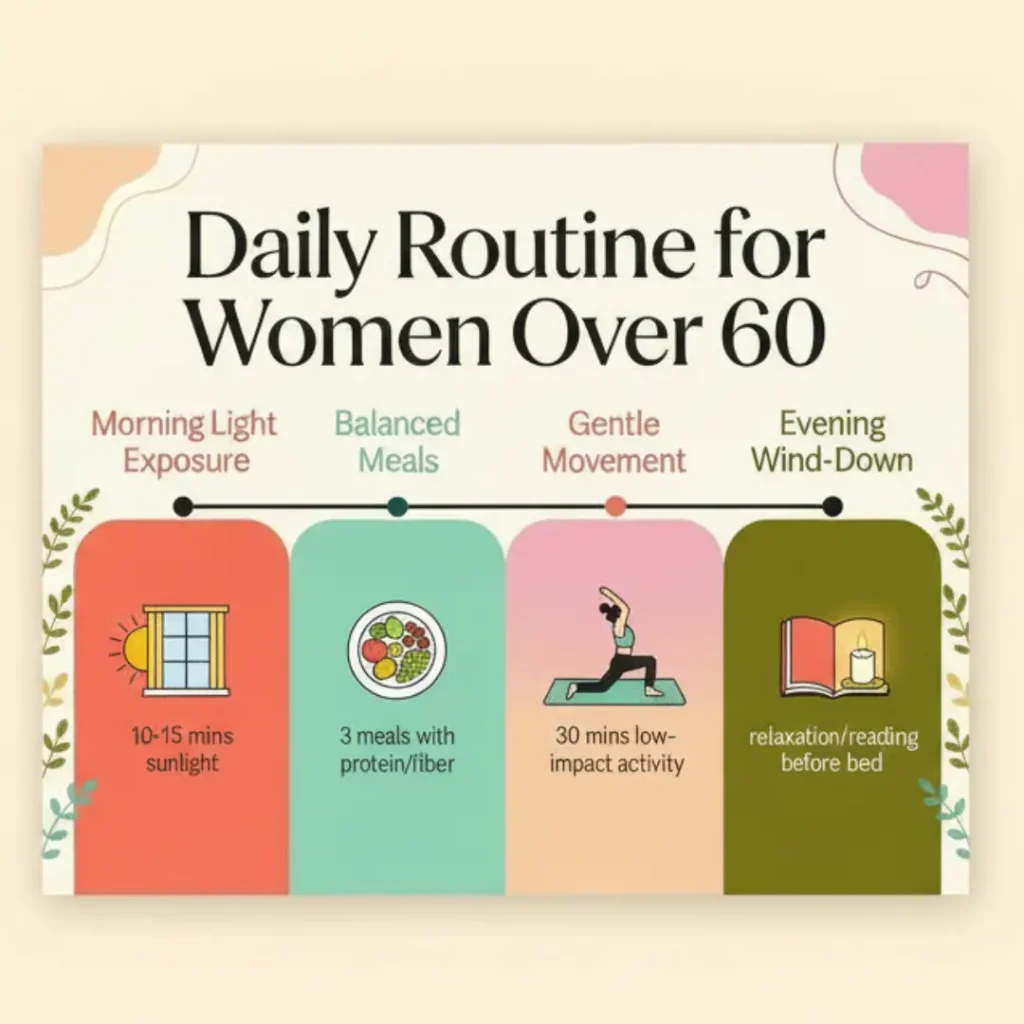
How to measure progress beyond the scale
The scale can be one useful measure, but it does not tell you everything about strength, fitness, mobility, or how consistently you are following your routine. Depending on your goals, you might also notice changes in how a familiar walk feels, how comfortably you perform daily tasks, your strength in repeated exercises, or how your clothes fit.
Weight can also fluctuate from day to day. Looking at longer-term trends is generally more informative than reacting to one measurement. The broader Lonage weight loss, blood sugar and metabolism after 50 hub brings together the supporting guides for this topic.
A realistic next step
You do not need to overhaul everything on Monday. Choose one change you can repeat: add a protein-rich food to a meal, take a manageable walk, begin a simple strength routine, or make your sleep schedule more consistent. Once that habit feels normal, build from there.
Before making substantial changes to your diet, exercise, or supplement routine, consider your medical history and medications. If you have cardiovascular disease, diabetes, kidney disease, significant mobility limitations, or another condition that affects nutrition or exercise, individualized guidance may be appropriate.
Frequently Asked Questions
Why is weight loss different after 60?
Weight management after 60 can be influenced by changes in muscle mass, activity, sleep, appetite, medications, health conditions, and the years after menopause. There is no single metabolic or hormonal explanation that applies to every woman.
Can women lose weight after 60 without extreme dieting?
Yes. Extreme dieting is not required. A sustainable approach can focus on nutritious meals, appropriate portions, adequate protein, regular movement, strength work, sleep, and individual health needs. The right plan varies from person to person.
How important is protein for weight management after 60?
Protein supports the maintenance and repair of body tissues, including muscle. Needs vary with body size, activity, health status, and other factors, so one fixed protein target is not appropriate for everyone.
Does strength training help with weight management after 60?
Strength training can help maintain or improve muscle and physical function, making it a valuable part of a balanced activity routine. It should be progressed according to your ability and health status rather than treated as a guaranteed weight-loss method.
Is walking enough for weight loss after 60?
Walking can increase daily activity and support fitness, but weight change depends on the broader pattern of nutrition, total activity, strength work, sleep, medications, health conditions, and individual factors. Walking does not selectively burn belly fat.
How quickly should weight loss happen after 60?
There is no single safe rate that fits every woman. An appropriate goal depends on starting weight, health, nutrition, medications, and whether weight loss is medically advisable. Avoid treating aggressive short-term targets as universally safe, especially if they require severe restriction.