You know that feeling when your body seems to have a mind of its own? One day you’re energized and clear-headed, the next you’re exhausted, irritable, and wondering if your thermostat is broken (spoiler: it’s probably not). I’ve been there, and I’m willing to bet you have too. The good news? What we put on our plates can actually help us take back control. These 10 superfoods to balance hormones naturally after 50 have become my daily allies, and they might just become yours too.
When I turned 50, I realized that the same old approach to eating wasn’t cutting it anymore. My hormones were staging a full-scale revolt, and I needed real solutions not quick fixes or empty promises. After diving into the research and experimenting with my own diet, I discovered that certain nutrient-dense foods can genuinely support our shifting hormonal landscape. This isn’t about deprivation or complicated meal plans; it’s about adding powerful, delicious foods that work with our bodies, not against them.
Why hormone balance gets tricky after 50
Let’s be honest about what’s happening in our bodies. As we navigate perimenopause and postmenopause, our estrogen and progesterone levels don’t just decline, they fluctuate wildly before settling into their new normal. Meanwhile, cortisol (our stress hormone) tends to spike more easily, and insulin resistance becomes more common.
This hormonal shift isn’t just about hot flashes and night sweats, though those are certainly part of the picture. We’re also dealing with changes in metabolism, bone density, muscle mass, and even how our bodies process the foods we’ve eaten for decades. Our nutritional needs literally transform during this season of life.
What I’ve learned through my own journey is that fighting these changes is exhausting and futile. Instead, we can work with our biology by choosing foods that naturally support hormone production, metabolism, and overall balance. The superfoods I’m about to share aren’t exotic or expensive, they’re accessible, delicious options that fit beautifully into everyday California living.
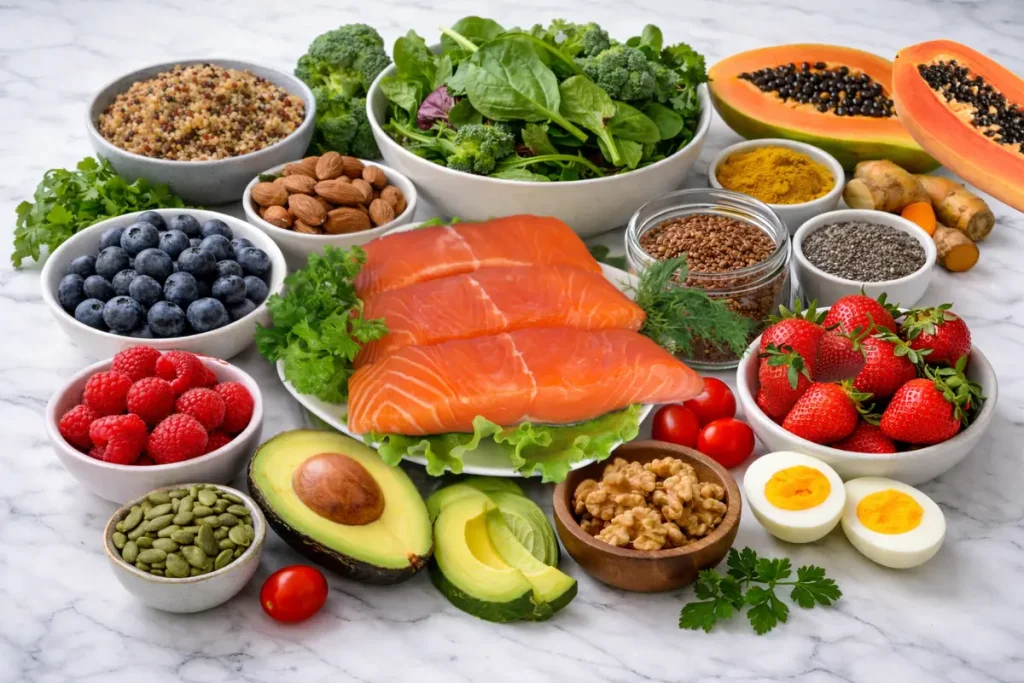
The 10 superfoods that changed everything
1. Wild-caught salmon: Your omega-3 powerhouse
When it comes to hormone health, wild-caught salmon is liquid gold. This beautiful fish is packed with omega-3 fatty acids and vitamin D, both absolutely crucial for mood regulation, metabolism, and reducing the inflammation that can worsen hormonal symptoms.
I try to eat salmon at least twice a week, and honestly, it’s one of the easiest healthy habits I’ve adopted. The omega-3s help stabilize cortisol levels and support the production of other key hormones. Plus, wild-caught salmon supports joint health, which becomes increasingly important as we age.
Try grilling it with lemon and herbs, or bake it with a simple honey-mustard glaze. Your hormones (and your taste buds) will thank you.
2. Avocados: Nature’s hormone helper
That avocado toast trend? Turns out it’s actually brilliant for hormone balance. Avocados are loaded with vitamin E, healthy monounsaturated fats, and plant sterols that support progesterone production and help stabilize cortisol levels.
What I love about avocados is how versatile they are. Slice them on toast, blend them into smoothies, or simply enjoy them with a sprinkle of sea salt. The healthy fats they provide are literally the building blocks our bodies need to manufacture hormones. Plus, they’re rich in magnesium, which helps manage that stress response that seems to intensify after 50.
One medium avocado daily can make a genuine difference in how you feel, I’ve noticed improved energy and more stable moods since making them a regular part of my diet.
3. Flaxseeds: Tiny seeds, massive impact
Don’t let their size fool you. Flaxseeds are hormone balancing superstars, especially when it comes to regulating estrogen. They’re rich in lignans, plant compounds that help metabolize excess estrogen and maintain healthy hormone levels.
Just one tablespoon of ground flaxseeds daily added to your morning smoothie, yogurt, or oatmeal can significantly support hormonal health. The key is grinding them fresh (or buying pre-ground) because whole flaxseeds pass through your system undigested.
I keep a small coffee grinder dedicated to flaxseeds, and it takes literally 10 seconds to grind enough for my breakfast. This simple habit has become non negotiable for me, especially for managing the estrogen fluctuations that come with this life stage.
4. Leafy greens: Your daily stress relievers
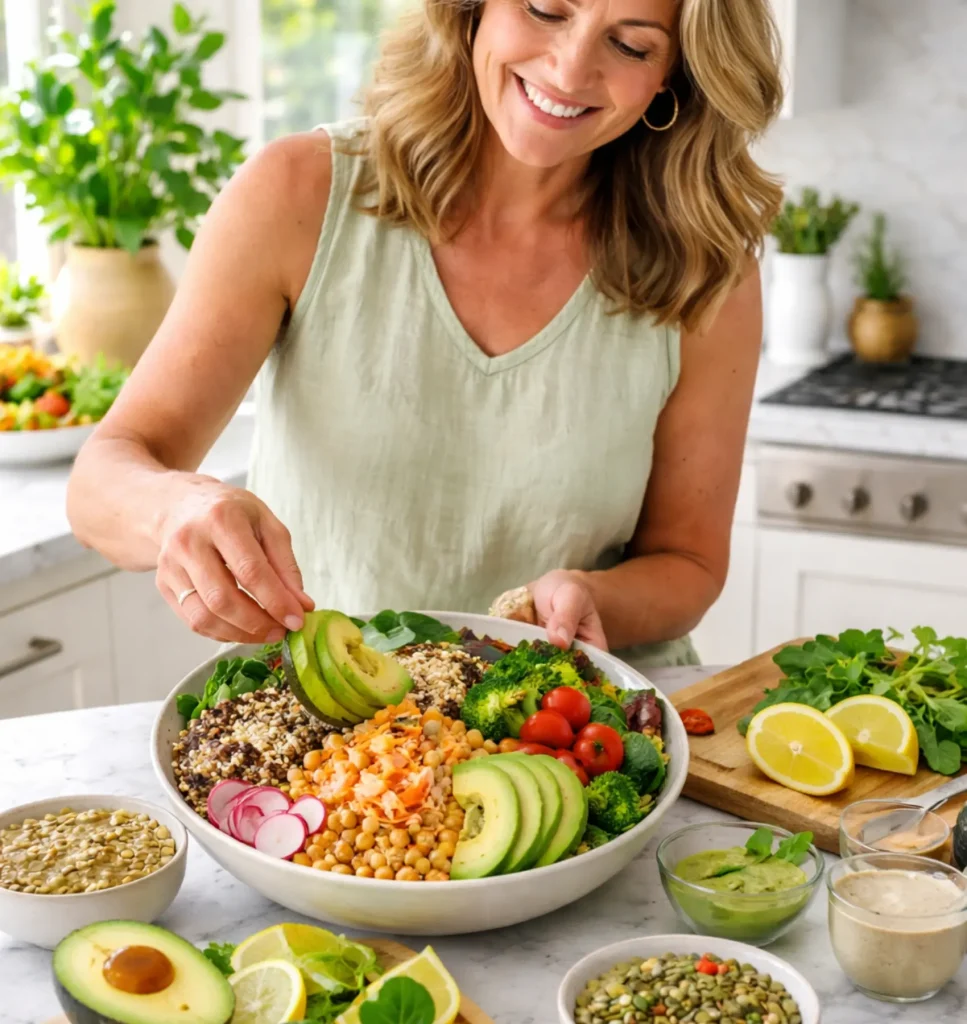
Kale, spinach, Swiss chard, these aren’t just trendy health foods, they’re legitimate hormone helpers. Leafy greens are packed with magnesium, a mineral that’s often depleted in women over 50 and absolutely vital for regulating cortisol and supporting estrogen balance.
Here’s something I didn’t know until recently: magnesium deficiency can actually mimic hormonal imbalance symptoms like anxiety, insomnia, and muscle tension. When I started deliberately adding more greens to my daily routine, I noticed improvements in my sleep quality within just a few weeks.
Aim for at least one generous serving daily. I blend spinach into morning smoothies (you can’t even taste it), add arugula to sandwiches, or sauté kale with garlic as a side dish. California’s farmers markets make this easy with their gorgeous seasonal greens.
5. Quinoa: The blood sugar balancer
Stable blood sugar is absolutely critical for balanced hormones, and quinoa is your secret weapon. Unlike refined grains that spike insulin levels, quinoa provides steady energy while keeping blood sugar in check—increasingly important after 40 when insulin sensitivity naturally declines.
What makes quinoa exceptional is that it’s a complete protein, meaning it contains all nine essential amino acids. This makes it particularly valuable for maintaining muscle mass, which we lose more rapidly during and after menopause.
I use quinoa as a base for Buddha bowls, add it to salads, or even enjoy it as a breakfast porridge with cinnamon and berries. It’s also naturally gluten-free, which can be helpful if you’re sensitive to wheat.
6. Nuts: Portable hormone support
Almonds, walnuts, and Brazil nuts are more than just convenient snacks they’re hormone-supporting powerhouses. Packed with healthy fats, vitamin E, and selenium, nuts help reduce inflammation and support hormone production.
What really impressed me was learning that nuts contain L-arginine, an amino acid that supports natural growth hormone production, helping maintain muscle mass and energy levels. Brazil nuts, in particular, are incredibly rich in selenium, which supports thyroid function; crucial since thyroid issues become more common after 50.
I keep a small container of mixed nuts in my bag for those afternoon energy dips. Just a small handful (about 1 ounce) daily is enough to reap the benefits without overdoing the calories.
7. Cruciferous vegetables: the estrogen regulators
Broccoli, cauliflower, Brussels sprouts, and kale aren’t just nutritious they’re specifically beneficial for estrogen metabolism. These vegetables contain compounds like indole-3-carbinol and sulforaphane that help your liver process and eliminate excess estrogen.
Broccoli sprouts are particularly powerful, containing the highest amounts of sulforaphane, which has been linked by numerous studies to hormonal balance. If you can find them at your local health food store or farmers market, they’re worth adding to salads and wraps.
I try to include at least one serving of cruciferous veggies daily. Roasted Brussels sprouts with balsamic glaze have become a weekly staple in my house, and honestly, they’re delicious enough that it never feels like a chore.
8. Pomegranates: Ancient wisdom for modern women
There’s a reason pomegranates have been celebrated for centuries. These jewel-like fruits contain polyphenols that promote healthy estrogen metabolism and help guard against hormonal imbalances.
Fresh pomegranate seeds (arils) add a delightful crunch to salads, yogurt, or grain bowls. If fresh pomegranates aren’t available, 100% pomegranate juice (without added sugars) is a convenient alternative. I sometimes add a splash to sparkling water for a refreshing, hormone-friendly drink.
The antioxidants in pomegranates also support cardiovascular health, which becomes increasingly important as estrogen’s protective effects on our hearts naturally decline after menopause.
9. Greek Yogurt: Probiotic power for hormone health
Here’s something that surprised me: gut health and hormone balance are deeply interconnected. Greek yogurt, rich in probiotics, supports the gut microbiome, which plays a crucial role in hormone production and balance.
Greek yogurt is also an excellent source of protein (one cup contains about 24 grams), calcium, and vitamin D all essential nutrients for women over 50. The protein helps prevent muscle loss and supports bone density, both of which accelerate during menopause due to declining estrogen levels.
I enjoy Greek yogurt for breakfast with fresh berries, ground flaxseeds, and a drizzle of honey. It’s a perfect hormone-balancing meal that keeps me satisfied for hours.
10. Berries: Sweet support for hormonal harmony
Blueberries, strawberries, raspberries; these colorful gems are loaded with antioxidants that help reduce inflammation and stabilize blood sugar levels, both crucial for cortisol control.
What I love about berries is that they satisfy my sweet tooth while actually supporting my health goals. They’re rich in fiber, which helps regulate estrogen by binding to excess hormones in the gut and allowing them to be eliminated from the body.
Fresh California berries during summer are divine, and frozen berries year-round make it easy to add them to smoothies, oatmeal, or yogurt. Aim for at least a cup daily, your hormones and your taste buds will both be happy.
Building your hormone-balancing plate
Now that you know the superfoods, let’s talk about putting them together. The goal isn’t perfection; it’s consistency and balance. I’ve learned that trying to overhaul everything at once is a recipe for burnout. Instead, start by adding just two or three of these foods to your daily routine.
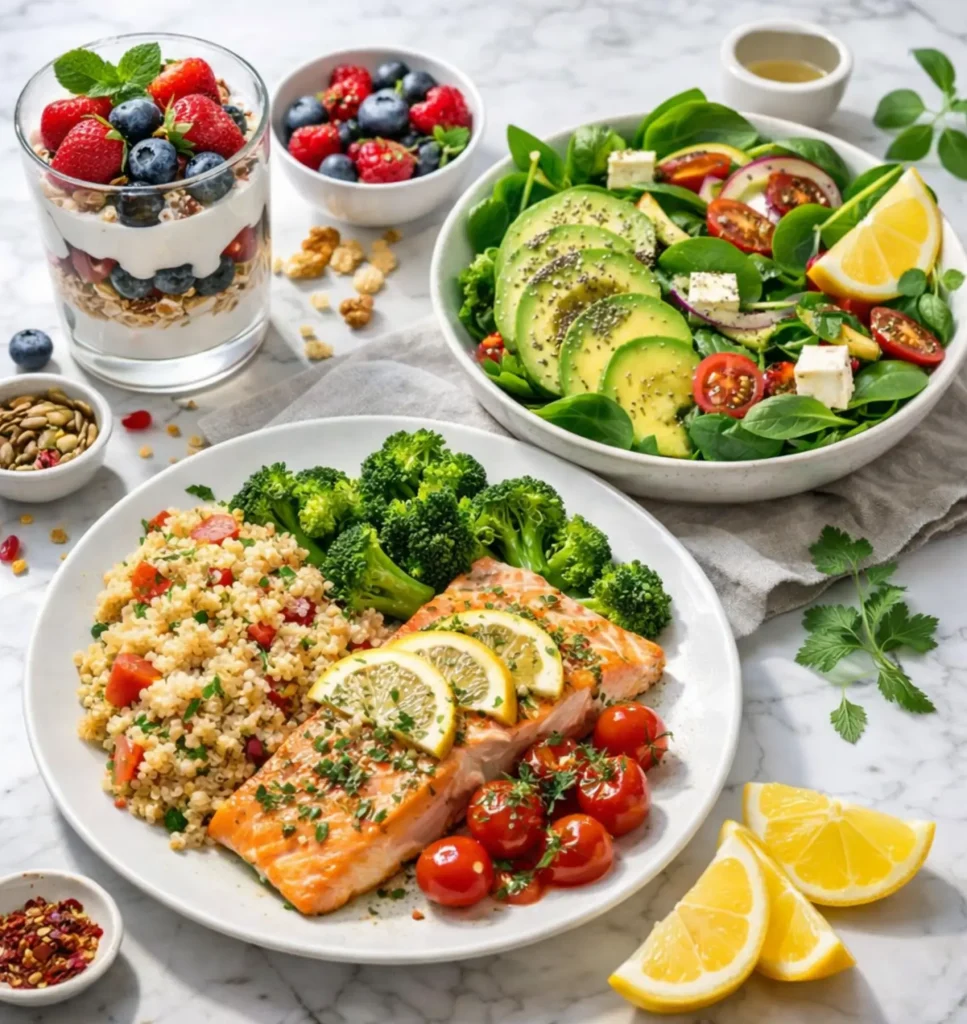
A typical hormone-supporting day for me might look like this: Greek yogurt with berries and ground flaxseeds for breakfast, a big spinach salad with avocado and nuts for lunch, and wild-caught salmon with quinoa and roasted broccoli for dinner. Simple, satisfying, and genuinely effective.
Remember that fiber intake of 25-35 grams daily is essential for hormone balance. Most of these superfoods naturally contribute to that goal. And don’t fear healthy fats—they’re absolutely necessary for hormone production and overall health during this life stage.
What about the 14-day hormone reset?
You might have heard about various hormone reset diets, ranging from 3-day plans to 21-day programs. These structured approaches typically involve eliminating potential hormone disruptors like sugar, alcohol, caffeine, dairy, gluten, and processed foods while emphasizing whole, nutrient-dense options.
While these resets can be helpful for identifying food sensitivities and jumpstarting healthier habits, the real magic happens with sustainable, long-term changes. I’ve found that incorporating these 10 superfoods consistently, rather than following restrictive short-term plans, creates lasting results without the stress of rigid rules.
If you’re interested in trying a structured approach, consult with a qualified doctor or registered dietitian who can personalize recommendations based on your specific health needs and hormone levels. Everyone’s body is different, and what works beautifully for one woman might need adjustment for another.
Beyond Food: The complete picture
While nutrition is foundational, hormone balance after 50 involves more than just what’s on your plate. I’ve learned that quality sleep, regular movement, stress management, and maintaining healthy vitamin D levels all play crucial roles.
Think of these superfoods as part of a holistic approach to thriving in this season of life. When combined with appropriate supplements (after consulting your doctor), adequate hydration, and lifestyle practices that support overall wellness, the results can be genuinely transformative.
I’ve also found that tracking how I feel after incorporating these foods helps me stay motivated. Notice your energy levels, sleep quality, mood stability, and even how your clothes fit. These tangible improvements are far more meaningful than any number on a scale.
Frequently asked questions
Your journey to hormonal harmony
The beauty of this approach is its simplicity. You don’t need expensive supplements, complicated meal plans, or exotic ingredients shipped from halfway around the world. These 10 superfoods to balance hormones naturally after 50 are accessible, affordable, and genuinely effective when consumed consistently.
What I’ve discovered on this journey is that thriving after 50 isn’t about turning back the clock or fighting against our biology. It’s about working with our bodies, providing them with the nutrients they need, and embracing this season of life with wisdom and grace. These hormone supporting foods have become my daily allies, and they’ve made a genuine difference in how I feel physically, mentally, and emotionally.
Start small. Pick two or three foods from this list and commit to incorporating them daily for the next month. Pay attention to how you feel. Notice your energy levels, sleep quality, and overall sense of wellbeing. Then gradually add more of these superfoods as they become natural parts of your routine. Remember, this is about progress and finding what works for your unique body.
Before making any significant dietary changes, especially if you have existing health conditions or take medications, please consult with a qualified doctor or registered dietitian who can provide personalized guidance. What I’m sharing here is based on research and my own experience, not medical advice.
What’s one superfood from this list that you’ll try this week? I’d love to hear about your hormone balancing journey in the comments below.