
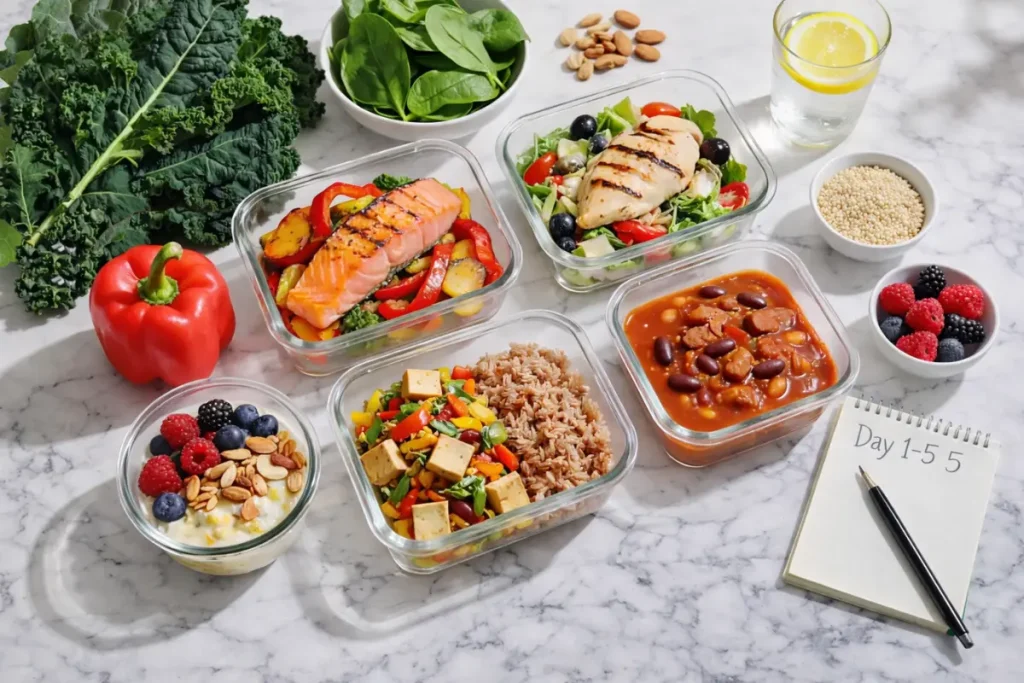
I was standing in my closet last spring, staring at pants that fit perfectly six months earlier, but now they wouldn’t button; I hadn’t changed what I ate, and I still walked every morning, yet somehow I’d gained eight pounds seemingly overnight, all of it settling stubbornly around my middle. When I mentioned it to my doctor, she nodded knowingly and said two words: perimenopause and metabolism. That conversation led me to completely rethink how I approached eating during this life stage, and eventually to developing the menopause diet 5-day plan to lose weight that actually worked for my changing body.
Here’s what I discovered: the eating patterns that kept me at a healthy weight in my 30s and 40s don’t work the same way after 50. Your body has different needs now. The good news is that once you understand what’s happening hormonally and metabolically, you can make strategic food choices that support weight loss rather than fight against your body’s new reality.
Why does weight gain happen during menopause
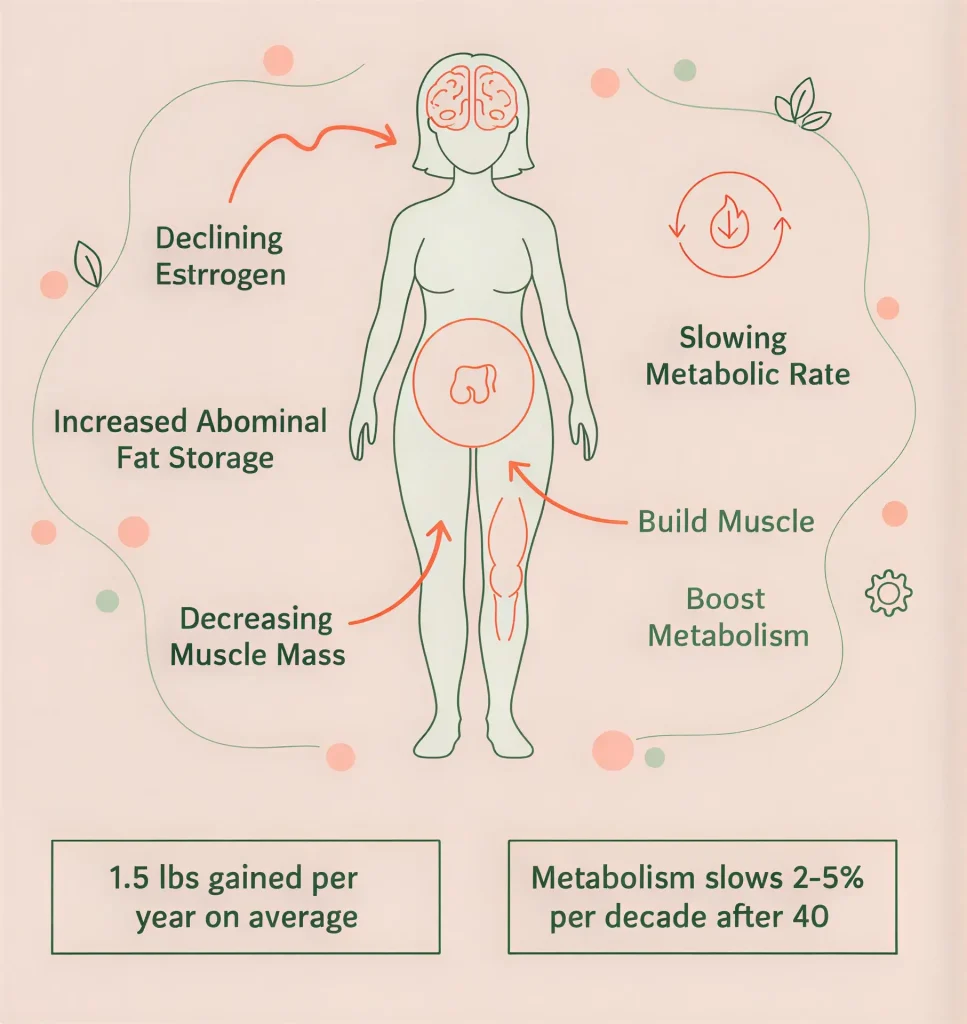
Let me be straight with you about what’s actually happening in your body during this transition. When estrogen levels decline during perimenopause and menopause, it triggers a cascade of metabolic changes. Estrogen plays a crucial role in how your body processes fat and sugar; as it decreases, your metabolic rate slows down, meaning you burn fewer calories at rest than you used to. Research shows that women can gain an average of 1.5 pounds per year during their 50s and 60s, even without changing their eating or activity habits.
But it’s not just about the number on the scale; the declining estrogen also changes where your body stores fat. Instead of depositing it on your hips and thighs like it did when you were younger, your body now preferentially stores fat in your abdominal area. This visceral fat isn’t just cosmetically frustrating; it’s also metabolically active and increases health risks.
Your muscle mass naturally decreases with age, a process called sarcopenia, since muscle burns more calories than fat tissue, losing muscle further slows your metabolism; it’s like a double hit to your body’s ability to maintain weight.
Sleep disruptions from hot flashes and night sweats add another layer of challenge. Poor sleep increases production of ghrelin, the hunger hormone, while decreasing leptin, which signals fullness; you end up hungrier and less satisfied after eating. I noticed this pattern in myself, waking up at 3 AM drenched in sweat, then craving carbs and sugar the next day to compensate for exhaustion.
Understanding these biological realities helped me stop blaming myself for weight gain and start working strategically with my body’s new needs. The menopause diet 5-day plan to lose weight addresses each of these factors through targeted food choices and meal timing.
The core principles of the menopause diet
This eating approach isn’t about extreme restriction or eliminating entire food groups; it’s about choosing foods that support stable blood sugar, preserve muscle mass, and work with your shifting hormones.
Prioritize protein at every meal
Aim for 25-30 grams of protein at each meal. Protein helps preserve muscle mass, keeps you satisfied, and supports stable energy; studies show that higher protein intake is linked to better body composition in postmenopausal women. I noticed that when I started my day with a protein-rich breakfast instead of toast or cereal, I didn’t experience the mid-morning energy crash and cravings that used to derail me.
Good protein sources include eggs, Greek yogurt, fish, chicken, turkey, lean beef, legumes, tofu, and tempeh. If you’re struggling to hit protein targets through food alone, a quality protein powder can help bridge the gap.
Embrace healthy fats
Your body needs fat for hormone production and to absorb fat-soluble vitamins; focus on olive oil, avocados, nuts, seeds, and fatty fish like salmon and sardines. These foods are anti-inflammatory and support heart health, which becomes more important after menopause when estrogen’s protective cardiovascular effects decline.
I added a tablespoon of ground flaxseed to my morning yogurt for omega-3s and fiber; small additions like this make a meaningful difference without requiring dramatic diet overhauls.
Choose fiber-rich carbohydrates
Not all carbs are created equal. Focus on vegetables, fruits, whole grains, and legumes that provide fiber along with nutrients. Fiber keeps you full, supports digestive health, and helps regulate blood sugar. Aim for at least 25-30 grams of fiber daily.
The carbs to limit? Refined grains, sugary foods, and processed snacks spike blood sugar and leave you hungry an hour later. I’m not saying eat them, but they shouldn’t be dietary staples during this phase.
Stay hydrated
Drink plenty of water throughout the day; dehydration can masquerade as hunger and exacerbate symptoms like bloating. I keep a water bottle with me constantly and noticed that staying well-hydrated reduced my hot flash intensity and helped with the constipation that became an issue during perimenopause.
Mind your portions
Because your metabolism has slowed, you likely need fewer calories than you did at 40. This doesn’t mean starving yourself, but it does mean being more mindful about portion sizes, especially of calorie-dense foods like nuts, cheese, and oils.
Your 5-day menopause diet plan
This plan provides structure while remaining flexible enough to fit your life. Each day includes three meals designed to provide balanced nutrition, stable energy, and satisfaction.
Day 1: fresh start
Breakfast: Greek yogurt bowl with mixed berries, ground flaxseed, chopped walnuts, and a drizzle of honey
Lunch: Large salad with grilled chicken, mixed greens, cucumber, tomatoes, avocado, and olive oil-lemon dressing
Snack: Hummus with carrot and bell pepper sticks
Dinner: Baked salmon with roasted Brussels sprouts and quinoa
Why it works: This day emphasizes protein, healthy fats, and fiber while providing plenty of volume to keep you satisfied. The omega-3s from salmon and walnuts support anti-inflammatory processes.
Day 2: mediterranean inspired
Breakfast: Veggie omelet with spinach, tomatoes, and feta cheese, served with a slice of whole-grain toast
Lunch: Lentil soup with a side of mixed green salad
Snack: Apple slices with almond butter
Dinner: Grilled chicken breast with roasted vegetables drizzled with olive oil and a small portion of whole wheat pasta
Why it works: The Mediterranean eating pattern has been shown to help manage menopausal symptoms and support a healthy weight. This day provides plant-based protein from lentils along with lean animal protein.
Day 3: balanced and satisfying
Breakfast: Smoothie made with spinach, frozen berries, protein powder, flaxseed, and unsweetened almond milk
Lunch: Turkey and avocado wrap in a whole-grain tortilla with lettuce and tomato
Snack: Greek yogurt with a handful of almonds
Dinner: Stir-fried tofu with broccoli, bell peppers, snap peas, and brown rice
Why it works: The morning smoothie packs nutrition into an easy format. Tofu provides plant-based protein and contains phytoestrogens that may help ease hot flashes for some women.

Day 4: Comfort Food Reimagined
Breakfast: Oatmeal topped with sliced banana, chia seeds, and a spoonful of peanut butter
Lunch: Grilled vegetable and chicken salad with balsamic vinaigrette
Snack: Edamame (steamed soybeans) sprinkled with sea salt
Dinner: Turkey chili made with beans, tomatoes, and peppers, served with a side salad
Why it works: Oatmeal provides soluble fiber that supports cholesterol management. The bean-based chili is filling and provides both protein and fiber.
Day 5: simple and delicious
Breakfast: Scrambled eggs with sautéed spinach and mushrooms, plus a small portion of berries
Lunch: Tuna salad made with Greek yogurt instead of mayo, served over mixed greens
Snack: A small handful of mixed nuts and dried fruit
Dinner: Baked cod with roasted asparagus and sweet potato
Why it works: This day emphasizes whole foods prepared. The sweet potato provides complex carbs, and the fish offers lean protein and healthy fats.
What to limit or avoid
While the menopause diet 5-day plan to lose weight focuses on what to eat, there are some foods worth limiting.
Sugary foods and drinks
Excess sugar contributes to weight gain, blood sugar instability, and inflammation. I used to have a late afternoon cookie habit that I realized was sabotaging my efforts; when I swapped it for an apple with almond butter, my energy stayed more stable, and I stopped experiencing the 4 PM crash.
Limit sodas, sweetened coffee drinks, baked goods, candy, and other concentrated sources of added sugar.
Alcohol
Alcohol is calorie-dense and can disrupt sleep, which you’re probably already struggling with during menopause. It also may worsen hot flashes in some women. Research shows that limiting alcohol supports better weight management during this transition.
I’m not saying you can never have a glass of wine, but daily drinking makes weight loss significantly harder. I reduced my intake to weekends only and noticed improvements in both my sleep quality and my ability to lose weight.
Processed and fried foods
These foods are typically high in unhealthy fats, sodium, and calories while offering minimal nutrition. They promote inflammation and make it harder to maintain stable blood sugar.
Excessive caffeine
While moderate coffee consumption is fine for most women, too much caffeine can exacerbate anxiety, disrupt sleep, and trigger hot flashes. If you’re sensitive, consider switching some of your coffee for green tea, which provides a gentler caffeine boost plus beneficial antioxidants.
Beyond food: lifestyle factors that matter
The menopause diet 5-day plan to lose weight works best when combined with other healthy habits.
Strength training
Resistance exercise is crucial for preserving muscle mass and boosting metabolism. Aim for at least two sessions per week targeting all major muscle groups. I started with light dumbbells at home and gradually progressed. The difference in how my body looks and feels has been remarkable, even beyond what the scale shows.
Prioritize sleep
Poor sleep sabotages weight loss efforts. Create a cool, dark sleeping environment. Avoid screens before bed. Consider natural approaches like magnesium supplementation or meditation to support better sleep. Talk to your doctor if hot flashes are severely disrupting your rest.
Manage stress
Chronic stress elevates cortisol, which promotes abdominal fat storage. Find stress management techniques that work for you, whether that’s yoga, meditation, time in nature, or activities you enjoy. The mind-body connection is real, and managing stress supports your physical weight loss goals.
Move daily
Beyond structured exercise, increase your general activity level. Take the stairs. Park farther away. Go for evening walks. These small movements add up and support metabolism.
Making it sustainable long-term
A 5-day plan is just the beginning; the real goal is developing eating patterns you can maintain for life.
Meal Prep
Set aside time weekly to prepare components that make healthy eating easier, such as cooking a big batch of quinoa or brown rice, grilling several chicken breasts, and chopping vegetables; having these building blocks ready makes throwing together nutritious meals quick and simple on busy days.
Flexibility Matters
You don’t need to follow the exact plan every single week; use it as a template and adjust based on your preferences, schedule, and availability. The principles matter more than rigidly following specific recipes.
Practice the 80/20 Rule
Aim to eat according to these principles 80 percent of the time, allowing flexibility 20 percent. This approach prevents the deprivation mindset that leads to bingeing and gives you freedom to enjoy special occasions without guilt.
Listen to Your Body
Pay attention to hunger and fullness cues, eat when you’re physically hungry, and stop when satisfied, not stuffed. It sounds simple, but many of us have lost touch with these signals over years of dieting or emotional eating.
Track Your Progress Beyond the Scale
Yes, weight matters, but so do other markers. How do your clothes fit? How’s your energy? Are your cravings more manageable? Is your sleep better? These non-scale victories matter just as much as the number on the scale.
Frequently asked questions
Your path forward
I started this article talking about pants that wouldn’t button, and the frustration that led me to finally listen to my body’s needs during menopause.
The menopause diet 5-day plan to lose weight isn’t about restriction or deprivation. It’s about understanding what your body needs now and choosing foods that support your health, energy, and weight goals during this transition.
You’re not failing because the strategies that worked before no longer work for your body changed, and your approach to eating needs to evolve, too. This plan provides a starting point for discovering what works for your unique body and circumstances.
Weight management during menopause requires more than just diet. Combine this eating plan with regular strength training, stress management, and adequate sleep for the best results. Talk to your doctor if you’re struggling significantly with weight gain or menopausal symptoms. There may be underlying issues or treatments that could help.
Remember that this is a marathon, not a sprint. Small, consistent changes compound over time into meaningful results. Be patient with yourself and celebrate the non-scale victories along the way.
What’s one change from the menopause diet 5-day plan to lose weight that you’ll implement this week? Start there, and build from that foundation.