how to treat dry hair during menopause: Elegant woman over 50 applying hair oil treatment how to treat dry hair during menopause

How to Treat Dry Hair During Menopause Naturally

You run your fingers through your hair and something feels off. It’s drier than it used to be. Maybe a little more brittle at the ends. You’ve been using the same shampoo for years, so what’s different?

The answer isn’t your shampoo. It’s your hormones.

Knowing how to treat dry hair during menopause is one of those things nobody really prepares you for, yet it affects so many women in their 50s and 60s. Hair changes during menopause are real, common, and deeply connected to the hormonal shifts reshaping your body from the inside out.

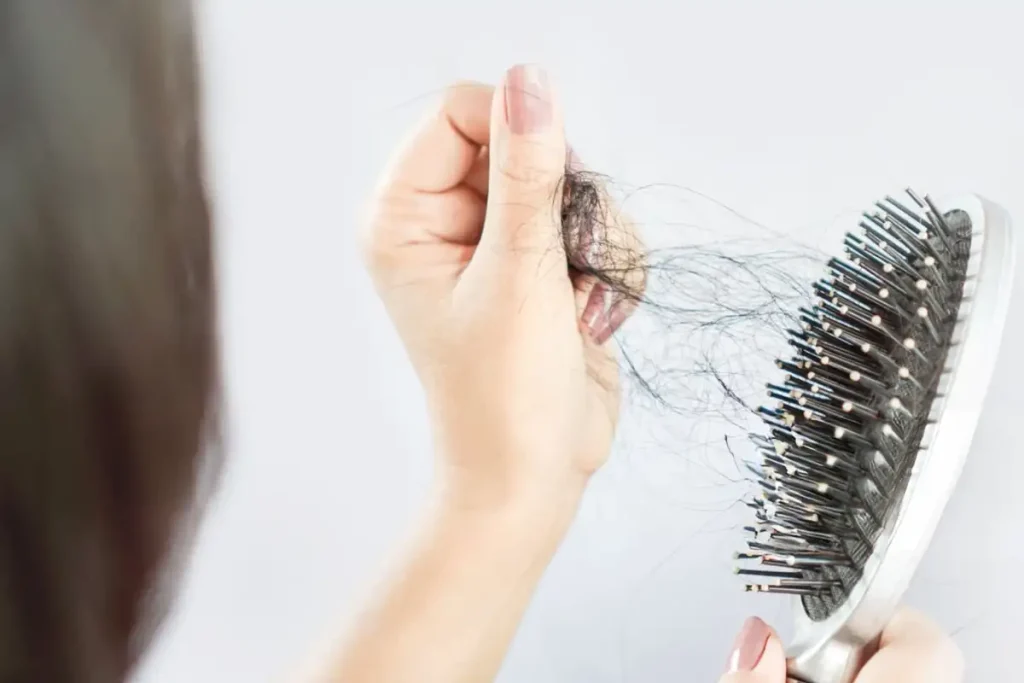
Many women notice their hair becoming drier, thinner, or less vibrant around the same time as other menopausal symptoms. That’s not a coincidence. Estrogen and progesterone both play active roles in hair health, and when they decline, your strands feel it.

The good news is that you have real options. From targeted hair care ingredients and nourishing nutrition to scalp health rituals and lifestyle habits, there are practical, evidence-informed strategies that genuinely make a difference.

This guide covers everything you need to understand what’s happening and exactly what to do about it. Your hair can feel healthy, soft, and beautiful in this season of life. Let’s get there.

Why menopause makes hair dry: the hormone connection

To treat dry hair during menopause effectively, you need to understand what’s actually causing it. And the root cause, as with so much in midlife, is hormonal.

Estrogen and progesterone are your hair’s two most important hormonal allies. Estrogen prolongs the growth phase of the hair cycle, keeps strands thicker, and supports the scalp’s natural oil production. Progesterone helps balance androgens (male hormones present in all women), which can shrink hair follicles when they go unchecked.

When both hormones decline during perimenopause and menopause, several things happen simultaneously. The hair growth cycle shortens. Sebaceous glands in the scalp produce less oil. Strands emerge thinner and more fragile. The scalp itself can become drier and more sensitive.

Androgens become more influential relative to declining estrogen. This hormonal shift can cause the scalp to produce less protective sebum while paradoxically triggering excess oil in some women. The result is often hair that swings between dry, brittle ends and a scalp that doesn’t feel quite right.

Thyroid function also deserves mention here. Thyroid imbalances become more common after 50 and are closely associated with dry, brittle hair. If your hair dryness is significant and accompanied by fatigue, weight changes, or brain fog, a thyroid check with your doctor is absolutely worth requesting.

Understanding this internal picture helps you make smarter choices at every step. For a deeper look at how hormonal changes connect to your overall skin and energy, understanding how menopause affects your skin and daily energy gives you a fuller picture of what your body is navigating.

How to treat dry hair during menopause with the right products

Once you understand what’s happening hormonally, updating your hair care routine becomes much more intentional and much more effective. The products that worked in your 30s and 40s were formulated for different hair. Menopausal hair needs different ingredients and a gentler overall approach.

Start with your shampoo. Sulfate-free formulas are essential for dry menopausal hair. Sulfates are the cleansing agents that create a rich lather but strip the scalp and strands of their natural oils. For hair that’s already dry and fragile, this is exactly the wrong kind of clean. Switch to a moisturizing, sulfate-free shampoo and wash your hair less frequently, two to three times a week at most.

Your conditioner needs an upgrade too. Look for formulas containing these key ingredients:

  • Argan oil or jojoba oil: mimics the scalp’s natural sebum and seals moisture into the hair shaft
  • Keratin: rebuilds the protein structure of damaged, brittle strands
  • Shea butter: deeply moisturizing and softening without weighing fine hair down
  • Hyaluronic acid: increasingly appearing in hair care formulas for its moisture-binding properties
Menopausal hair care routine chart for women over 50 — best treatments for dry hair during menopause
A simple weekly routine built around the right products and habits is all it takes to transform dry menopausal hair over time.

A weekly deep conditioning treatment is non-negotiable for menopausal hair. Look for a hair mask with nourishing oils and proteins. Apply from mid-length to ends, leave on for 10 to 20 minutes under a shower cap, and rinse thoroughly. Do this consistently for four to six weeks and the difference in texture and softness is significant.

Also to treat dry hair during menopause avoid heat styling as much as possible, or use a quality heat protectant spray every single time you use a blow dryer, curling iron, or straightener. Heat is one of the fastest ways to worsen brittleness in already-compromised menopausal hair.

Scalp health: the foundation your hair grows from

Here’s something many women overlook: treating dry hair during menopause starts at the scalp, not the ends. Your scalp is skin. It responds to the same hormonal changes, moisture loss, and barrier disruption as the skin on your face and body. A dry, undernourished scalp produces weak, dry hair at the root.

Regular scalp massage is one of the most accessible and effective things you can do. Massaging the scalp for just five minutes daily, using your fingertips or a silicone scalp brush, increases blood circulation to the hair follicles. Improved circulation delivers more oxygen and nutrients directly to the follicle, supporting stronger, healthier hair growth over time.

Try incorporating a scalp oil treatment once or twice a week. Warm a small amount of jojoba, rosemary-infused, or argan oil in your palms and massage it gently into your scalp. Leave it on for at least 30 minutes, or overnight for a more intensive treatment, before shampooing. Rosemary oil in particular has been studied for its ability to support hair density and reduce shedding.

Avoid products with alcohol high in the ingredient list. Many styling sprays, dry shampoos, and volumizing products contain drying alcohols that compound scalp dryness over time. Check ingredient labels and choose alcohol-free or naturally derived alternatives.

Keep your scalp clean but not over-washed. Washing too frequently strips away the sebum your scalp is already struggling to produce. Washing too infrequently allows product buildup to clog follicles. Finding your personal balance, usually every two to three days, is key to a healthy scalp environment. Building strong daily habits for your whole body begins with understanding how everyday wellness habits support your vitality after 50.

How to treat dry hair during menopause: nutrition for healthy hair

What you eat has a direct and measurable impact on hair health. This becomes particularly true after 50, when both hormonal changes and potential nutritional gaps can compound to affect hair texture, strength, and moisture retention.

Flat-lay of biotin omega-3 and protein-rich foods for menopausal hair how to treat dry hair during menopause
What you eat every day is one of the most powerful hair treatments available. These nutrients work at the follicle level to restore softness, strength, and shine.

Protein is the building block of hair. Hair is made primarily of keratin, a structural protein. If your diet is low in protein, your hair will be among the first places you notice the deficit: increased dryness, breakage, and slower growth. Aim for high-quality protein at every meal through eggs, fish, legumes, Greek yogurt, and lean poultry.

Iron deficiency is one of the most common nutritional causes of hair dryness and loss in women over 50. Even borderline low iron, not necessarily clinically anaemic, can affect hair quality significantly. Good dietary sources include lean red meat, lentils, spinach, and pumpkin seeds. Pair iron-rich foods with vitamin C to improve absorption.

Omega-3 fatty acids nourish the scalp from the inside out, reducing inflammation and supporting the lipid barrier that keeps hair moisturized. Found in fatty fish like salmon, sardines, and mackerel, as well as flaxseeds, chia seeds, and walnuts. If fatty fish isn’t a regular part of your diet, an omega-3 supplement is worth considering.

Biotin, zinc, and B vitamins (particularly B12) all support the hair growth cycle and keratin production. Many women over 50 are low in B12, especially if they eat less meat or take proton pump inhibitors. A comprehensive blood panel can identify any deficiencies that may be contributing to your hair concerns.

Silica, found in oats, cucumbers, and bell peppers, supports hair strength and elasticity. And don’t underestimate hydration: chronically mild dehydration visibly affects hair texture and makes dryness worse. For a complete look at how nutrition supports your hormones, skin, and hair at this life stage, a full nutrition guide for women over 50 brings all of these foundations together in practical, accessible detail.

 How to treat dry hair during menopause: lifestyle habits

Your daily habits play a significant role in how your hair responds to menopausal changes. Some of the most effective strategies for healthier hair cost nothing and take very little time.

Stress management is a genuine hair health strategy. Chronic stress elevates cortisol, which disrupts the hair growth cycle and can trigger a condition called telogen effluvium, where more hairs than usual enter the resting and shedding phase simultaneously. Many women notice significant hair thinning or shedding during highly stressful periods. Daily practices that reduce cortisol, including walking, yoga, breathwork, or simply prioritizing rest, have a measurable protective effect on hair health.

Quality sleep supports hair growth directly. Your body does most of its cellular repair, including hair follicle restoration, during deep sleep. Consistently sleeping less than seven hours disrupts growth hormone release and limits the repair work that happens at the follicle level overnight.

Protect your hair physically. Sleep on a silk or satin pillowcase to reduce friction and moisture loss overnight. Cotton pillowcases are surprisingly harsh on dry, fragile menopausal hair. Avoid tight hairstyles that create tension on already-weakened follicles. And if you swim regularly, protect your hair with a cap or apply a leave-in conditioner before entering chlorinated water.

Limit color treatments and chemical processing where possible. Bleaching, perming, and relaxing all compromise the hair shaft, and menopausal hair has less structural resilience to begin with. If coloring is important to you, choose gentler, ammonia-free formulas and allow adequate time between treatments for your hair to recover.

how to treat dry hair during menopause: supplements worth considering

Food always comes first. But for many women over 50, certain nutritional gaps are difficult to fill through diet alone, and targeted supplementation can make a meaningful, visible difference in hair moisture, strength, and overall condition.

Biotin is the most widely known hair supplement and for good reason. It supports keratin production and is commonly deficient in women experiencing menopausal hair changes. A daily dose of 2,500 to 5,000 mcg is typically recommended, though results take consistent use of at least two to three months to assess.

Collagen peptide supplements have growing clinical support not only for skin but also for hair and nail health. Hydrolyzed collagen provides the amino acids your hair follicles use to produce keratin. Taken daily for eight to twelve weeks, many women report visible improvements in hair texture and reduced breakage.

Evening primrose oil, rich in gamma-linolenic acid (GLA), is particularly well-regarded among women over 50 for supporting hormonal balance and reducing hair dryness linked to estrogen decline.

Vitamin D deficiency is directly linked to hair loss and poor follicle health. Many women over 50 are deficient, and supplementation often produces visible improvements in hair density and condition over time.

A high-quality omega-3 supplement, fish oil or algae-based for those who prefer plant sources, addresses scalp inflammation, supports sebum production, and improves overall hair moisture from the inside.

Always introduce supplements one at a time and allow six to eight weeks before evaluating results. A conversation with your healthcare provider before starting any new supplement routine is always the right first step, especially if you’re already managing other health conditions or medications.

Frequently asked questions:

What is the best treatment for menopause dry hair?

The most effective approach to treat dry hair during menopause combines several strategies at once: switch to a sulfate-free moisturizing shampoo, use a weekly deep conditioning mask, incorporate scalp massage with nourishing oils, and increase omega-3 and protein in your diet. A biotin or collagen peptide supplement used consistently over two to three months can also make a visible difference. No single product works as powerfully as the combination of good hair care, nutrition, and lifestyle habits together.

How do you fix dry hair after 50?

Start by identifying the cause: hormonal changes, nutritional gaps, or hair care habits that no longer serve your hair’s current needs. Switch to gentler, moisturizing products. Add a weekly hair mask. Reduce heat styling. Increase protein, omega-3s, and B vitamins in your diet. Scalp massage twice a week improves circulation to follicles. For most women, consistent application of these combined habits produces noticeable improvement in hair softness and strength within four to eight weeks.

Why is my hair so dry in menopause?

Declining estrogen and progesterone during menopause reduce the scalp’s natural oil production, shorten the hair growth cycle, and make individual strands thinner and more fragile. Your scalp, like the skin on your face, becomes drier and more sensitive as hormone levels fall. At the same time, nutritional needs increase while absorption can decrease, meaning many women develop deficiencies in biotin, iron, or B12 that compound the hormonal effects on hair health.

What hormone deficiency causes dry hair?

Estrogen is the primary hormone linked to hair dryness and thinning. It supports scalp oil production, prolongs the hair growth phase, and keeps strands thicker and more resilient. When estrogen declines during menopause, the scalp produces less sebum and hair emerges dryer and more fragile. Thyroid hormone deficiency is another significant cause of dry, brittle hair and becomes more common after 50. If dryness is severe or accompanied by other symptoms, asking your doctor to check both estrogen and thyroid levels is a sensible step.

Your hair is worth the attention: start today

Learning how to treat dry hair during menopause is part of the larger, deeply worthwhile work of understanding your body in this new season of life. Your hair can be soft, healthy, and beautiful after 50. It simply needs a more informed, more nourishing approach than it did before.

Pick one thing from this guide to try this week. Maybe it’s swapping your shampoo. Maybe it’s adding salmon to your meals twice a week. Maybe it’s five minutes of scalp massage tonight before bed. Small, consistent changes accumulate into real, lasting results. And if your hair loss or dryness feels significant or is causing you distress, please do speak with your doctor or a dermatologist who specializes in hair health. For more practical guidance on living vibrantly and confidently in this chapter, discover how a thoughtful daily skincare and wellness routine supports women after 50. What small step will you try this week?

Leave a Comment

Your email address will not be published. Required fields are marked *

Scroll to Top