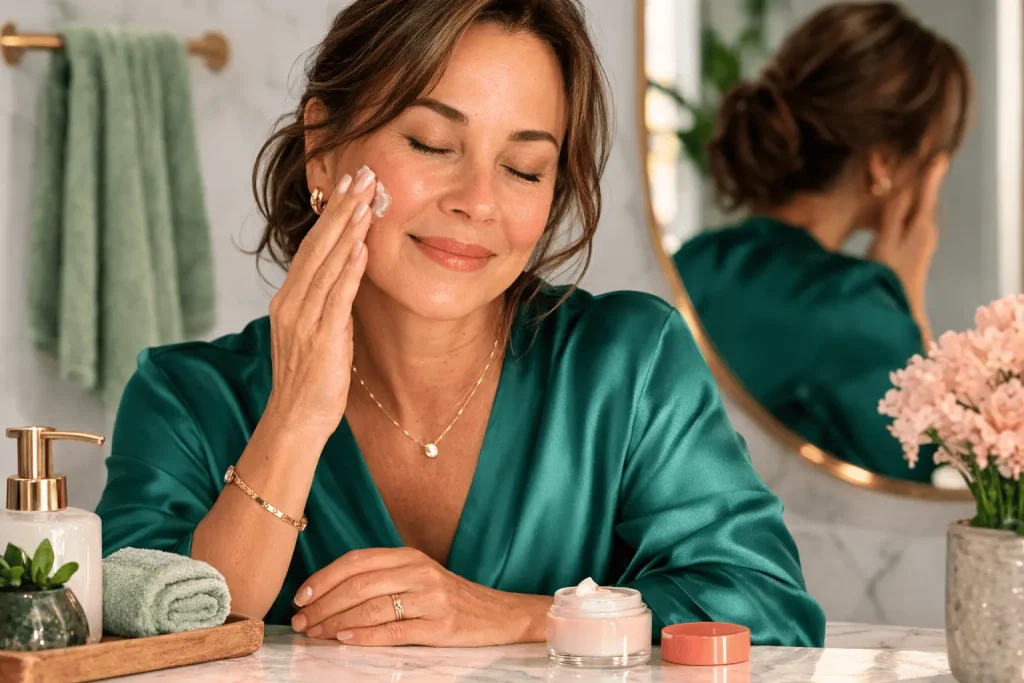
Dry skin after menopause can feel tight, rough, itchy, or uncomfortable even when you moisturize. Hormonal change may contribute, but weather, hot showers, harsh cleansers, active products, medicines, and skin conditions can produce similar symptoms.
The most useful answer to what to do for dry skin after menopause is to repair the barrier first, remove avoidable irritation, and recognize symptoms that need more than cosmetic care.
Why skin may become drier after menopause
Estrogen decline may affect skin hydration, oil production, and barrier function. Aging also changes the skin’s ability to retain water and recover from irritation. These changes vary widely, so dryness alone cannot diagnose low estrogen or a vitamin deficiency.
New dryness can also follow a move to a drier climate, indoor heating, frequent swimming, long hot showers, fragranced products, retinoids, exfoliating acids, or some medicines. Eczema, psoriasis, thyroid disease, diabetes, and other conditions may cause or worsen symptoms.
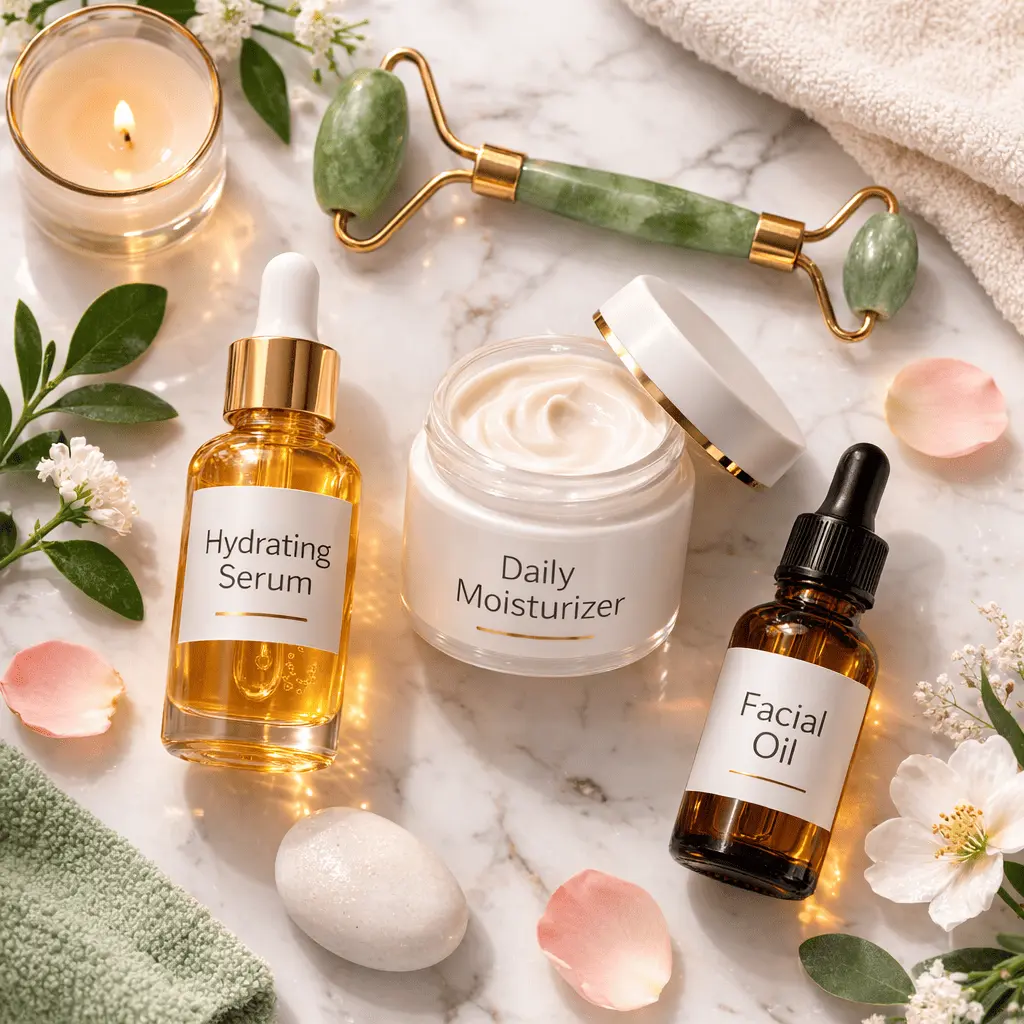
A seven day barrier reset
| Step | What to do | Why it helps |
|---|---|---|
| Cleanse | Use lukewarm water and a gentle fragrance-free cleanser only where needed | Reduces removal of protective lipids |
| Moisturize | Apply cream or ointment within a few minutes of bathing | Traps water before it evaporates |
| Pause irritation | Temporarily stop scrubs and reduce strong actives | Gives the barrier time to settle |
| Protect | Use broad-spectrum sunscreen and protective clothing | Limits ongoing ultraviolet damage |
| Observe | Track itch, rash, cracks, and product reactions | Shows whether dryness is improving or needs assessment |
Choose a moisturizer by function
Humectants such as glycerin attract water. Emollients smooth rough spaces between skin cells. Occlusives such as petrolatum reduce water loss. Many effective creams combine all three. Ointments usually seal better than lotions but may feel heavier.
Apply enough to make the skin comfortable without rubbing aggressively. Reapply to hands after washing and to body areas that become dry during the day. If a product stings repeatedly, stop and simplify rather than adding another active.
Face and body need slightly different handling
- Use a non-foaming or low-foaming facial cleanser if foaming products leave tightness.
- Apply body cream after short lukewarm showers, especially to shins, arms, and hands.
- Use gloves for cleaning and wet work when hand dryness is persistent.
- Choose a bland ointment for cracked lips rather than fragranced or plumping products.
- Reduce fabric softener, fragrance, and rough clothing if they worsen itch.
How to use active ingredients without worsening dryness
Retinol, exfoliating acids, acne treatments, and vitamin C can irritate a weakened barrier. Pause or reduce them during a flare, then reintroduce one at a time after comfort returns. More peeling does not mean a product is working better.
For the complete order of products, use the Skin Care Routine for Women Over 50. For choosing a moisturizer or treatment ingredient, use Skincare Anti Aging Products.
Food water and supplements
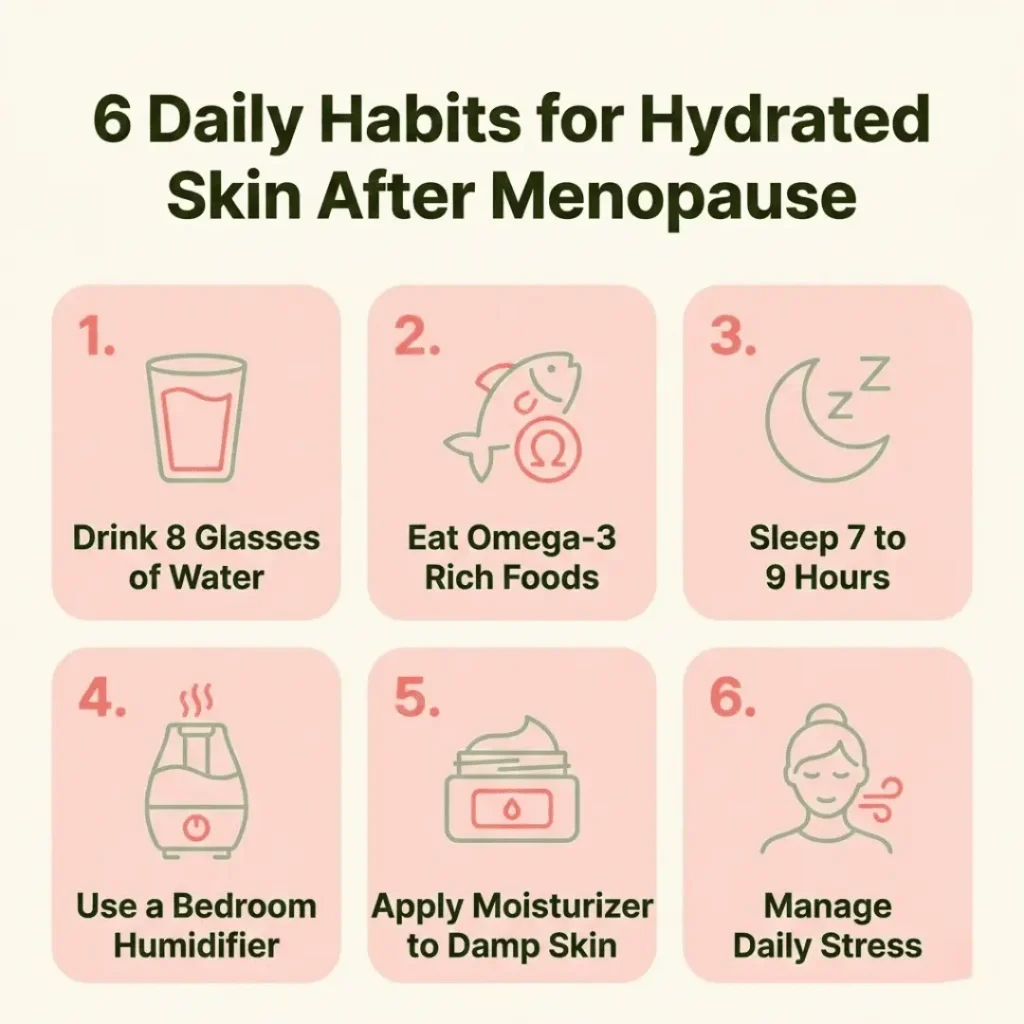
Adequate nutrition and fluids support general health, but drinking extra water does not automatically correct a damaged skin barrier. Drink according to thirst, activity, climate, and medical guidance. Focus on regular meals with adequate protein and varied foods rather than treating dryness with one nutrient.
Do not start collagen, biotin, iron, vitamin D, or vitamin E because your skin feels dry. Dryness cannot identify a deficiency. Supplements may be inappropriate with some conditions or medicines, and excessive intake can cause harm.
When dryness needs medical attention
Arrange assessment when dryness is severe, persistent, interrupts sleep, spreads rapidly, or comes with a clear rash. Seek care for deep cracks, bleeding, warmth, pus, significant swelling, pain, fever, or suspected infection. Sudden generalized itch without an obvious rash also deserves medical review.
A clinician can distinguish ordinary dryness from eczema, contact dermatitis, psoriasis, infection, medication effects, or another health condition. Do not keep layering products onto inflamed skin without knowing what you are treating.
Frequently asked questions
How do I relieve dry skin after menopause?
Use short lukewarm showers, a gentle cleanser, and a cream or ointment applied promptly after bathing. Pause irritating actives and reassess persistent itch or rash.
Does dry skin mean low estrogen?
No. Menopause may contribute, but environment, products, medicines, skin conditions, and other health factors can also cause dryness.
What vitamin am I lacking if my skin is dry?
Dry skin cannot diagnose a vitamin deficiency. Testing and clinical context should guide any supplement plan.
When should I see a dermatologist?
Seek assessment for persistent rash, severe itch, pain, infection signs, bleeding cracks, rapid spread, or symptoms that do not improve with a simple barrier routine.
The bottom line
When deciding what to do for dry skin after menopause, begin with barrier repair and fewer irritants. Use the Skin Changes Hub to understand the wider hormonal and age-related context, and the Skin Care Guide for Women Over 50 for the full cluster.