
You know the feeling. Breakfast felt fine, lunch looked healthy, and then by late afternoon your waistband suddenly feels tighter. Maybe your belly looks fuller than it did that morning, or you feel pressure and gas even though you haven’t eaten a particularly large meal.
That pattern is frustrating, but it is also common enough to deserve a calm, practical explanation. Quick relief from bloating after 50 is usually less about finding one miracle food and more about identifying what is contributing to the pressure on that particular day: meal size, fiber load, constipation, carbonated drinks, eating speed, stress, or a digestive condition that needs attention.
Menopause may be part of the picture for some women, but it is not a complete explanation. Research on gastrointestinal symptoms during peri- and postmenopause is still developing, and bloating can have many causes that are unrelated to hormones. If you want the broader context around digestion, microbiome research, and inflammation, our gut health and inflammation after 50 guide explains what the evidence does and does not show.
What’s actually happening when you feel bloated
Bloating is a sensation of abdominal fullness, pressure, or swelling. Sometimes it comes with visible distension; sometimes it does not. Gas can play a role, but so can constipation, slower movement through the digestive tract, food intolerance, irritable bowel syndrome, and the way your abdominal wall and nervous system respond to normal digestion.
Menopause is being studied as one possible influence on gastrointestinal function. Reviews suggest that sex hormones can interact with gut motility, sensitivity, and the microbiome, but the human evidence is still too limited to say that falling estrogen automatically slows digestion or causes bloating in every woman over 50.
That distinction matters. If your bloating is new, frequent, or getting worse, it is more useful to look at the full pattern than to assume hormones are the only cause.
The high-fiber meal problem
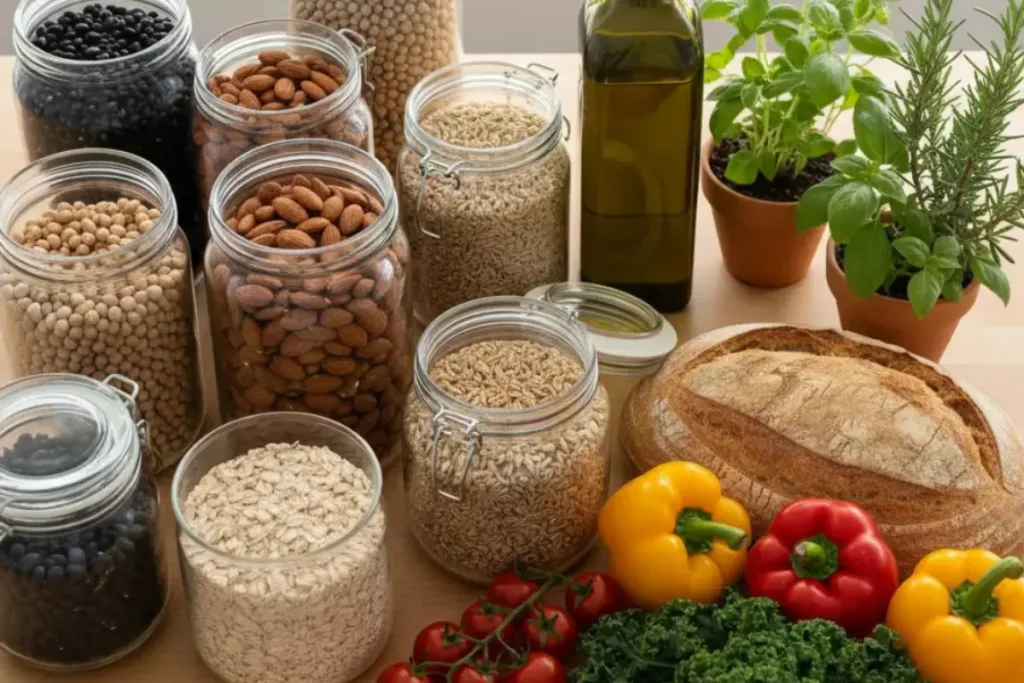
Some of the healthiest foods can also produce more gas, especially when you increase them quickly. Beans, lentils, onions, cabbage, broccoli, large raw salads, and very fiber-heavy smoothies contain carbohydrates and fibers that gut bacteria can ferment.
That does not make these foods “bad” or inflammatory. It simply means the amount, preparation, and timing may matter for your comfort. If a giant raw salad leaves you miserable every afternoon, try a smaller portion, cook some of the vegetables, or spread fiber-rich foods across the day instead of concentrating them in one meal.
Increase fiber gradually rather than trying to overhaul your diet overnight. A sudden jump can temporarily increase gas and bloating even when the long-term dietary pattern is nutritious. For a broader food framework that fits this stage of life, start with our pillar guide on what to eat after 50.
A short walk after eating can be worth trying
You do not need a hard workout after lunch or dinner. A gentle walk is a low-risk habit that may help some people feel more comfortable after a meal and supports regular physical activity overall.
What I would not promise is that walking “pushes gas out” or makes bloating disappear within a set number of days. Bodies vary. Think of a post-meal walk as a simple experiment: ten to twenty minutes at an easy pace, then notice whether you feel better, the same, or worse.
If walking consistently worsens abdominal pain, dizziness, or nausea, that is a reason to stop and look more closely at what is going on rather than forcing the habit.
Water temperature is mostly about comfort
Warm tea or room-temperature water can feel soothing, and some women simply prefer it when they are bloated. But there is not good evidence that avoiding cold water is a reliable treatment for bloating after 50.
Small physiology studies have shown that very hot and very cold drinks can temporarily affect stomach motility, but that is not the same as proving that cold water traps gas or that warm water cures bloating. Hydration matters more than chasing a perfect temperature.

The stress-bloat connection is real, but not simple
Stress can change how strongly you notice digestive sensations and can influence gut-brain signaling, bowel habits, and eating patterns. That is one reason bloating can feel worse during a demanding week even when your meals have not changed much.
A simple pre-meal routine can help: sit down, slow your breathing, put the phone away, and eat at a pace that gives you time to chew. The goal is not to “switch digestion back on” with a five-minute ritual. It is to reduce rushed eating, swallowed air, and the stress that can amplify digestive discomfort.
What can provide quick relief from bloating after 50?
For occasional bloating, start with the least complicated steps. Loosen tight clothing, avoid another very large meal, skip carbonated drinks for the rest of the day, take a gentle walk if you feel well enough, and give your digestive system time. If constipation is part of the pattern, address that separately rather than treating every episode as “gas.”
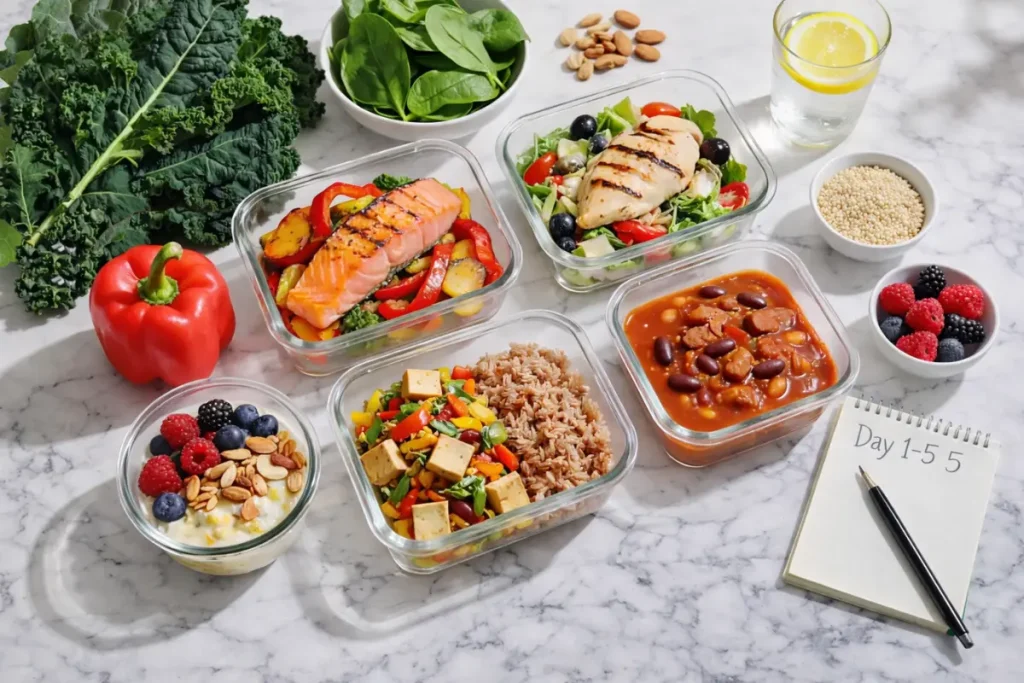
If one food repeatedly triggers symptoms, keep a short food-and-symptom note for a week or two. Patterns are more useful than one-off reactions. Avoid cutting out multiple food groups without a clear reason, because overly restrictive diets can make it harder to meet nutritional needs.
Probiotics are not a universal answer. Some specific strains have evidence for certain gastrointestinal conditions, including some IBS symptoms, but probiotic effects are strain- and condition-specific. If you are considering one, our probiotics for menopause guide explains why the product and the reason for taking it matter.
When bloating deserves medical attention
Occasional bloating is common, but persistent or progressive bloating should not automatically be blamed on age or menopause. Make an appointment if the pattern is new and keeps returning, especially if it comes with unexplained weight loss, blood in the stool, persistent vomiting, fever, significant abdominal pain, anemia, major bowel-habit changes, or steadily increasing abdominal distension.
Even without those red flags, symptoms that interfere with eating, sleep, work, or daily life deserve evaluation. The useful question is not “Is this normal after 50?” but “What is causing this pattern for me?”
Frequently asked questions
Can bloating after 50 ever signal something serious?
Yes, although occasional bloating is common. Persistent or worsening bloating should be evaluated, particularly if it comes with unexplained weight loss, blood in the stool, persistent vomiting, fever, significant abdominal pain, anemia, major bowel-habit changes, or steadily increasing abdominal distension.
Should I try probiotics for bloating?
Possibly, but not every probiotic works for every type of bloating. Evidence is strain- and condition-specific, and some products help certain IBS symptoms while others do not. Choose a probiotic based on the symptom or condition being addressed rather than assuming any multi-strain product will help.
Does sparkling water count toward hydration if I get bloated?
Yes, sparkling water contributes to fluid intake, but the carbonation can increase belching or a sensation of fullness in some people. If it makes your bloating worse, switch to still water for a few days and compare how you feel.
What is the simplest thing to try when afternoon bloating starts?
For occasional bloating, avoid another large meal, skip carbonated drinks, loosen tight clothing, and try a gentle walk if you feel well enough. If the pattern keeps returning, track meals, bowel habits, and symptoms so you can look for a consistent trigger instead of repeatedly treating the symptom alone.
A gentler way to respond to the 4 PM bloat
That late-afternoon pressure does not mean your body is failing you, and it does not automatically mean you need a cleanse, supplement stack, or restrictive diet. Start with the basics: meal size, fiber load, carbonation, constipation, stress, eating speed, and movement.
Quick relief from bloating after 50 should be practical, not dramatic. Small adjustments can make occasional bloating easier to manage. When the symptom becomes frequent, progressive, or disruptive, the next step is not a stricter diet. It is understanding the cause.