The phone rang on Tuesday afternoon, my granddaughter’s trembling voice delivered unexpected news: I was becoming a great-grandmother. That instant when you shift from grandma to great grandma carries significance beyond a new family label. It celebrates a longevity milestone, acknowledging you’ve lived richly and well enough to witness four generations occupying Earth simultaneously. This transition extends beyond adding branches to your family tree; it opens doors to renewed purpose, but calls for intentional energy adjustments and reveals joys that surprisingly few women experience.
What changes from grandma to great grandma
The shift from grandmother to great-grandmother introduces subtle yet profound alterations; your family position transforms, relationship patterns evolve, and your perspective on existence and legacy deepens unexpectedly. Recognizing these modifications helps you approach this chapter deliberately and gracefully.
Physical participation typically diminishes when grandmothering, you might have offered regular childcare, pursued toddlers across playgrounds, or coordinated frequent overnight visits. As a great-grandmother, particularly during your 70s, 80s, or later, your stamina and physical abilities naturally differ. This represents adaptation to present circumstances, not diminishment or inadequacy. Your involvement becomes centered on meaningful presence rather than active supervision.
Emotional distance adjusts slightly, not regarding affection, but concerning intensity. With grandchildren, numerous women experienced residual parenting pressure, especially when furnishing regular care. With great-grandchildren, that burden lightens. You stand further removed from daily choices, discipline matters, and developmental concerns. This separation can actually amplify your pleasure because expectations feel lighter and encounters seem purely celebratory.
Your time perspective becomes increasingly precious. When conscious that fewer years stretch ahead than lie behind, each instant with great-grandchildren carries intensified sweetness. You’re less inclined to postpone connections or delay expressing important sentiments. This consciousness, though touched by awareness, frequently enriches relationships rather than shadowing them. You comprehend viscerally that these instances hold significance.
Family patterns grow more intricate yet potentially richer. You’re now managing relationships spanning four generations, each possessing different requirements, communication preferences, and life phases. Your grandchildren have become parents themselves, which redirects your relationship with them into unfamiliar territory. Observing parents offers unique satisfactions and occasionally demands careful maneuvering to prevent intergenerational tension over contrasting approaches.
Staying vital and engaged across multiple generations
Remaining actively connected with great-grandchildren while honoring stamina limits requires thoughtful equilibrium. You desire meaningful bonds without exhausting yourself. You wish to contribute accumulated wisdom without overstepping. You want a genuine presence without perpetual availability. Achieving this equilibrium sustains both relationships and personal well-being.
Adjust participation to match your capabilities. Perhaps you can’t pursue toddlers anymore, yet you excel at reading stories, teaching handicrafts, or sharing family chronicles. Maybe extended encounters drain you, but briefer, more frequent connections work beautifully. Video conversations allow regular contact without physical demands. Aligning involvement with actual stamina prevents resentment and permits authentic enjoyment.
Emphasize presence over productivity. Great-grandchildren don’t require elaborate activities or constant entertainment. They gain enormously simply from your calm, unhurried attention. Sitting together, conversing, examining old photographs, and hearing your stories about their parents and grandparents as children, these quiet instances create lasting impressions and transmit family identity across generations.
Preserve your individual life and interests. Continuing pursuits bringing you joy, sustaining friendships, and pursuing hobbies keep you vibrant and engaged. Great-grandchildren benefit from seeing you as a complete person with passions and purposes that extend beyond family. Your demonstration of engaged aging teaches them that existence remains abundant and meaningful at every phase.
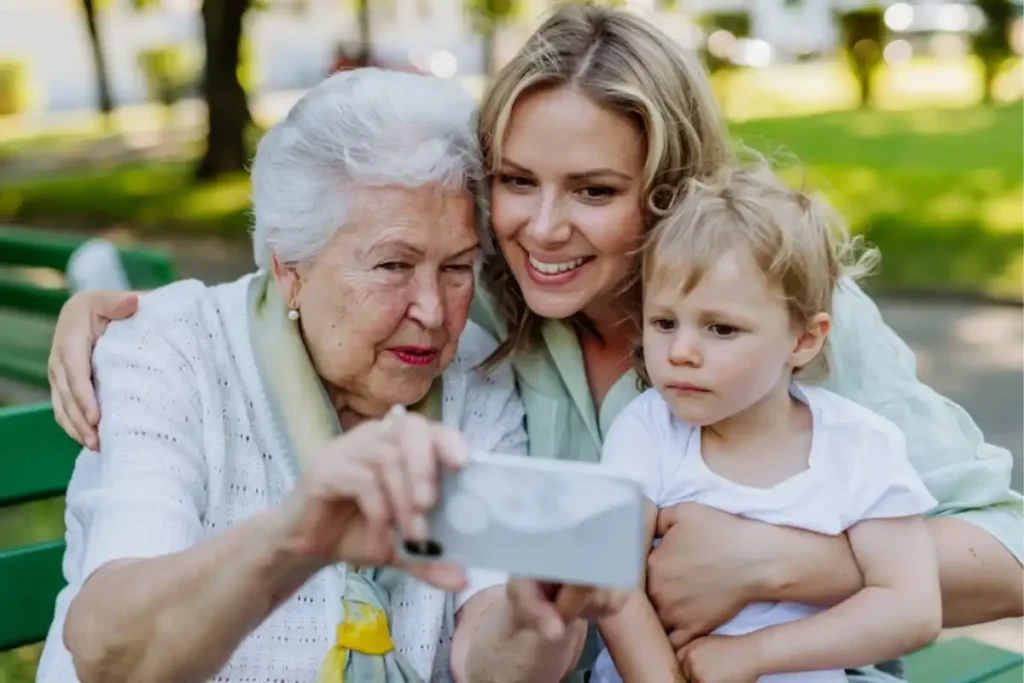
Technology can overcome physical constraints. When mobility challenges or distance prevent frequent in-person encounters, video conversations, photo exchanges, and even straightforward text messages sustain connections. Numerous great-grandmothers initially resist technology yet discover it’s a lifeline to family. The investment in acquiring new communication tools pays dividends in relationship preservation and reduces isolation. Embracing tools supporting mental engagement benefits both connection and cognitive wellness.

The physical and emotional realities of great-grandmotherhood
Honest acknowledgment of aging’s actualities allows joyful participation rather than struggling against inevitable transformations. Great-grandmotherhood typically arrives with age-related shifts in stamina, wellness, and capability. Working with rather than resisting these changes creates sustainable involvement.
Stamina management becomes essential. You might experience wonderful days followed by days of complete rest. This unpredictability can frustrate you and complicate planning. Communicate openly with family about your variable energy. They cannot accommodate requirements they don’t understand. Saying “I’d love to visit, but I’ll need to depart by 2 PM for rest” establishes realistic expectations rather than disappointment.
Hearing and vision modifications affect interactions. Noisy environments with multiple conversations might overwhelm you. Dim lighting complicates seeing little faces. These aren’t character deficiencies or sources of shame. They’re actualities that families can work around. Perhaps quieter, smaller gatherings suit you better now. Maybe adequate lighting and hearing devices allow fuller participation. Adjustments enable connection rather than limiting it.
Mobility considerations influence engagement methods. Descending to the floor for play might be impossible, yet patting the couch beside you for cuddle time works beautifully. Walking long distances may challenge you, yet sitting in the park observing them play provides a joyful connection. Accepting modifications allows participation without injury or excessive exhaustion.
Emotional resilience fluctuates with age and circumstances. Some days, family gatherings delight you. Other days, it drains you quickly. Both responses are valid. Honoring your emotional capacity daily, rather than forcing yourself to match your younger self’s tolerance, protects both mental wellness and relationships. When you appear authentically rather than pretending, everyone benefits from genuine rather than forced engagement. Prioritizing self-awareness strengthens your ability to contribute meaningfully.
Grandma to great grandma: navigating your evolving family role
Your family structure shifts when becoming a great-grandmother. You’re now the matriarch spanning four generations, which carries both privileges and potential complications. Understanding your evolving position helps you contribute wisdom while respecting limits and avoiding overreach.
You’re the guardian of family chronicles and narratives. Few people in your great-grandchildren’s lives remember events from seven or eight decades past. Your memories of their great-great-grandparents, historical events you witnessed, and origins, these narratives ground younger generations in their heritage. Sharing these accounts when appropriate creates invaluable connections to the past.
Respect the generational hierarchy. Your grandchildren are now parents with their own parenting philosophies. Their methods might differ dramatically from how you raised children or how they were raised. Unless children see genuine danger, and respect their parental authority. Offering unsolicited counsel strains relationships. When asked for input, share experiences and wisdom while acknowledging that every generation parents differently with the knowledge available to them.
Establish clear limits around expectations and availability. Well-meaning family members might assume you’re perpetually available for gatherings or that you’ll automatically attend every event. Sometimes you will; sometimes your stamina, wellness, or other commitments take priority. Communicating your constraints kindly yet firmly prevents resentment from accumulating, and you can love your family deeply while also honoring your own requirements.
Navigate sibling patterns among your grandchildren with care. Now that your grandchildren have children, you’re managing relationships across horizontal and vertical family lines. Perceived favoritism, whether intentional or accidental, creates lasting hurts; being mindful of equal attention, remembering birthdays, and showing interest in all your great-grandchildren’s lives, family harmony, and demonstrating fairness.
Accept that you won’t be central to daily existence. When actively parenting or even grandparenting younger children, you likely played a more regular, involved role. As a great-grandmother, especially with healthy family relationships, you remain important yet peripheral to daily operations. This shift can feel like loss or relief, often both simultaneously. Accepting your changed position with grace allows connections without demanding center stage.
Wellness practices that support great-grandmothering
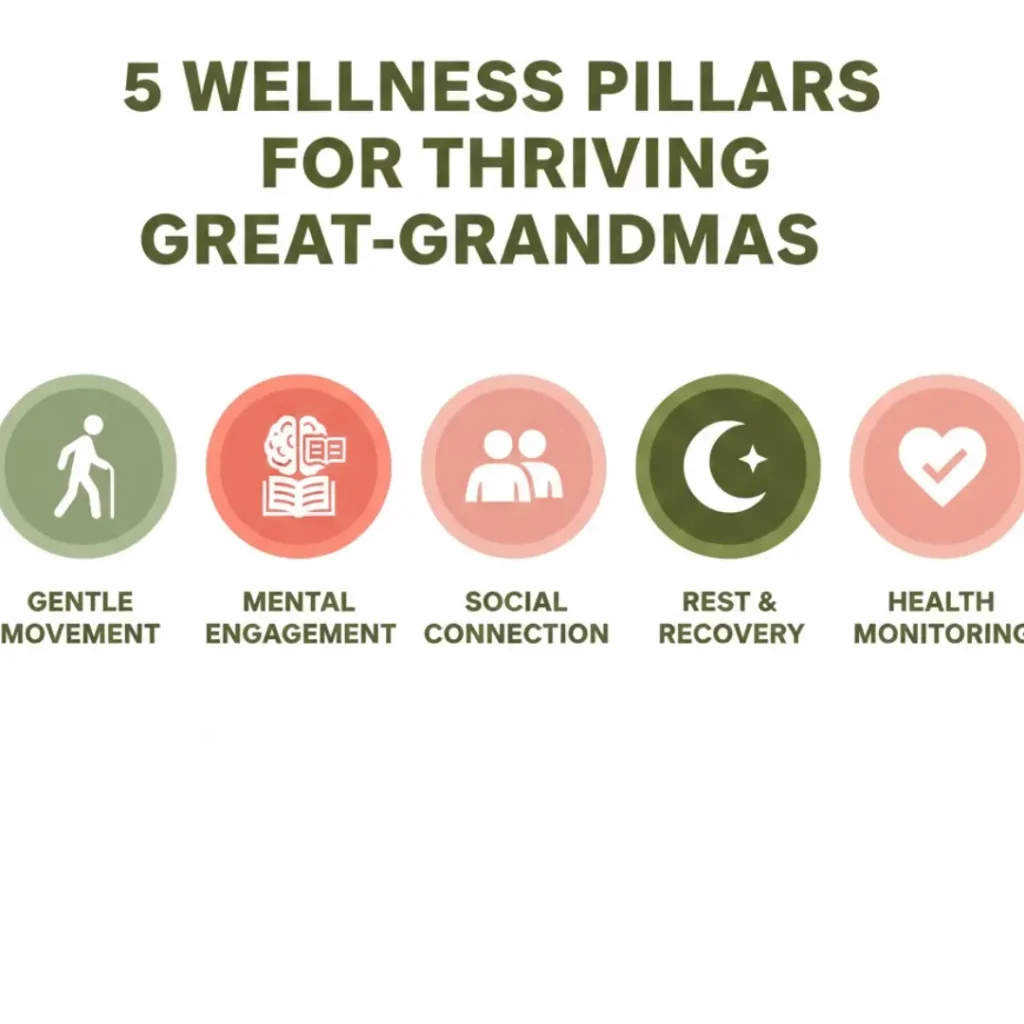
Preserving your wellness and vitality directly influences your ability to enjoy great-grandchildren and participate meaningfully in their lives; the wellness practices, longevity, and quality become even more crucial as you approach this life phase. Small, consistent habits make substantial differences.
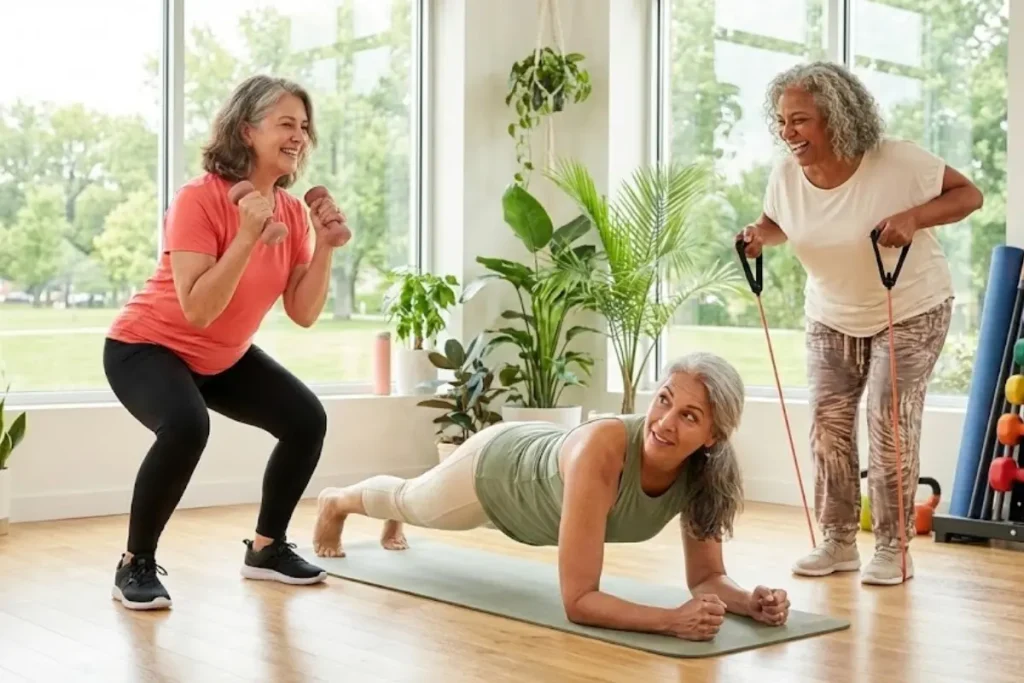
Prioritize mobility and strength preservation. Even gentle movement matters enormously. Regular walking, chair exercises, or activities like tai chi or gentle yoga help preserve mobility and engagement; you don’t require intense workouts. Consistent, moderate activity prevents the rapid decline that can quickly restrict independence and participation; physical capability directly affects your capacity for great-grandchildren.
Cognitive engagement protects mental sharpness. Acquiring new skills, whether technology for connecting with family, puzzles, reading, or new abilities, keeps your mind active and engaged; mental clarity allows conversations, remembering names and details, and preserves the wit and wisdom, making you engaging to younger generations. Your mind deserves the same intentional care as your body, and the two profoundly influence each other.
Social connection beyond family prevents isolation. While family relationships matter deeply, sustaining friendships with peers provides essential support and perspective. Friends who share similar life experiences understand your joys and challenges in ways younger family members cannot. These connections protect against loneliness and provide emotional sustenance that family alone cannot fully supply. Cultivating meaningful connections across your life enriches every relationship.
Adequate rest enables enjoyment; the exhaustion accompanying aging isn’t weakness, it’s reality. Ensuring sufficient sleep, taking rest breaks when needed, and avoiding overscheduling yourself, allowing genuine presence with great-grandchildren, appearing exhausted and depleted benefits no one; appearing rested and engaged, even if less frequently, creates superior experiences for everyone.
Regular wellness monitoring catches issues early, staying current with medical checkups, vision and hearing assessments, and addressing wellness concerns promptly protects your longevity. You want to remain as healthy as possible for as long as possible, both for yourself and to maximize your time with growing great-grandchildren. Preventive care and prompt attention to problems support this goal.
The unique joys and legacy of great-grandmotherhood
Beyond the challenges and adjustments, great-grandmotherhood offers profound satisfactions unavailable at earlier life stages. These unique rewards make the position precious and meaningful in ways difficult to articulate yet deeply felt by those privileged to experience them.
Witnessing the continuation of your legacy creates powerful emotions. Seeing characteristics, gestures, or traits from your children or even yourself appearing in great-grandchildren provides tangible evidence that part of you continues forward. This isn’t about literal immortality but about the profound human desire for connection and continuity. You’ve influenced not just your children but ripples extending through generations you might never meet.
Perspective and wisdom deepen remarkably. Having lived through so much, weathered countless challenges, and accumulated seven or eight decades of experience gives you insights that younger generations haven’t yet accessed. You understand in your bones that most problems pass, that love outlasts conflict, and that small instances matter most. Sharing this perspective, when invited, offers genuine gifts to younger family members, addressing their own struggles.
The pressure lifts while love remains. Unlike parenting or even primary grandparenting, great-grandmothering typically comes without heavy responsibility. You’re not making crucial developmental decisions or bearing financial weight. You get to love freely without burden. This lightness allows pure enjoyment of relationships in ways earlier positions sometimes couldn’t accommodate.
Gratitude intensifies for time itself. Every birthday, every visit, every new photo carries heightened appreciation because you understand how precious and unpredictable existence is. This gratitude doesn’t stem from morbidity but from realistic awareness that your time is finite. Rather than darkening experiences, this awareness often illuminates them with special significance and presence.
You demonstrate aging with grace and vitality. How you approach this stage teaches younger generations what’s possible. When you remain engaged, curious, loving, and purposeful despite physical constraints or wellness challenges, you challenge ageist assumptions and expand their vision of what aging can look like. Your example matters more than you might realize. Living fully while embracing your current season benefits everyone observing your journey.
Practical tips for thriving as a great-grandma
Translating the philosophy of engaged great-grandmothering into daily practice requires concrete strategies. These practical approaches help you participate joyfully while honoring constraints and preserving the limits protecting your well-being and the quality of your involvement.
Create traditions matching your capacity. Perhaps you can’t host large holiday gatherings anymore, yet you could start a tradition of special one-on-one tea times with each great-grandchild when they reach a certain age; maybe you record audio or video messages, or favorite family stories. Or you establish a ritual of sending birthday cards with a special note. Traditions don’t require physical exertion to carry meaning and create lasting memories.
Communicate your preferences and requirements clearly. If afternoon visits work better than evening ones because you tire as the day progresses, say so. If you prefer shorter, more frequent interactions to extended visits, express that preference. If certain activities exhaust you while others energize you, share this information. Your family desires you to enjoy time together, yet they need your guidance about what that looks like now.
Document and share your wisdom intentionally; consider writing letters to each great-grandchild to be opened at significant milestones, and record your voice telling your favorite family stories, create photo albums with your narration explaining who people are and sharing memories. These tangible expressions of love and chronicles become treasured possessions long after you’re gone and require minimal physical stamina to create.
Accept assistance gracefully. If family members offer to drive you to events, bring meals, or assist with preparations, accept rather than insisting on managing everything yourself. Allowing others to support you isn’t a weakness or burden. It’s creating opportunities for them to demonstrate love while conserving your stamina for the connections that matter most. Interdependence strengthens relationships rather than diminishing them.
Celebrate the milestone authentically. Becoming a great-grandmother deserves recognition and joy. Don’t diminish this accomplishment by focusing only on feeling old. You’ve lived long enough to witness four generations. You’ve accumulated decades of wisdom. You’ve loved and been loved across multiple generations. These actualities deserve celebration, not apology or embarrassment about aging.
Common questions about becoming a great-grandma
Celebrating the gift of longevity
The journey from grandma to great grandma represents a remarkable accomplishment in longevity and family continuity; you’ve lived long enough and loved deeply enough to see your influence ripple across four generations. This milestone deserves celebration rather than dismissal as simply getting older; every instant with great-grandchildren is a gift, to them and to you.
Your participation in their lives matters profoundly, regardless of its frequency or form. The narratives you share, the love you offer, the wisdom you’ve accumulated across decades, these contributions shape who they become, even if they don’t realize it until much later. You don’t need to be physically active or constantly available to make lasting impressions; your presence, in whatever form your current capacity allows, carries weight and meaning for additional perspectives on embracing this extraordinary life stage with grace and vitality. Explore approaches honoring both your constraints and your gifts.
As you approach this position, remember that caring for yourself isn’t selfish. It’s essential. Your well-being enables the sustained involvement, allowing you to witness more milestones, share more memories, and create more connections. Consult with healthcare providers about preserving your wellness, communicate openly with family about your requirements and capacities, and embrace this chapter with the wisdom only decades of living can provide. How will you celebrate becoming a great-grandmother while honoring who you are at this beautiful, hard-earned stage of existence?
For broader guidance on this topic, explore our healthy aging after 50 hub.
For related context, see identity, purpose & social life after 50.