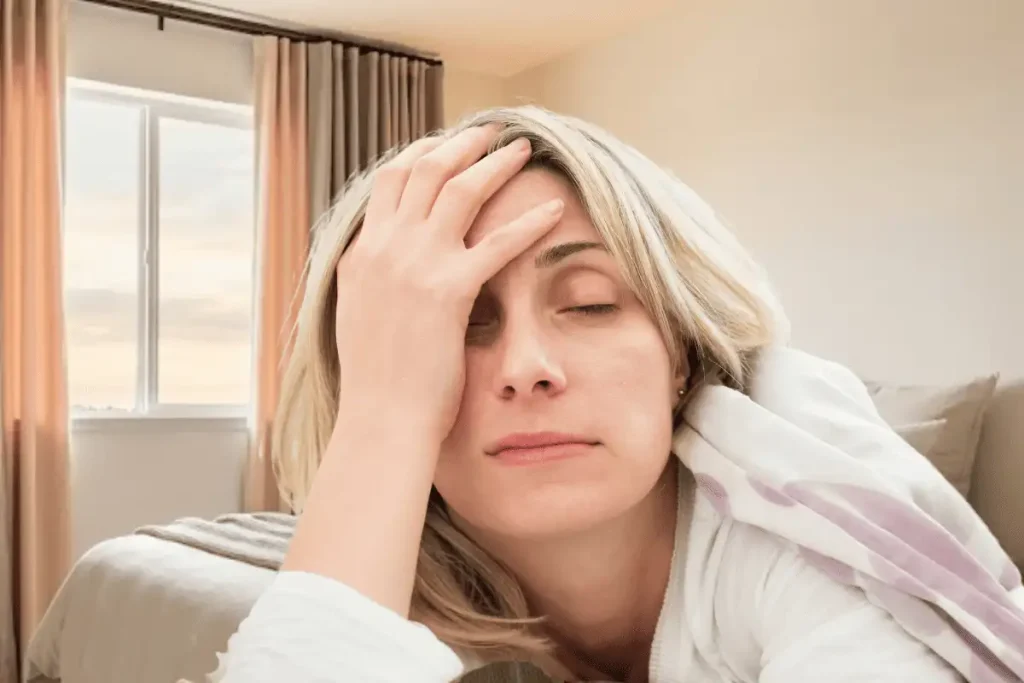
Sleep can feel noticeably different after 50. You may fall asleep as usual but wake more often, become sleepy earlier in the evening, wake earlier in the morning, or find that a full night no longer feels as restorative as it once did.
These changes do not have one universal explanation. Age-related shifts in sleep architecture and circadian timing can contribute, while health conditions, medications, menopause symptoms, stress, pain, breathing problems, and everyday routines may also affect sleep. The useful question is not whether poor sleep is simply “normal aging,” but which pattern you are experiencing and whether anything else needs attention.
This article focuses on why sleep problems increase after age 50. It explains the patterns and contributing factors rather than giving you a complete sleep-improvement program.
Quick Answer: Why Do Sleep Problems Increase After Age 50?
Sleep often changes with age because the amount and timing of different sleep stages can shift, and the body’s internal clock may move earlier. At the same time, sleep can be disrupted by factors that become more relevant in midlife and later life, including menopause symptoms, medical conditions, pain, medications, stress, nighttime urination, and sleep disorders. Aging can change sleep, but persistent poor sleep should not automatically be dismissed as an unavoidable part of getting older.
How Sleep Architecture Can Change With Age
Sleep is not one continuous state. During the night, the brain cycles through different stages of non-REM and REM sleep. The distribution of these stages can change across adulthood. Older adults may experience lighter or more fragmented sleep and spend less time in some deeper stages than younger adults.
That helps explain why two nights with the same number of hours in bed can feel very different. Total sleep time matters, but so do continuity, awakenings, breathing, comfort, and how refreshed you feel the next day.
Frequent or prolonged awakenings are not something you have to accept simply because you are over 50. If they are new, persistent, worsening, or affecting daytime function, it is worth looking for contributing factors rather than assuming age is the whole explanation.
Why Your Sleep and Wake Times May Shift Earlier
Another pattern some adults notice is becoming sleepy earlier in the evening and waking earlier in the morning. Age-related changes in circadian timing can contribute to this shift, although individual patterns vary.
An earlier schedule is not automatically a sleep problem. It becomes more relevant when your sleep timing conflicts with your daily life, when you cannot get enough sleep, or when early waking is persistent and distressing. The pattern matters more than the clock time alone.
Menopause Can Add Another Layer to Sleep Disruption
For women, the menopause transition can overlap with age-related sleep changes. Hot flashes, night sweats, mood symptoms, and other menopause-related changes may disrupt sleep for some women. That does not mean every sleep problem after 50 is caused by hormones, and symptoms alone cannot identify a single cause.
If your sleep disruption is specifically connected with the menopause transition, that narrower pattern belongs in Lonage’s menopause coverage rather than being treated as the explanation for every case of poor sleep after 50.
Health Conditions, Pain, and Medications Can Affect Sleep
Sometimes the important change is not sleep itself but something that interrupts it. Pain, breathing problems, reflux, urinary symptoms, mood disorders, and other health conditions can interfere with sleep. Some medicines may also affect alertness, sleep timing, nighttime symptoms, or daytime sleepiness.
Do not stop or change a prescribed medicine because you suspect it is affecting your sleep. If the timing of a sleep problem matches a new medicine, dose change, or new symptom, record the pattern and discuss it with a pharmacist or clinician.
Stress and Mental Load Can Make Sleep More Fragile
Sleep problems after 50 are not exclusively biological. Caregiving, work, finances, health concerns, grief, relationship changes, and other responsibilities can make it harder to settle at night or return to sleep after an awakening.
The key distinction is that stress is one possible contributor, not a diagnosis. If poor sleep repeatedly appears during demanding periods, that pattern is useful information. If it persists when the stressful period passes, other contributors may also need consideration.
Why Nighttime Awakenings May Become More Noticeable
Brief awakenings can occur during normal sleep, and some people notice them more as sleep becomes lighter or more fragmented. What matters clinically is not a particular clock time such as 2 AM or 3 AM, but how often you wake, why you may be waking, whether you can return to sleep, and how the pattern affects you during the day.
Repeated awakenings may have many contributors, including discomfort, temperature, noise, hot flashes, urinary symptoms, stress, breathing-related sleep problems, or other health issues. A recurring 3 AM awakening should therefore not be assigned one universal hormonal or sleep-cycle explanation.
Daily Habits and the Sleep Environment Still Matter
Age-related changes do not make daily habits irrelevant. Irregular schedules, late caffeine, alcohol, stimulating evening activities, light exposure, noise, and an uncomfortable bedroom can all influence sleep. In this article, however, they are contributing factors rather than a full treatment plan.
The same boundary applies to bedroom temperature and evening screens. They can matter, but detailed strategies belong in the Sleep Hub and its focused supporting guides rather than being repeated here.
A Simple Pattern Check Before You Blame Age
| What you notice | What it may tell you | What deserves more attention |
|---|---|---|
| You become sleepy and wake earlier than before | Your sleep timing may have shifted | Whether you still get enough sleep and function well during the day |
| You wake repeatedly during the night | Sleep may be more fragmented, but age is not the only possible factor | Pain, hot flashes, urinary symptoms, breathing problems, medications, stress, or other contributors |
| You spend enough time in bed but wake unrefreshed | Sleep duration may not reflect sleep quality | Persistent daytime sleepiness, loud snoring, breathing pauses, or other symptoms |
| Poor sleep began with a new symptom or medication change | The timing may provide a useful clue | Discuss the pattern with an appropriate healthcare professional |
| Sleep worsens during stressful periods | Mental load may be contributing | Whether the problem improves when the stress eases or continues independently |
When Sleep Problems After 50 Deserve Medical Assessment
Consider medical advice when sleep problems are persistent, worsening, substantially different from your previous pattern, or affecting concentration, mood, safety, or normal daytime activities. Evaluation is particularly important when poor sleep occurs with loud snoring, witnessed breathing pauses, gasping during sleep, marked daytime sleepiness, persistent pain, significant mood changes, or other new symptoms.
Seek prompt medical care for severe or rapidly worsening symptoms or when sleep-related problems occur alongside symptoms that may require urgent assessment. A sleep problem should not be managed only as a lifestyle issue when the overall symptom pattern suggests something more.
Understanding the Cause Comes Before Choosing the Fix
Knowing why sleep may be changing helps you avoid two common mistakes: assuming every problem is simply aging, or trying a long list of sleep tips without identifying the pattern first. Once you have a clearer picture of what is happening, use Lonage’s step-by-step guide to improving sleep naturally after 50 to build a practical plan around schedule, light, bedroom comfort, caffeine, movement, and your evening routine.
Frequently Asked Questions
Why does sleep change after age 50?
Sleep can change after 50 because sleep architecture and circadian timing may shift with age. Menopause symptoms, medical conditions, pain, medications, stress, breathing problems, and daily routines can also affect sleep, so age should not automatically be treated as the only cause.
Does sleep become lighter as you get older?
Sleep patterns can become lighter or more fragmented across adulthood, and some people spend less time in certain deeper sleep stages. Individual experiences vary, and persistent poor sleep should not simply be dismissed as normal aging.
Why do I wake up more often at night after 50?
Nighttime awakenings can have several contributors, including lighter or more fragmented sleep, discomfort, temperature, hot flashes, urinary symptoms, stress, noise, medications, or breathing-related sleep problems. The timing of an awakening alone does not identify its cause.
Is waking up very early after 50 always normal?
No. Some adults experience an earlier sleep-wake schedule as they age, but early waking is not automatically harmless or inevitable. It deserves closer attention when it prevents adequate sleep, is persistent or distressing, or occurs with other symptoms.
When should sleep problems after 50 be medically evaluated?
Consider medical assessment when sleep problems are persistent, worsening, substantially different from your previous pattern, or affecting daytime function. Loud snoring, witnessed breathing pauses, gasping during sleep, marked daytime sleepiness, persistent pain, significant mood changes, or other new symptoms are additional reasons to seek professional advice.
The Bottom Line
Sleep can change after 50, but “getting older” is not a complete explanation for every restless night. Changes in sleep stages and timing can overlap with menopause symptoms, health conditions, medications, stress, pain, breathing problems, and everyday influences. Identify the pattern first; then choose solutions that fit the problem rather than treating all sleep difficulties the same way.
This article is for general education and does not replace individualized medical advice, diagnosis, or treatment.