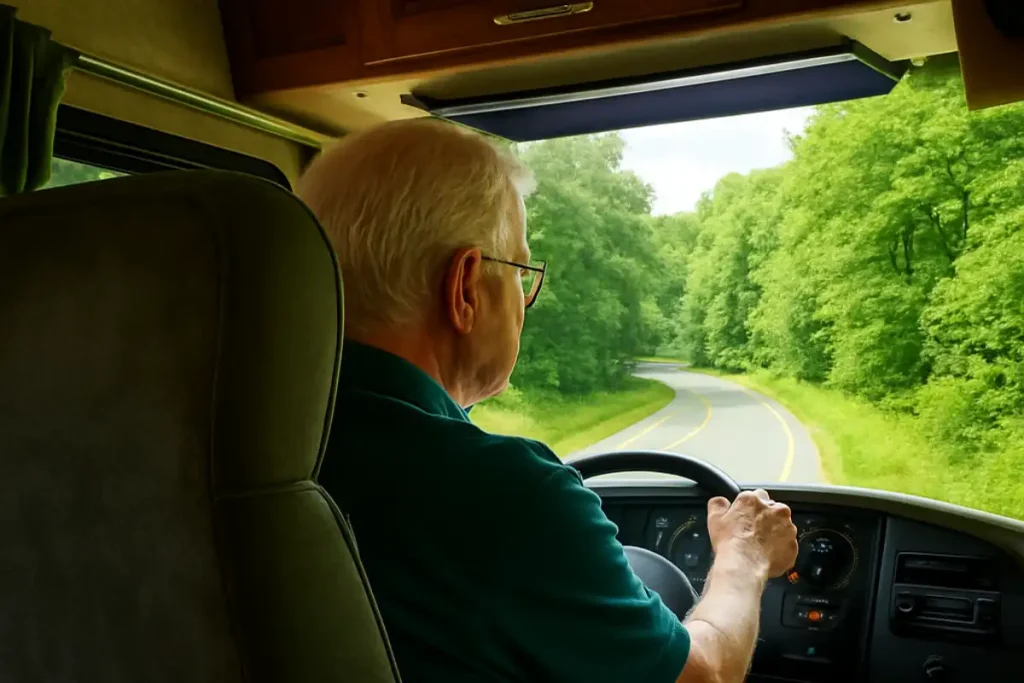
The open road stretching ahead, your favorite playlist humming through the speakers, complete freedom to pause wherever inspiration calls, who can imagine this. As a guy who’s driven solo or with my wife along scenic coastal highways and winding mountain passes, the excitement is undeniable, but so is the importance of prioritizing safety, especially after turning 50.
A solo road trip after 50 starts with a route you can drive comfortably, a prepared vehicle and a plan if the day changes. This guide focuses on the practical decisions: driving time, rest stops, lodging, communication and roadside support.
Fill in a route plan you can change
| For each leg | Write down | Backup |
|---|---|---|
| Driving | Estimated drive, road type and your own conservative limit | A nearer overnight stop |
| Rest | Planned places to stop and alternatives | Stop sooner if concentration or comfort changes |
| Arrival | Sunset, check-in window and delay buffer | Call lodging before its deadline |
| Contact | Who gets your route and expected check-in | What they should do if you do not respond |
| Vehicle | Roadside number and local coverage | Offline directions and a charged phone |
A map’s arrival time does not include every stop, queue or weather delay. If you feel drowsy or your attention slips, stop driving in a safe place; music, coffee or a driver-assistance feature is not a substitute for rest. Adjust the route instead of trying to meet the plan at all costs.
Why solo road trips transform life after 50
A solo road trip gives you room to choose your route and stop for what interests you. It is not a test of independence or a guaranteed mental-health benefit. The useful question is whether driving this trip is something you can do comfortably and safely.
Not sure whether driving is the format you want? Compare all options in our guide to single travel groups over 50
Physical realities make preparation non‑negotiable: reaction times can slow, night vision can diminish, and sitting increases the risk of circulation issues. Instead of seeing this as a limitation, consider it a reason to plan more thoughtfully so your body, your energy, and your confidence all work in your favor on the road.
Start with a familiar, manageable drive rather than a fixed mileage target. Notice your concentration, vision, comfort and fatigue. If you have concerns about driving ability or medicines that affect alertness, seek professional advice before planning a longer route.
Vehicle safety: your rolling lifeline
Your car is your shelter, your home on wheels, and your escape route if something goes wrong. As vehicles age, the risk of breakdowns and mechanical issues rises, especially on longer trips. A thorough safety inspection before departure is non‑negotiable.
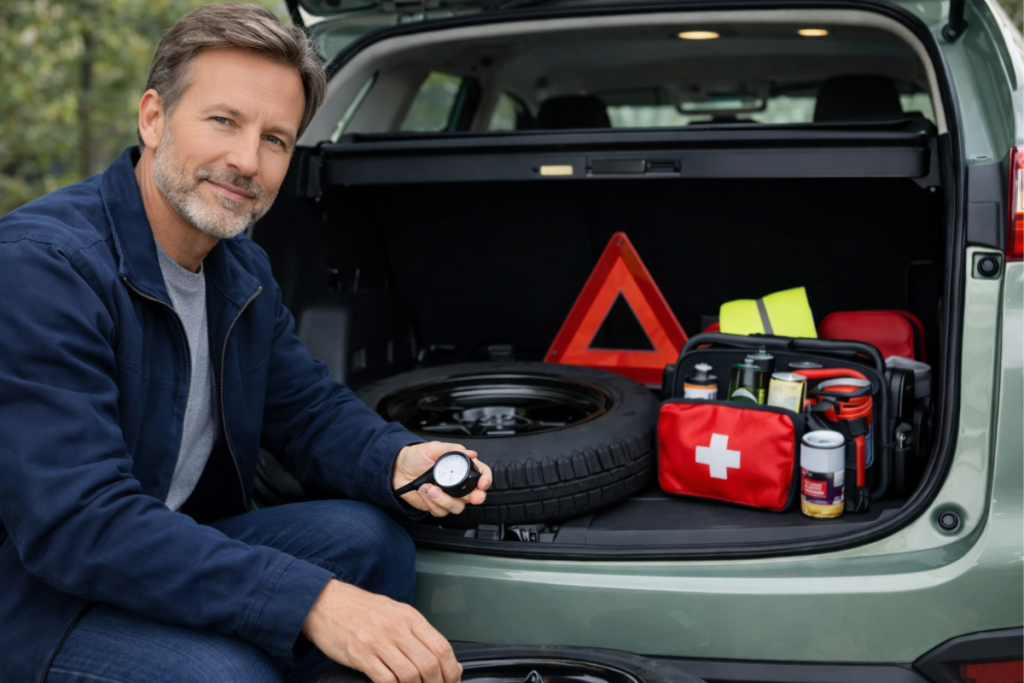
Pre‑departure checklist to review with your mechanic:
- Tires: good tread depth, correct pressure, usable spare
- Brakes: pads with plenty of life, smooth braking
- Battery: tested and not near end of life
- Fluids: engine oil, coolant, brake fluid, transmission fluid, washer fluid
- Belts, hoses, wipers, headlights, and taillights
If your vehicle has driver-assistance features, learn their limits and how to use them before the trip. They do not replace attention, rest or safe driving. A mechanic’s check and a vehicle that fits your needs matter more than assuming you must buy a newer car.
Roadside emergency kit to store in your trunk:
- Jumper cables
- Small inflator/compressor and tire sealant
- Spare tire, jack, and proper tools
- Reflective triangles or flares
- Work gloves, rechargeable flashlight, duct tape
- First‑aid kit and emergency blanket
- High‑visibility vest and rain poncho
Test all your equipment before you leave, practice changing a tire in your driveway, and download offline maps on your phone so you are not dependent on cell coverage.
Strategic route planning: adventure meets prudence
Pure spontaneity sounds romantic, but on multi‑day trips, it often leads to fatigue and unnecessary risk. Smart route planning balances freedom with structure so you can enjoy serendipity without over‑pushing your body.
Golden rules for senior‑friendly routing :
- Drive mainly in daylight when possible
- Set a conservative driving limit based on your current ability, route and conditions; shorten the day if needed
- Take a “walk and stretch” break of 10–15 minutes every 2 hours
- Check local sunset for your date and plan arrival before dark, with a buffer for delays
An adaptable route rhythm: start with a short, familiar driving day; leave room for a sightseeing or rest day; and make later legs optional rather than committing to fixed mileage. Choose each overnight stop around daylight, road conditions and how you feel.
Before you leave, share your detailed itinerary via Google Docs or a trip‑planning app: hotel addresses, phone numbers, planned arrival times, and your license plate. Set up automatic check‑in reminders with a trusted contact so they know quickly if something is off.
Health and comfort: your body dictates the pace
On a long drive, your body sets the pace. Hours of sitting can affect circulation, joints, and focus, especially after 50. Taking care of your needs on the road can help you enjoy the journey instead of just “surviving” it.
Health and comfort items to discuss or pack :
- Prescription medicines for the trip plus a suitable reserve for delays, arranged with your prescriber or pharmacist
- Pill organizer for daily doses
- Compression socks only if appropriate for you after professional advice
- Lumbar cushion and possibly a seat wedge or cushion
- Small strap or band for simple stretches during breaks
- If you already use them: blood pressure monitor, glucose meter, thermometer
For more in‑depth strategies on mobility, energy, and recovery after 50, check out our guide to healthy aging
Pack familiar meals or snacks and water, and stop to eat rather than dividing your attention while driving. Follow any individual dietary or fluid guidance you have been given.
Safe stops: where you pause matters most
Where you stop can be just as important as how you drive; not all rest areas or gas stations offer the same level of safety, especially when you are traveling alone.
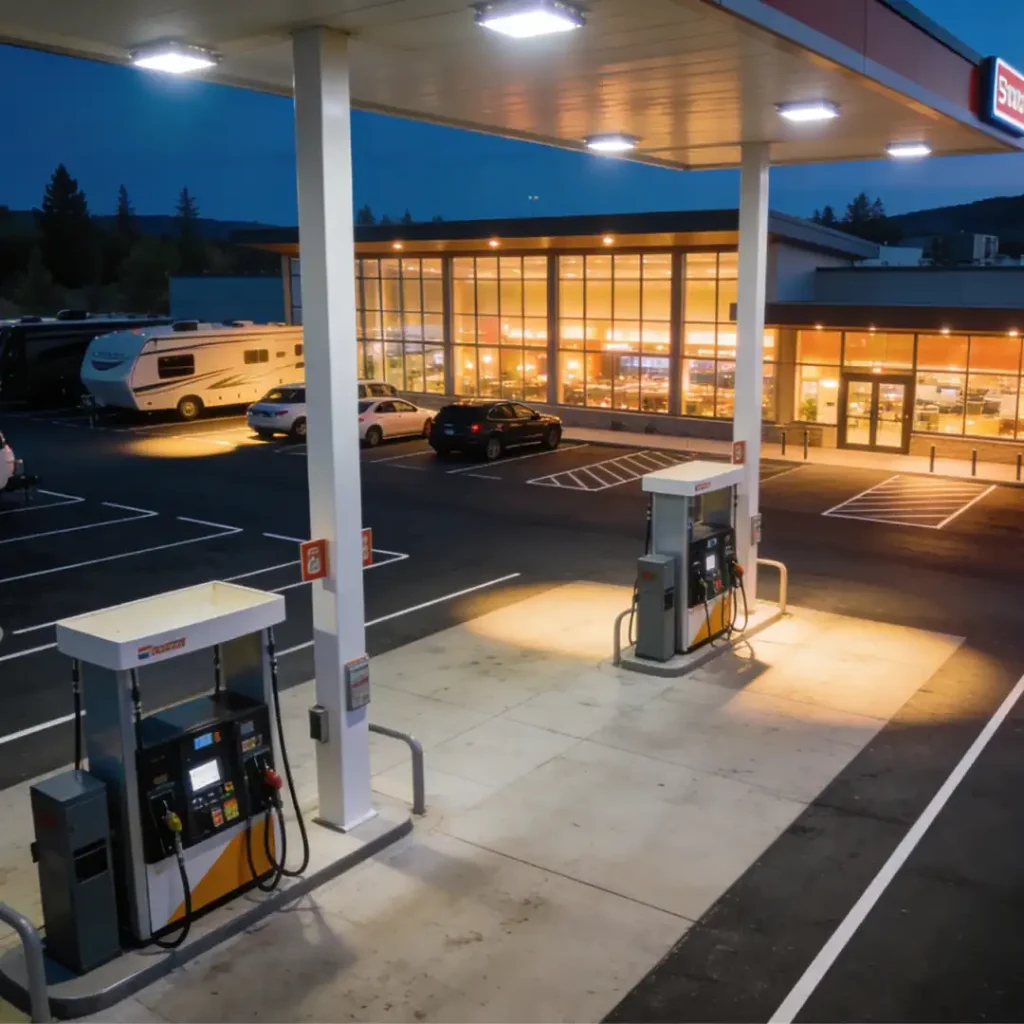
Assess each stop on its actual conditions:
- Look for visible staff, good lighting and a legal place to park
- A familiar brand alone does not establish safety
- Daytime only: some highway rest areas or welcome centers with plenty of people around
- Avoid: empty parking lots, isolated stations, poorly lit areas
When you arrive, park near the entrance under strong lighting, lock your car, keep valuables in the trunk (already stored before you arrive), and keep your phone charged. For naps, choose busy, allowed locations rather than isolated spots.
Lodging: comfort and security first
A good night’s sleep in a place where you feel safe is essential on a solo road trip. When you travel alone, it is usually wiser to choose reliable, well‑reviewed lodging rather than highly experimental or remote options.
Key lodging criteria:
- Interior corridors instead of doors opening directly onto the parking lot
- Front desk staffed 24/7
- Neighborhood with at least some activity, not completely deserted
- Room in a quiet part of the hotel (away from elevators and ice machines)
When you enter your room, do a quick “safety check”: deadbolt, windows, phone, and the shortest path to your car or the emergency exit. You can also request a mid‑level floor if that makes you feel more secure.
Technology: your invisible safety net
Modern technology can dramatically increase your sense of security and ease on a solo road trip. Your smartphone is your navigator, your connection to loved ones, and your emergency lifeline.
Helpful apps to install and configure before you leave:
- Navigation app with real‑time traffic plus offline maps
- Roadside assistance app from your insurer or auto club
- Location‑sharing app with a trusted friend or family member
- A medication reminder app if you are on regular treatments
If you have a smartwatch, turn on SOS or fall‑detection features if available, bring a high‑capacity power bank and a reliable car charger so you never have to worry about running out of battery.
Emergency mastery: calm under pressure
Even with excellent preparation, emergencies or uncomfortable situations can still happen; having a simple protocol to follow helps you stay calm and make clear decisions.
Five‑step protocol for on‑the‑road problems:
- Get to safety immediately: slow down, pull over to a safe area, turn on hazard lights
- Call your roadside assistance service or the number provided by your insurer
- Inform a trusted contact about what is happening and where you are
- Stay inside your locked vehicle as long as it remains the safest place
- Call the police or emergency services if you feel threatened or if the situation requires it
Keep paper and digital copies of your key documents in the car: registration, auto insurance, health insurance, medication list, doctor’s contact, and emergency contacts. A few minutes of preparation at home can save a lot of stress later.
Pure joy: making memories that last
When your safety foundation is solid, you can focus on what makes solo road trips truly unforgettable: joy, freedom, and the small, unexpected moments you collect along the way.
Ideas to enrich your experience:
- Create playlists tailored to different types of roads
- Download podcasts or audiobooks for long, straight stretches
- Set small rituals: dinner, coffee, sunset or sunrise photos, a few lines in a travel journal each night
The best finish is not a mileage achievement. It is arriving with enough energy to enjoy the place you chose. Leave room to shorten a leg, stay an extra night or choose another form of transport.
For more ideas in this category, visit our travel after 50 hub.
Related Lonage guides in this topic include Luxury Solo Vacations for Women Over 50.
Frequently asked questions
How many hours a day is it safe for older adults to drive on a road trip?
There is no daily driving limit that is safe for everyone. Plan short, manageable legs with breaks and a nearer overnight option. Stop sooner if you feel drowsy, uncomfortable or less focused; do not use a mileage or time target to push through fatigue.
Is night driving safe for older drivers on a solo road trip?
Aging and nighttime driving together increase the risk of traffic injuries for older adults, so many seniors choose to drive mainly during daylight. Planning your route so you are off the road before dark is one of the simplest and most effective safety strategies.
What is the safest type of place to stop when traveling alone?
No type or brand of stop guarantees safety. Assess the actual location for lighting, visible staff, activity and a legal place to park. If it feels unsuitable, choose another stop while you can do so safely.
Should I talk to my doctor before a long solo road trip?
If you have chronic conditions, take daily medication, or have concerns about your stamina, it is wise to discuss long drives with your doctor in advance. Ask about how long you can safely sit, any medication side effects that affect alertness, and which symptoms mean you should stop driving and seek care.
How can I stay independent but still feel safe when traveling solo after 50?
Choose realistic daily mileage, plan daylight driving, share your itinerary and location with a trusted contact, and use technology like navigation apps and roadside assistance to back you up. With thoughtful planning, you can enjoy the freedom of solo travel without sacrificing safety.