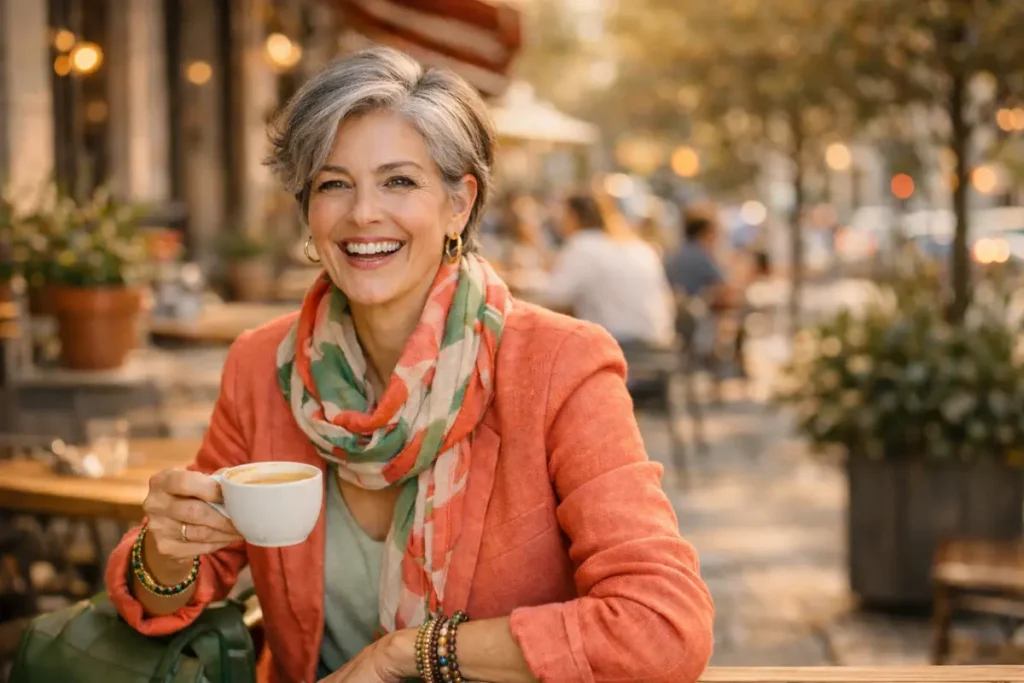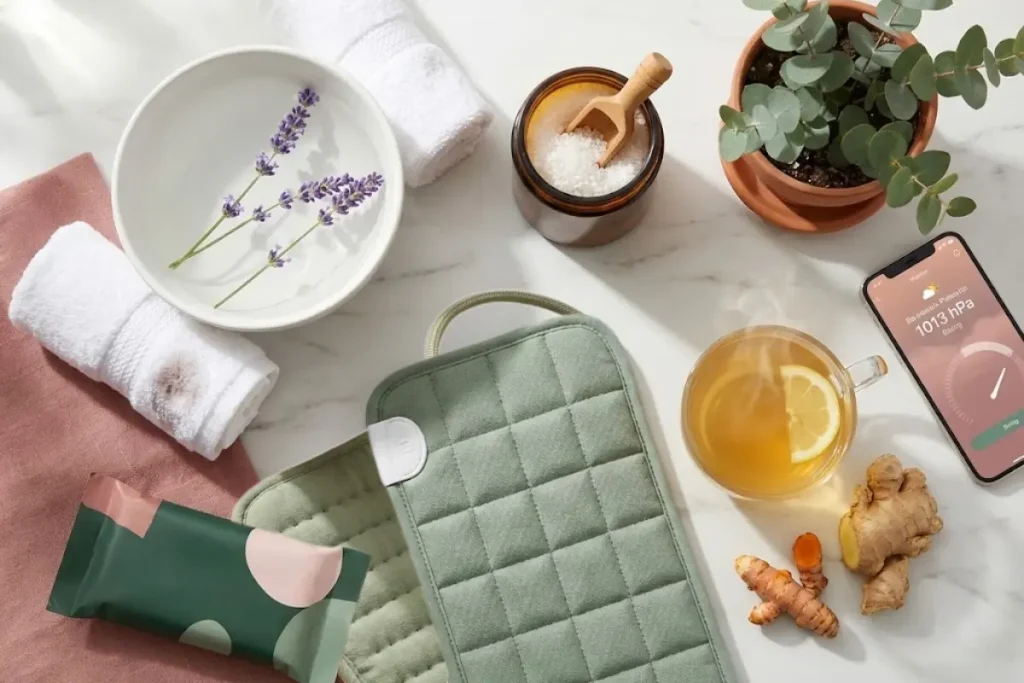
Turning 50 felt less like crossing a finish line and more like discovering a door I didn’t know existed. On one side, decades of trying to meet everyone else’s expectations; on the other, this unexpected freedom to finally prioritize what actually matters. I started paying attention, really paying attention, to how my body felt, what it needed, and what made me feel genuinely alive rather than just busy. That’s when I realized that this period isn’t some complicated formula we need experts to decode. It’s about tuning into the wisdom we’ve spent five decades accumulating and using it to create our most vibrant chapter yet. If you’re standing at this same threshold, wondering how to navigate the changes while feeling energized and purposeful, let’s walk this path together.
Women in their fifties, sixties, and beyond are rewriting what it means to age. We’re not just surviving, we’re thriving, building businesses, traveling solo, learning new skills, and refusing to fade into the background. The science backs this up too: research shows that specific lifestyle habits can dramatically extend not just our lifespan, but our healthspan, those vibrant years when we feel genuinely alive.
This guide delves into the physical, emotional, and lifestyle transformations women encounter after 50, providing practical, science-based strategies to enhance strength, vitality, and overall well-being. Embracing the reality that our bodies evolve with time is not something to fear but an opportunity to navigate with wisdom and confidence.
What Makes This Life Stage Different (And Why That’s Actually Good News)
Turning 50 comes with real physical changes. During the five to seven years following menopause, women over 50 can lose up to 20% of their bone density. Our metabolism shifts, our hormones do a complete reorganization, and suddenly things that worked in our forties don’t quite cut it anymore. If you’re looking for a broader perspective on healthy aging at any stage of life, we explore the mindset and foundational principles in our articles
But here’s where it gets interesting. This transition also brings unexpected gifts: clarity about what truly matters, freedom from caring what others think, and the confidence that only comes from lived experience. I’ve noticed that many women in this age group finally feel permission to prioritize themselves; maybe for the first time in decades.
The physiological reality we’re dealing with includes declining estrogen levels, which affect everything from bone density to brain function. Research from the Study of Women’s Health Across the Nation reveals that cognitive processing speed changes become more noticeable in our fifties, though the good news is that many of these shifts are manageable with the right interventions.
What I find most empowering is this: while we can’t stop the aging process, we have tremendous control over how we age. A 30 year Harvard study discovered that five key habits, eating well, exercising regularly, maintaining healthy weight, limiting alcohol, and not smoking, can add significant years to our lives. These aren’t complicated interventions; they’re sustainable practices we can start today.
The Foundation: Nutrition That Nourishes Your Changing Body
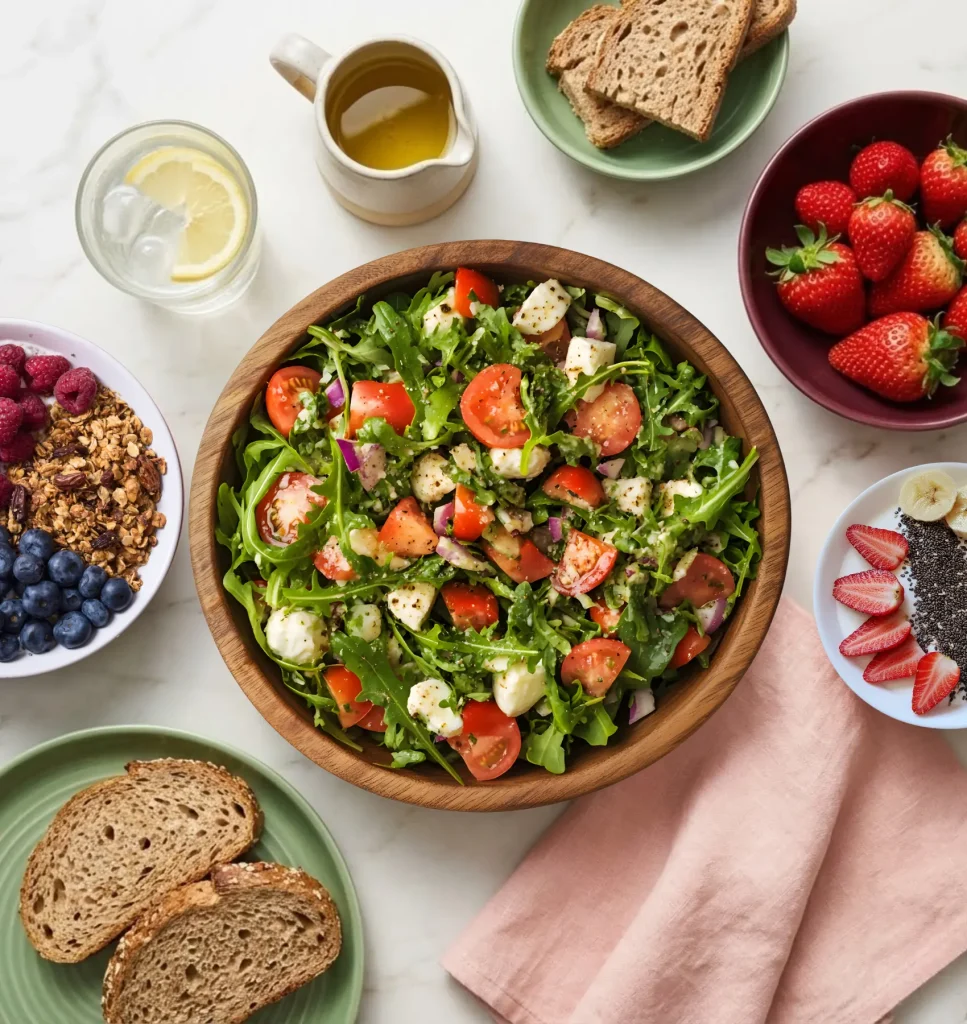
I used to think eating healthy meant restricting and depriving myself. Now I understand it’s about abundance, filling my plate with foods that make me feel energized and strong. The nutritional needs of women over 50 shift in specific ways, and understanding these changes has been genuinely transformative for me. We break down this approach in more detail in our guide to nutrition for women over 50
Calcium and vitamin D become non-negotiable after menopause. Women over 50 need 1,200 milligrams of calcium daily and 800-1,000 IU of vitamin D (as per medical advice). I know these numbers sound clinical, but they translate to real-world choices: Greek yogurt with breakfast, leafy greens at lunch, and maybe a handful of almonds as an afternoon snack. For detail on supplements that genuinely help
Here’s something that genuinely surprised me: prunes are bone-building superstars. They contain vitamin K, potassium, and phenolic compounds that work together to help our bones absorb calcium and reduce inflammation. I’ve started eating a few prunes about 15 minutes before my morning walk, they give me energy and support my bone health at the same time.
The Mediterranean approach to eating continues to show remarkable benefits for longevity. This means embracing colorful vegetables, whole grains, healthy fats from nuts and olive oil, and fish or plant-based proteins. For more detailed guidance on optimizing your breafast after 50, consider consulting with a registered dietitian who specializes in women’s health. What I love about this way of eating is that it’s not about deprivation, it’s about enjoying real, flavorful food.
Protein becomes increasingly important as we age because it helps maintain muscle mass, which naturally declines after 50. Aim for protein at every meal: eggs at breakfast, beans in your salad, fish for dinner. Plant-based proteins like lentils and chickpeas are particularly beneficial.
One practice that’s changed everything for me is eating until I’m 80% full rather than stuffed. This simple habit, common in Blue Zones where people live longest, helps maintain a healthy weight without feeling restricted. And drinking water consistently throughout the day; something I used to forget completely, makes a noticeable difference in my energy levels.
Movement: The Non-Negotiable Pillar of Healthy Aging
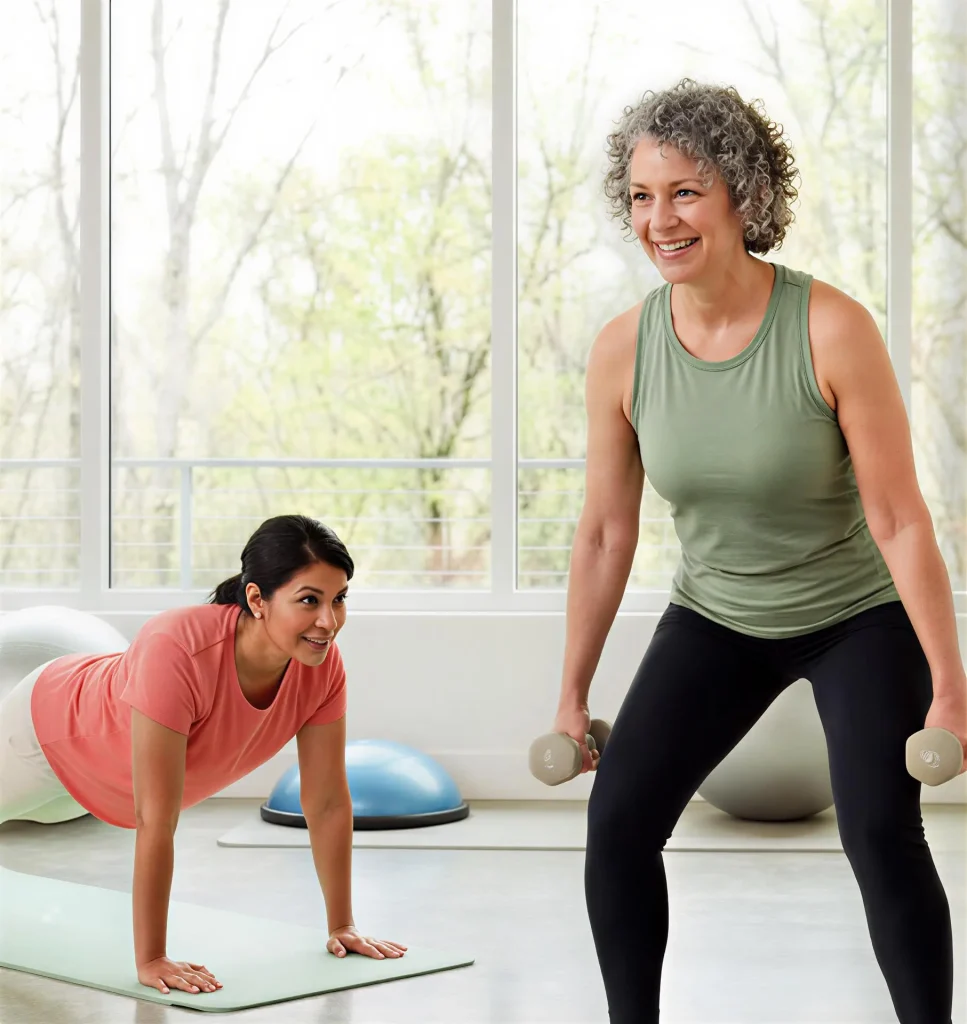
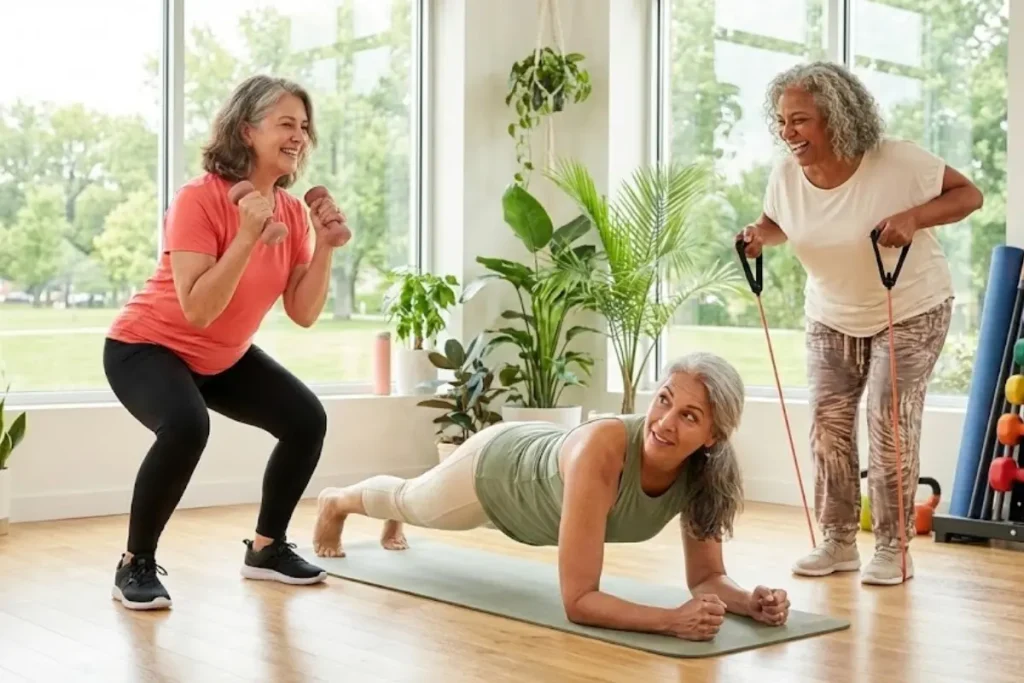
If I could shout one message from the rooftops, it would be this: strength training is essential for women over 50. Not optional, not just for athletes essential. When I first heard this from my doctor, I thought she meant I needed to become a bodybuilder. She laughed and explained that even basic resistance training twice a week can counteract muscle loss and protect our bones.
Dr. Marily Oppezzo from Stanford Lifestyle Medicine puts it perfectly: “During menopause, declining estrogen levels directly impact muscle maintenance and development, but strength training can certainly help combat these changes”. The research is clear, resistance training improves lean body mass, strength, bone density, and even promotes mental well-being and confidence.
Weight-bearing exercises like walking, running, or dancing do double duty: they maintain healthy bones while supporting cardiovascular health. I aim for about 20-30 minutes of movement, 3-4 times weekly, and honestly, some weeks I hit that target and some weeks I don’t. What matters is consistency over perfection.
Here’s what a realistic movement routine looks like for many women I know:
- Monday and Thursday: 20-minute walk plus 15 minutes of bodyweight exercises (squats, wall push-ups, standing leg lifts)
- Tuesday and Saturday: 30-minute walk or swim
- Wednesday: Gentle yoga or stretching
- Weekend: Something fun; gardening, dancing, hiking with friends
The key is finding movement you actually enjoy. I’ve discovered that early morning walks exposed to natural light not only boost my mood but also help maintain a healthy weight, independent of how many calories I burn. Northwestern University researchers found that 20-30 minutes of morning light corresponded to lower BMI, a fascinating reminder that health isn’t just about exercise intensity. Maybe you want to check out the 3 Best Exercises that actually work
Protecting Your Bones: Beyond Calcium Supplements
The bone health conversation becomes critical after 50, and I wish someone had explained this to me more clearly when I was younger. One in three women over 50 will experience osteoporosis, and nearly 75% of all hip fractures occur in women. These aren’t just statistics, they represent real risks to our independence and quality of life.
But here’s what gives me hope: bone loss isn’t inevitable, and even if it’s already started, we can slow it down significantly. The strategy involves multiple approaches working together.
Nutrition for bone strength goes beyond just calcium. We need adequate vitamin D (2,000-3,000 IU daily as recommended by Doctors & Dr. Nadia.), magnesium (500 mg), and vitamin K. The best approach combines food sources with supplementation when necessary. Dark leafy greens, fatty fish, fortified dairy or plant milks, and yes, The prunes I mentioned earlier play a significant role in supporting bone health. Additionally, consider exploring bone health supplements specifically designed for seniors.
Weight-bearing and resistance exercises literally tell our bones to stay strong. When we put stress on our skeletal system through activities like walking, climbing stairs, or lifting weights, our bones respond by maintaining or even increasing density. I think of it as a conversation with my skeleton: use it or lose it.
Talk to your doctor about bone density screening. Women should typically get a baseline DEXA scan around age 50 or at menopause. If you’re at higher risk, family history, previous fractures, small frame, or certain medications screening might be recommended earlier. Knowing your bone density gives you a starting point and helps you track whether your interventions are working.
Some women benefit from medications like bisphosphonates or other bone building prescriptions. I can’t offer medical advice here, but I can tell you that having an informed conversation with your healthcare provider about bone health is one of the most important steps you can take in your fifties.
Keeping Your Mind Sharp: Cognitive Health and Mental Wellness
The brain fog that can accompany perimenopause and menopause is real, and honestly, it scared me at first. I’d walk into a room and forget why, lose words mid-sentence, or struggle to focus on tasks that used to be effortless. What I’ve learned is that while some cognitive changes are normal during this transition, they’re often temporary and there’s so much we can do to support our brain health.
Research from the Study of Women’s Health Across the Nation found that changes in cognitive processing speed become more noticeable in our fifties, but persistent memory declines typically don’t appear until well after menopause. Even more encouraging: the factors that accelerate cognitive decline: financial stress, hypertension, diabetes, and poor heart health, are things we can address through lifestyle changes.
Exercise benefits the brain just as much as it benefits the body. Regular physical activity, even in small amounts, shows potential benefits for cognition as we age. That morning walk isn’t just protecting your bones and heart; it’s also supporting your brain health. The connection between cardiovascular health and cognitive function is profound.
Social engagement and mental stimulation form crucial pillars of healthy aging. Loneliness and isolation accelerate cognitive decline, while meaningful relationships and purposeful activities protect against it. I’ve made it a priority to maintain my friendships, join a book club, and learn new skills, currently working on improving my Italian before a trip next year. These aren’t just fun activities; they’re brain health interventions.
The mind-body connection becomes increasingly important after 50. Chronic stress contributes to hypertension and negatively impacts cognitive function. I’ve found that stress management techniques; whether it’s meditation, deep breathing, time in nature, or simply saying no to obligations that drain me; make a measurable difference in how I feel mentally and physically.
Coffee lovers, rejoice: that daily cup (or two) of coffee does more than wake you up. Coffee contains phytochemicals including chlorogenic acid and polyphenolics that help stave off conditions related to memory loss. I’m not suggesting you take up coffee if you don’t drink it, but if you already enjoy it, there’s science supporting its brain-protective benefits.
Essential Health Screenings: Knowledge Is Power
I’ll be honest: I used to dread annual check-ups. Now I view them as essential maintenance appointments, no different from servicing my car, except infinitely more important. The screenings we need after 50 can literally save our lives, and many of them detect issues when they’re still easily treatable.
Your yearly wellness visit should include:
- Blood pressure check (hypertension risk increases after menopause)
- Lipid panel (cholesterol screening)
- Fasting glucose and insulin levels (diabetes screening)
- Thyroid function tests
- Vitamin D levels (crucial for bone health and immune function)
- Kidney and liver function tests
- Markers of inflammation like C-reactive protein (CRP)
Cancer screenings become non-negotiable at this stage:
- Annual mammograms for breast cancer detection
- Colonoscopy or Cologuard for colon cancer screening (typically starting at 50, or earlier with family history)
- Regular Pap smears for cervical cancer, though frequency may decrease after 50 depending on your history
- Skin cancer screening, especially if you had significant sun exposure in your younger years
Don’t skip your vaccinations. The shingles vaccine (Shingrix) is recommended at age 50, and trust me, after hearing friends describe their experience with shingles, this is one vaccine you don’t want to postpone. You also need a Tdap or Td booster every 10 years, annual flu shots, updated COVID boosters, and potentially pneumococcal vaccine depending on your health status.
Eye exams should be annual after 50. Vision changes accelerate during this decade, and conditions like glaucoma and macular degeneration become more common. I resisted reading glasses for far too long, trying to squint my way through restaurant menus. Once I accepted I needed them, life got so much easier.
If you’re sexually active, STD screening remains important regardless of age. Sexual health doesn’t have an expiration date, and neither does the need for appropriate screening and protection.
The Often-Forgotten Pillar: Sleep, Stress Management, and Joy
We can eat perfectly and exercise religiously, but without quality sleep and stress management, we’re building on a shaky foundation. I’ve learned this the hard way: the weeks when I skimp on sleep or let stress run unchecked, everything else falls apart, my eating habits slide, I skip workouts, my mood tanks, and even my skin looks dull. Maybe you’ll be interested in these expert tips from the ultimate skincare guide.
Sleep becomes more challenging after menopause for many women. Hot flashes, night sweats, increased anxiety, and changing hormone levels all conspire against a good night’s rest. But sleep is when our bodies repair, our memories consolidate, and our immune systems strengthen. Aim for 7-9 hours nightly, and create a sleep-friendly environment: cool, dark, quiet, and screen-free.
What’s helped me: keeping the bedroom temperature around 65-68°F, layering bedding so I can adjust easily, practicing a consistent bedtime routine, and limiting caffeine after 2 PM. Some nights are still challenging, but overall my sleep quality has improved dramatically with these simple changes.
Stress management isn’t a luxury; it’s essential for longevity. Chronic stress elevates cortisol levels, which contributes to weight gain (especially around the middle), weakens immune function, accelerates cognitive decline, and increases risk for cardiovascular disease. The body keeps score of our stress, and after 50, we often see the cumulative effects catching up with us.
Finding what works for you is key. For some women, it’s yoga or meditation. For others, it’s gardening, painting, spending time with grandchildren, or walking in nature. I’ve discovered that setting boundaries, saying no to commitments that drain me; is one of the most powerful stress management tools I have.
And here’s something we don’t talk about enough: joy matters for longevity. The women I know who are thriving in their sixties and seventies prioritize pleasure and purpose. They pursue creative interests, maintain meaningful relationships, travel when they can, try new restaurants, take classes, volunteer for causes they care about, and generally approach life with curiosity rather than resignation.
Food should bring joy, not anxiety. Movement should feel good, not punishing. This season of life offers us permission to release perfectionism and embrace what genuinely nourishes us body, mind, and spirit.
Frequently Asked Questions About Healthy Aging for Women Over 50
Embracing Your Most Vibrant Chapter
Healthy aging for women over 50 isn’t about perfection or following rigid rules that suck the joy out of life. It’s about making informed, intentional choices most of the time while leaving room for flexibility, pleasure, and the occasional indulgence. The women who thrive in this stage of life are those who approach aging with curiosity rather than fear, who invest in their health while also investing in their happiness.
What I’ve discovered is that our bodies are incredibly resilient and responsive. The choices we make today how we nourish ourselves, how we move, how we manage stress, how we connect with othersو create the foundation for how we’ll feel five, ten, twenty years from now. And that’s genuinely empowering.
Start where you are. Maybe this week you add one strength training session, schedule that bone density scan you’ve been postponing, or finally say yes to that pottery class you’ve been curious about. Small, sustainable changes compound into remarkable transformations over time.
This chapter of life offers something previous decades didn’t: the wisdom to know what truly matters, the confidence to pursue it, and the freedom to release what doesn’t serve us. Healthy aging is as much about cultivating joy, purpose, and authentic connections as it is about calcium intake and exercise routines.
Your body has carried you through decades of experiences; it deserves your compassion, your attention, and your investment. And you deserve to feel vibrant, strong, and fully alive in the years ahead. Please consult with your healthcare provider to create a personalized plan that addresses your unique health needs and goals.
What’s one small step toward thriving that you’ll embrace this week? I’d love to hear what resonates with you, share your thoughts in the comments below, and let’s support each other in this beautiful journey of aging with intention and grace.