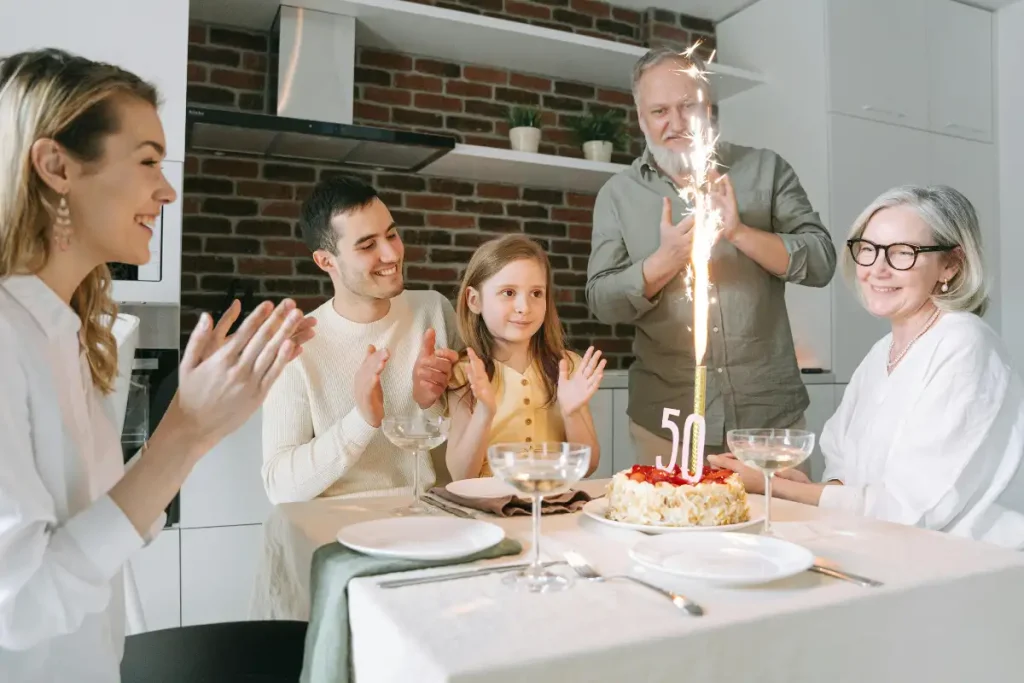
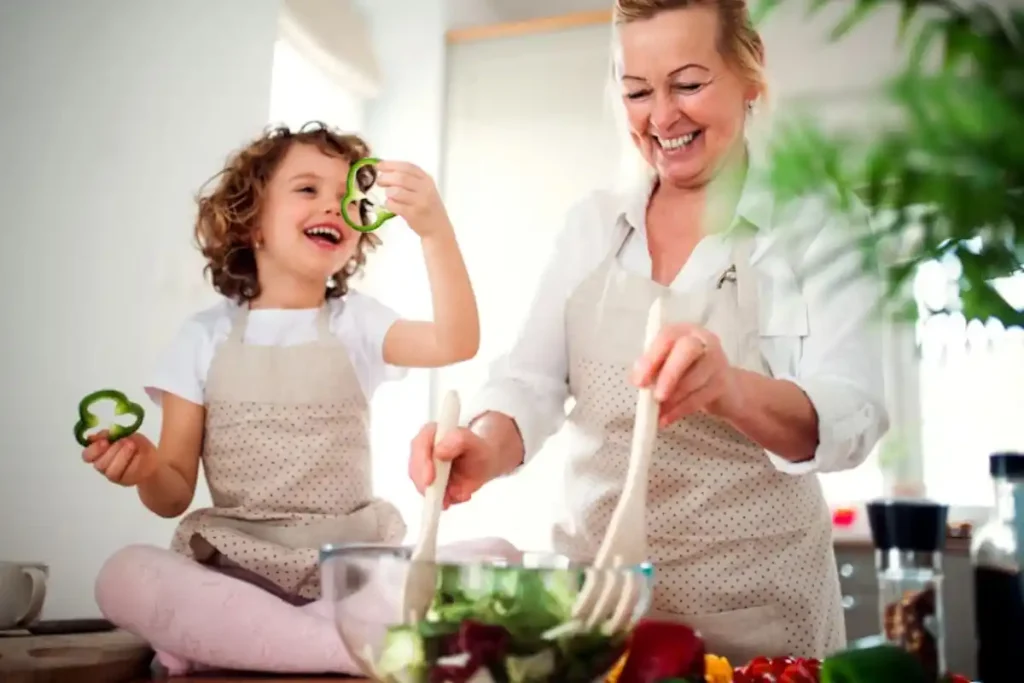
When my first grandchild arrived, someone handed me a cookbook titled “Grandma’s Kitchen.” Another friend gifted me a rocking chair cushion. I looked at these well-meaning presents and thought. Decided that becoming a grandmother means I suddenly bake cookies all day and rock on the porch. If you’re curious about what a grandmother’s typical personality is, prepare to discover there isn’t one. Today’s grandmothers are rewriting every outdated script, blending wisdom with vitality, and creating their own vibrant versions of this beautiful role.
Challenging outdated grandmother stereotypes
Society hands us a narrow blueprint for grandmotherhood: silver hair in a bun, perpetually in the kitchen, endlessly available for babysitting, speaking in hushed tones, and definitely not discussing anything too modern or controversial. These clichés don’t just feel outdated; they’re actively harmful, pressuring women into boxes that don’t fit their authentic selves.
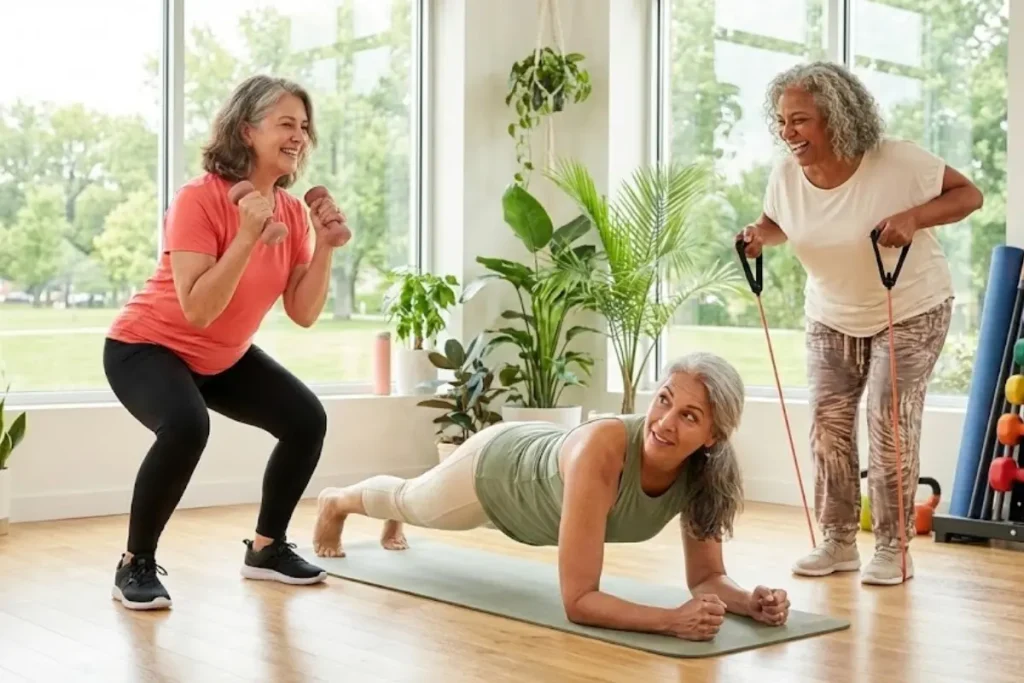
The reality is gloriously different. Today’s grandmothers run marathons, launch businesses, travel solo, maintain active social lives, pursue higher education, engage in meaningful careers, practice yoga, attend concerts, date, and yes, sometimes bake cookies because they choose to, not because it’s expected, the grandmother working on her novel at a coffee shop is just as valid as the one teaching her grandchildren to garden.
Age doesn’t diminish personality; becoming a grandmother doesn’t erase the person you spent decades becoming. Your interests, passions, quirks, and preferences don’t vanish when your child has a child. If you were adventurous before grandchildren, you’ll likely be an adventurous grandmother. If you valued independence and personal space, those needs remain legitimate and important.
Research on aging and personality shows remarkable stability across the lifespan; your core traits, the essence of who you are, persist and often strengthen with age. Grandmotherhood adds a dimension to your identity without replacing everything else. Understanding this liberates you from feeling pressured to transform into someone unrecognizable simply because you’ve gained a new title. Your authentic self, while discovering renewed purpose, creates the most genuine and joyful grandmother experience. For related context, see identity, purpose & social life after 50.
What is a grandmother’s typical personality in modern times
If forced to identify common threads among contemporary grandmothers, the patterns emerge less from personality and more from life stage wisdom. Women in their 50s, 60s, and 70s who become grandmothers often share certain experiential qualities shaped by decades of living, learning, and growing.
Perspective tops the list, having navigated life’s major challenges, raising children, building careers, weathering losses, and surviving difficulties that once felt insurmountable. Grandmothers typically possess a calming perspective. The tantrum that would have stressed them as young mothers now rolls off easily. They understand that most crises pass, that perfection is overrated, and that love matters more than pristine homes or rigid schedules.
Confidence and authenticity increase with age. Numerous studies confirm that women’s confidence grows significantly after 50. You stop caring as much about others’ opinions, you speak your truth more readily, you set boundaries without excessive guilt; this translates into grandmothering that’s genuine rather than performative; you can say “I need time for myself” without apologizing or “I’d prefer not to” without elaborate explanations.
Generosity of spirit often deepens. This doesn’t mean endless availability or martyrdom; it means having emotional bandwidth to show up with patience, to delight in small moments, to offer unconditional love without the weight of primary responsibility. Grandmothers frequently report feeling more present and less stressed than they did as parents, allowing them to savor experiences they might have rushed through decades earlier.
Playfulness resurfaces for many women in this role. Freed from the constant vigilance and responsibility of parenting, grandmothers often rediscover joy in play. Building blanket forts, creating art projects, and engaging in silly games, these activities feel lighter when you’re not simultaneously managing discipline, schedules, and all the heavy lifting of child-rearing. The ability to hand children back at day’s end preserves mental clarity and emotional reserves.
The diverse archetypes of modern grandmothers
Rather than one typical personality, today’s grandmothers embody countless archetypes, each bringing unique gifts to their families. Recognizing yourself in one or more of these patterns can help you lean into your strengths rather than forcing yourself into an ill-fitting mold.
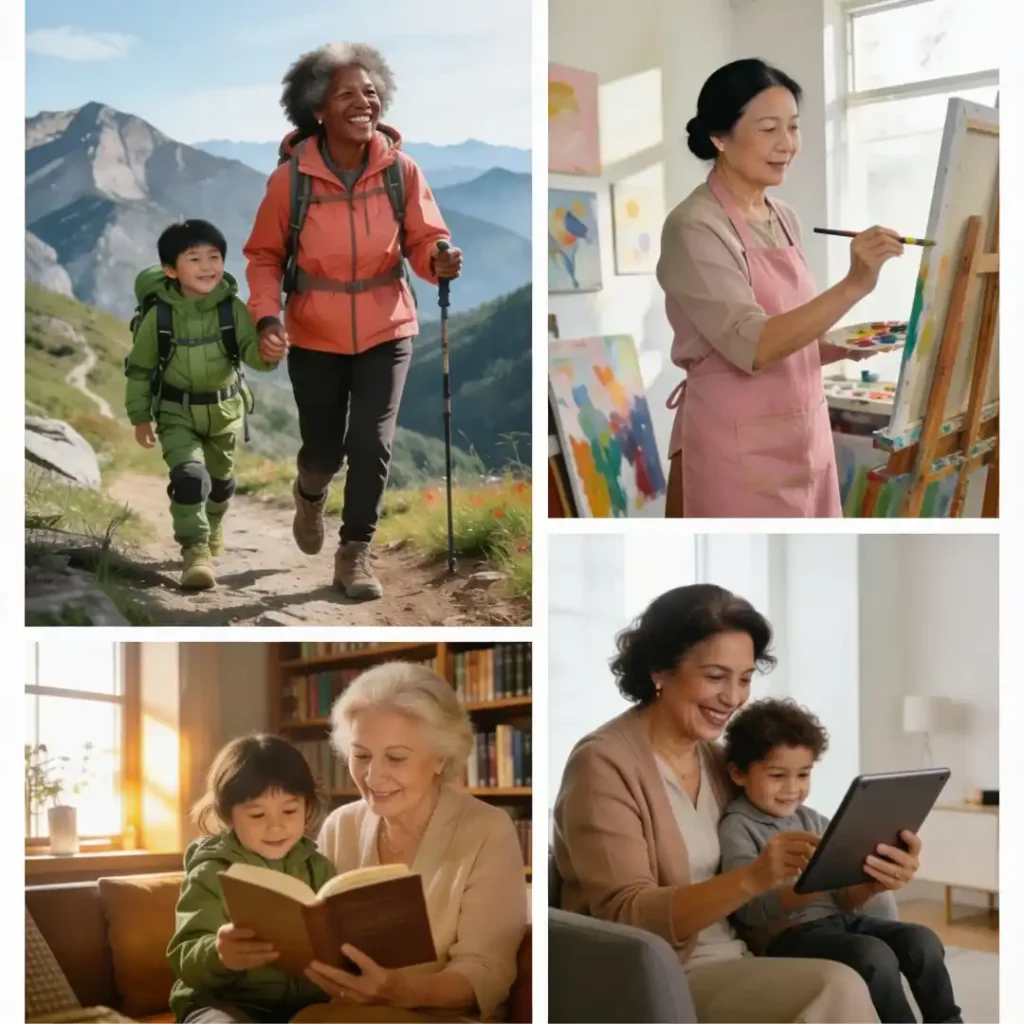
The Adventurous Grandmother thrives on creating experiences; she’s planning the family camping trip, teaching grandchildren to kayak, or video-calling from exotic locations. Her gift is expanding horizons and modeling curiosity about the world; she shows grandchildren that life doesn’t contract with age, it expands when you remain open to possibility.
The Wisdom Keeper shares stories, traditions, and family history. She connects grandchildren to their roots, teaching them about ancestors, preserving cultural practices, and providing continuity across generations. Her presence offers grounding, belonging in an increasingly fragmented world. She doesn’t live in the past; she honors it while remaining fully engaged in the present.
The Creative Grandmother expresses herself through art, music, crafts, cooking, or writing. She encourages creative exploration in grandchildren, providing materials, space, and enthusiastic support for their artistic endeavors. Her home might be messy with projects, but it’s alive with imagination and possibility. She demonstrates that creativity isn’t frivolous; it’s essential for a vibrant life.
The Active Grandmother prioritizes physical wellness and often includes grandchildren in her pursuits. She might be the yoga enthusiast inviting grandkids to join her practice, the hiker exploring trails together, or the dancer teaching them moves from her era. She models that taking care of your body remains important at every age, and movement can be joyful rather than obligatory. Her example plants seeds for lifelong physical vitality.
The Intellectual Grandmother is a lifelong learner who shares her curiosity. She discusses ideas, recommends books, explores museums, or engages in thoughtful conversations. She treats grandchildren as capable thinkers, asking their opinions and taking their ideas seriously. She demonstrates that intelligence and learning don’t have age limits, and that questions often matter more than answers.
Most grandmothers blend multiple archetypes, adapting based on circumstances, grandchildren’s ages, and their own evolving interests. You’re not confined to one category; your personality as a grandmother will naturally reflect your authentic self, shaped by your values, interests, and what brings you joy.
How grandmotherhood affects your wellness and identity
Becoming a grandmother triggers significant shifts in wellness, purpose, and self-perception. Understanding these changes helps you navigate the transition intentionally rather than reactively. The grandmother role can enhance wellbeing when approached with awareness and balance.
For many women, grandmotherhood brings increased purpose and meaning after decades of intense caregiving and career-building. But they experience a sense of purposelessness as children leave home and retirement approaches. Grandchildren can provide renewed meaning without the consuming demands of primary parenting. This sense of purpose correlates strongly with longevity and life satisfaction in aging populations.
Social connection and reduced isolation benefit many grandmothers; intergenerational relationships combat loneliness, a significant health risk for aging women, and regular interaction with grandchildren keeps you engaged, active, and connected. However, this benefit only materializes when relationships feel chosen rather than obligatory, highlighting the importance of boundaries.
Mental stimulation from engaging with young minds offers cognitive benefits. Keeping up with grandchildren’s interests, learning about their digital world, answering endless questions, and seeing life through their fresh perspectives challenge your brain in positive ways. Cognitive engagement protects against decline and keeps your thinking flexible and adaptive.
Physical activity often increases, particularly with younger grandchildren. Chasing toddlers, playing at parks, and lifting car seats, these activities keep you moving. While this can be exhausting, appropriate levels of physical engagement support strength, balance, and mobility. The key is activity to your fitness level and taking the necessary recovery time.
Stress management becomes crucial. While grandparenting can bring joy, it also introduces new stressors, especially when boundary issues arise or when you’re providing substantial care. Chronic stress from overextended grandparenting can undermine health gains from connection and purpose. Prioritizing your wellness isn’t selfish; it ensures you can sustainably show up for loved ones without depleting yourself.
Defining your own grandmother identity
The most fulfilling approach to grandmotherhood is consciously your version of the role rather than defaulting to expectations. This requires reflection, communication, and the courage to disappoint people when necessary to honor your authentic self.
Begin by identifying your values and priorities. What matters most to you in this role? Is it creating magical memories, passing down specific knowledge, providing practical support, or simply being a loving presence? Your values guide decisions about time investment, the activities you pursue together, and the boundaries you establish. When choices align with values, you feel fulfilled rather than resentful.
Communicate your preferences and limitations clearly. If you don’t want to be the default babysitter, say so early and kindly. If you need advance notice for visits, state that boundary. If certain activities drain you while others energize you, share this information. Your family cannot accommodate needs they don’t know exist. Clear communication prevents the accumulated resentment that poisons relationships.
Honor your energy levels and health needs. Grandparenting in your 50s, 60s, or 70s differs from parenting in your 20s or 30s. You might tire more quickly, need more recovery time, or have physical limitations. This isn’t failure or weakness, it’s reality. Adjusting expectations to match your current capacity, you can enjoy grandchildren rather than the exhaustion they sometimes bring.
Maintain your individual identity and interests. Continue pursuing hobbies, friendships, travel, work, or whatever brings you joy, independent of family. This not only preserves your well-being but also models for grandchildren that women remain whole, complex individuals beyond their roles. Your life shouldn’t revolve entirely around grandchildren any more than it should have revolved entirely around your own children.
Permit yourself to evolve. The grandmother you are with an infant differs from who you’ll be with a teenager. Your capacity and desires will change with your health, life circumstances, and the number of grandchildren you have. Regular check-ins with yourself about what’s working and what needs adjustment keep your grandmother identity authentic and sustainable.
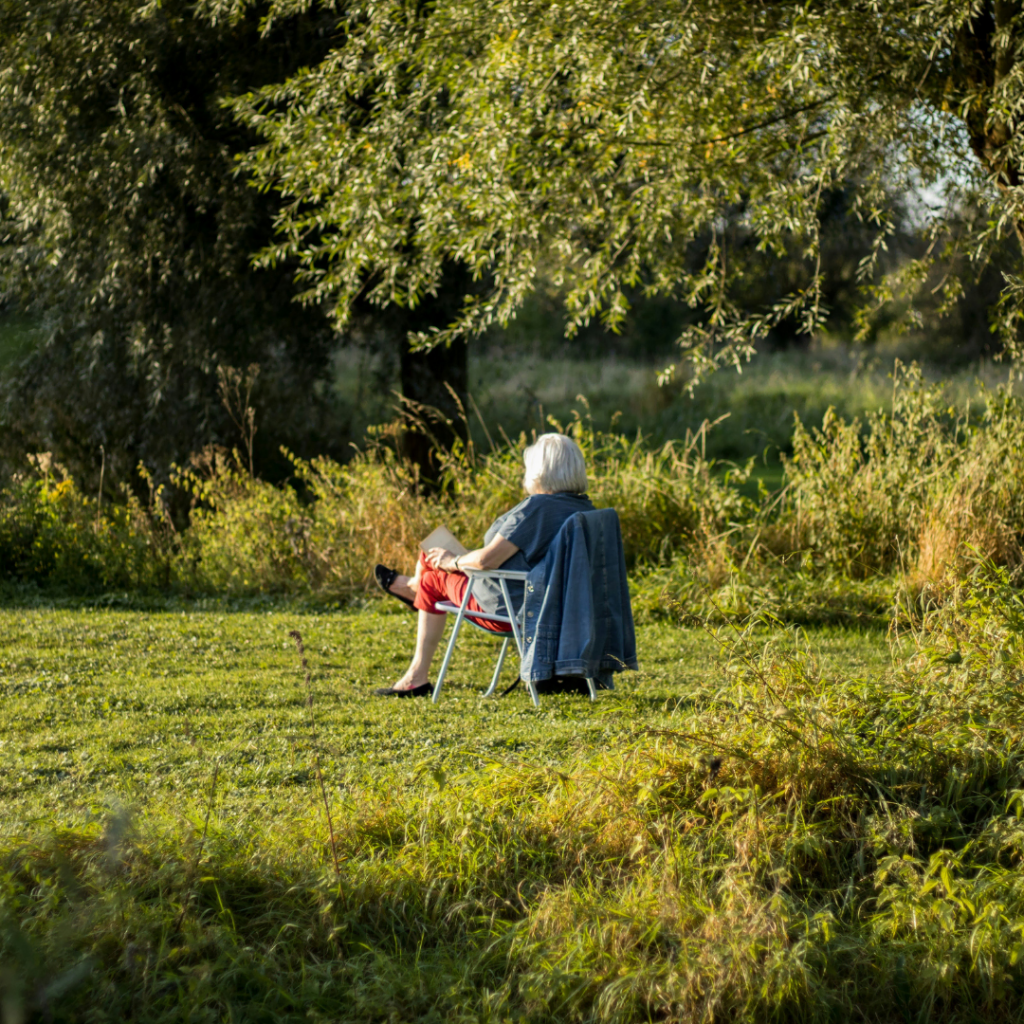
Setting boundaries while staying connected
Boundaries represent one of the trickiest aspects of modern grandmotherhood. You want close relationships with grandchildren and want to support your adult children, but you also have your own life to live. Finding this balance requires ongoing negotiation and the willingness to have uncomfortable conversations.
Establish availability parameters that work for your life. Perhaps you’re available for planned visits but not spontaneous drop-offs. Maybe you can watch grandchildren one day a week, but not more. Or you’re happy to take them for weekend adventures but not for extended stays. Whatever your limits, communicate them clearly and maintain them consistently; boundaries that constantly shift based on guilt create confusion and resentment on all sides.
Distinguish requests from demands. When adult children ask for help, you’re allowed to decline. “Can you watch the kids on Saturday?” is a question, not an obligation. Saying yes because you want to differs fundamentally from saying yes because you feel you must. The latter breeds resentment that ultimately damages relationships. You can be kind and loving while remaining firm.
Navigate in-law dynamics with diplomacy. If you’re the grandmother by marriage, you might face different expectations or treatment than biological grandmothers. These situations require particular sensitivity and clear boundaries. Focus on building direct relationships with grandchildren rather than competing with other grandparents for time, attention, or favoritism.
Address overstepping respectfully but directly. When adult children make demands beyond your capacity or criticize your grandparenting style, address it promptly. Unspoken resentments fester. A conversation might sound like: “I love spending time with my grandchildren, and I need you to respect when I say no to requests. My limitations aren’t rejections of the children.” Most conflicts stem from unspoken expectations rather than ill intent.
Recognize that boundaries protect relationships. When you overextend and become resentful, everyone suffers. Sustainable involvement requires honest limits. Your grandchildren benefit more from a grandmother who’s present and joyful in limited time than from an exhausted, resentful grandmother who’s constantly available but never genuinely present.
Celebrating the freedom to define your role
One of grandmotherhood’s greatest gifts is the freedom to participate on your terms, unlike parenting, which came with societal scripts and relentless demands; grandmothering offers flexibility to create something uniquely yours; embracing this freedom allows the role to enhance rather than constrain your life.
You control your level of involvement. Some grandmothers provide daily childcare. Others see grandchildren monthly. Some travel together regularly. Others connect primarily through video calls. None of these approaches is superior. The right level of involvement matches your desires, capacity, and family circumstances. Geography, health, family dynamics, and personal preferences all factor into what works for you.
You get to enjoy without the pressure, and when something isn’t working, you can hand it back. The discipline, the sleepless nights, the constant responsibility, those belong to parents. You can focus on fun, connection, and relationship building without bearing the weight of shaping a human being. This lighter load allows presence and enjoyment that stressed parents often struggle to access.
You bring wisdom without needing to prove anything. Your parenting days are behind you. You’ve made mistakes, learned lessons, and survived. This perspective allows you to relax in ways you couldn’t as a parent. When toddlers melt down or teenagers sulk, you can remain calm because you know it passes. You’ve already proven your parenting competence by raising functional adults; now you can love.
You model aging with vitality and purpose. Perhaps grandmotherhood’s most valuable contribution is showing grandchildren what’s possible in later decades. When you pursue passions, maintain friendships, stay physically active, continue learning, and live vibrantly, you challenge their assumptions about aging. You become living proof that life after 50, 60, or 70 can be rich, meaningful, and joyful.
Common questions about grandmother personalities
Embracing your authentic grandmother journey
So what is a grandmother’s typical personality? It’s whatever personality you bring to this role. The cookie baker and the world traveler, the quiet listener and the animated storyteller, the structured planner and the spontaneous adventurer, all create meaningful grandmother experiences. Your version of grandmotherhood should reflect who you genuinely are, enhanced by the wisdom of your years and freed from the pressures that constrained you in earlier life stages.
The grandmother you become emerges naturally when you permit yourself to be authentic. Reject scripts that don’t fit. Set boundaries protecting your wellbeing. Pursue activities bringing you joy. Show up as yourself, flaws and all, because that’s the grandmother your grandchildren need most. Perfection never impressed anyone, but authenticity creates lasting bonds. For additional guidance on defining yourself during this transformative life stage, explore approaches that honor both your individuality and your evolving roles.
This journey offers opportunities for deep fulfillment when approached intentionally. You’re not just gaining grandchildren, you’re discovering a new dimension of yourself. What aspect of your personality will you most enjoy sharing with your grandchildren? Consider how you want to show up in this role, and then permit yourself to create exactly that experience.
For broader guidance on this topic, explore our healthy aging after 50 hub.
Related Lonage guides in this topic include Decluttering With a Resistant Partner.