

How often do you catch your reflection and wonder where that extra padding around your middle came from? I’ve been there, standing in my closet, feeling frustrated because my favorite jeans
won’t zip. Here’s what I’ve learned about the best supplements for menopause belly fat after years of research and real-world trial: it’s not about magic pills, but strategic nutritional support that addresses what’s really happening in our changing bodies. The right supplements can genuinely help rebalance hormones, calm inflammation, and support metabolism when paired with healthy habits.
Why menopause belly fat is different (and harder to lose)
The weight loss strategies that worked in our 30s don’t cut it anymore. When estrogen levels drop during menopause, our bodies literally redistribute fat from our hips and thighs straight to our midsection. This isn’t just about appearance; visceral belly fat increases inflammation and raises our risk for metabolic issues.
Three main culprits drive menopausal belly fat: declining estrogen shifts where fat gets stored, rising cortisol from stress promotes belly fat accumulation, and insulin resistance makes it harder for cells to use glucose properly. I’ve noticed that even women who’ve maintained healthy weights their entire lives suddenly struggle with this stubborn midsection weight.
The metabolism is real, too. Research shows our metabolic rate naturally declines with age, making it easier to gain weight and harder to lose it, but here’s the encouraging part: targeted supplements can address these specific hormonal and metabolic changes.
Best supplements for menopause belly fat that science supports
After sifting through countless studies and trying various approaches, certain supplements consistently show promise for targeting menopausal belly fat. Remember, these work best alongside healthy eating and regular movement, not as replacements.
Berberine stands out as one of the most effective options. This plant compound activates something called the AMPK pathway, essentially your body’s metabolic switch. A 2024 clinical trial reported a 12% reduction in belly fat after three months of daily berberine use. The typical dose is 500 mg before meals, two to three times daily. What I find remarkable is how it improves insulin sensitivity, directly addressing one of menopause’s biggest metabolic challenges.
Magnesium glycinate deserves special attention because it tackles multiple issues at once. This form supports better sleep, calms your nervous system, and helps regulate both cortisol and blood sugar. Studies have linked magnesium deficiency to increased belly fat in postmenopausal women. The recommended dose is 200-400 mg daily, preferably before bed. Does magnesium help with menopause belly? Absolutely, especially when stress and poor sleep are contributing factors.
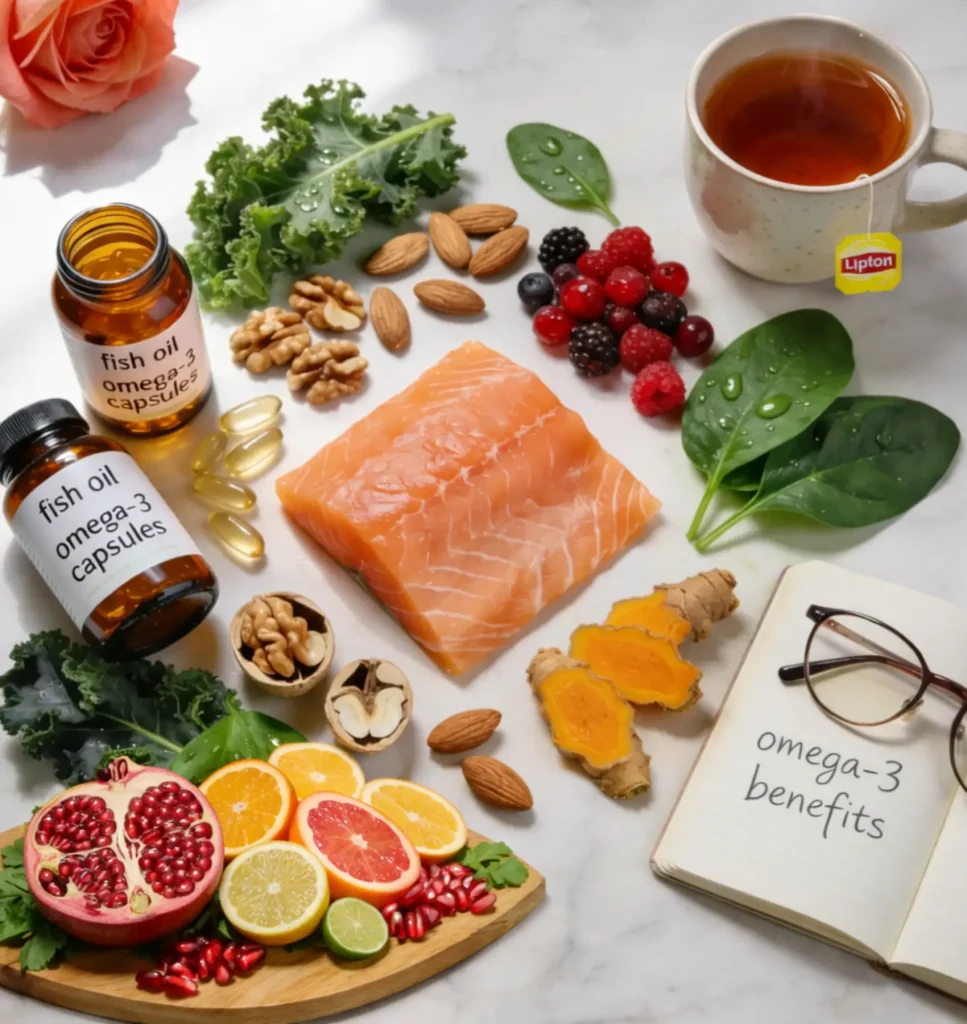
Omega-3 fatty acids from fish oil reduce inflammation throughout your body while improving how efficiently you burn fat. These essential fats help rebalance hormones and improve mood, all of which influence belly fat accumulation. Look for a high-quality supplement providing 1,000-2,000 mg of combined EPA and DHA daily.
How to balance your hormones as a woman
Hormone balance isn’t about returning to your 30s; it’s about supporting your body through this natural transition. When I finally understood this, everything shifted. The goal is to help your body adjust to lower estrogen while keeping other hormones, cortisol, and insulin in healthy ranges.
Prioritizing whole foods creates a strong foundation. Focus on plenty of vegetables, lean proteins, healthy fats from sources like olive oil and nuts, and phytoestrogen-rich foods such as legumes and flax seeds. These plant compounds gently support function without the risks of synthetic hormones.
Specific supplements can further support hormone balance during menopause. DIM (diindolylmethane) at 100-200 mg daily supports healthy estrogen metabolism through your liver, helping reduce estrogen dominance that contributes to midsection fat storage.
Managing stress becomes non-negotiable in our 50s. Chronic stress elevates cortisol, which directly worsens hot flashes, mood swings, and yes, belly fat. I’ve found that even 10 minutes of daily meditation or gentle yoga makes a measurable difference. Ashwagandha and other adaptogenic herbs can also help lower stress hormones naturally.
What to drink to balance hormones
Sometimes the simplest solutions hide in plain sight. What we drink throughout the day significantly impacts our hormonal health, yet most of us don’t think twice about it. Staying properly hydrated forms the foundation, but certain beverages offer extra hormone-balancing benefits.
Green tea ranks as the best hormone-balancing drink because it’s loaded with antioxidants that positively influence female hormone regulation. These antioxidants help reduce insulin and support healthy estrogen levels. The gentle caffeine boost doesn’t hurt either when you’re battling menopause fatigue. I usually have a cup mid-morning and find it helps with both energy and cravings.
Herbal teas deserve a permanent spot in your kitchen. Spearmint and red clover teas contain natural compounds that gently mimic estrogen’s effects. Peppermint and sage teas provide cooling relief during hot flashes. For comprehensive support, look for blends containing herbs like chasteberry that help regulate the entire endocrine system. Learning about drinks that ease menopause symptoms can transform your daily routine.
Probiotic drinks and ginger-based beverages support digestive health while reducing inflammation. A healthy gut is crucial for hormone metabolism. Traditional options like coconut water replenish electrolytes lost during hot flashes. Just avoid the sugary versions; excess sugar disrupts insulin and worsens belly fat issues.
Fruits that balance hormones in females
Nature provides incredible hormone-supporting foods if we know where to look. Certain fruits contain compounds that specifically help regulate female hormones, reduce inflammation, and support metabolic health. Best of all, they’re delicious and easy to incorporate.
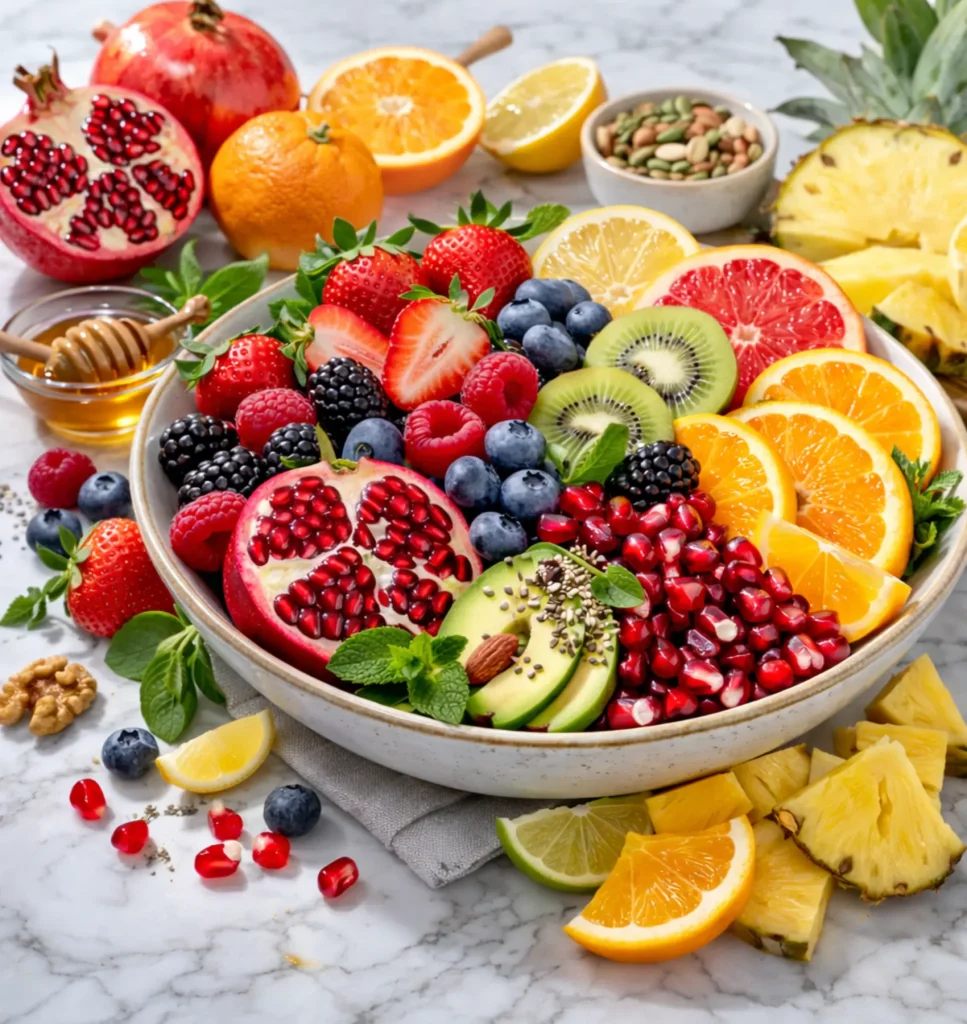
Berries top my list for good reason. Strawberries, blueberries, and raspberries contain antioxidants that fight oxidative stress. Improve adrenal health and reduce cortisol. They also help maintain insulin sensitivity, which is crucial for managing menopause belly fat. The fiber content supports healthy gut bacteria that metabolize hormones properly. I add a handful to my morning yogurt almost every day.
Pomegranates contain natural phytoestrogens that help balance fluctuating estrogen levels. Their powerful anti-inflammatory properties aid overall hormonal regulation and can reduce menopause symptoms. Research shows pomegranate supports estrogen balance while protecting heart health.
Citrus fruits like oranges, lemons, and grapefruits provide vitamin C for adrenal gland function. Your adrenal glands play a significant role in stress response and hormone production during menopause. Citrus also supports cortisol regulation and enhances iron absorption. Important for women dealing with heavy perimenopause periods. Pineapple offers bromelain, an enzyme with anti-inflammatory properties that supports progesterone production.
Incorporating these fruits doesn’t require complicated recipes. A simple fruit salad combining berries, citrus, and pomegranate seeds makes a hormone-supporting snack. Apples, though often overlooked, nourish your gut microbiome to keep hormones in sync. Maintaining strong nutrition becomes even more important as we age; check out these vital vitamins women 50+ need at breakfast to start your day right.
Additional supplements worth considering
Beyond the core supplements, several others show promise for addressing menopause belly fat from different angles. Think of these as your supporting cast, each playing a specific role in your overall wellness strategy.
Curcumin from turmeric acts as a powerful anti-inflammatory agent, improves insulin sensitivity, and eases joint pain. A 2025 study found curcumin supplementation lowered waist-to-hip ratios in menopausal women. For optimal absorption, choose a supplement paired with black pepper extract and take it with meals. Many women dealing with menopause joint pain find curcumin especially helpful.
Vitamin D and calcium work to support metabolism and regulate fat cells. Studies indicate that adequate calcium can increase fat excretion and reduce absorption in your intestines. Since vitamin D deficiency is extremely common in menopausal women and linked to increased belly fat, supplementation becomes crucial. Understanding the optimal vitamin D intake for menopausal women helps you get the dosing right.
Myo-inositol shows impressive results for insulin sensitization, potentially reducing insulin resistance by up to 70% in some women. Combined with chromium (200-400 mcg daily), it enhances insulin sensitivity and stabilizes appetite and cravings. This combination helps manage belly fat and emotional eating by reducing post-meal glucose spikes.
B-complex vitamins support energy metabolism and adrenal health, helping convert food into usable energy. Choose methylated forms for optimal absorption. I’ve noticed better energy levels since adding a quality B-complex to my routine. Green tea extract (EGCG) boosts metabolism and increases fat oxidation, especially when combined with exercise, potentially enhancing fat loss by up to 17%.
What vitamins are good for losing belly fat in females?
When women ask me what vitamins specifically help with belly fat, I explain it’s not quite that simple, but vitamins definitely support the metabolic processes involved in healthy weight management. The key is understanding how these nutrients work together.
B vitamins, particularly B6 and B12, play essential roles in energy production and metabolism. They help your body efficiently convert food into fuel rather than storing it as fat. As we age, B12 absorption naturally decreases, making supplementation more important. Learn more about vitamin B12 and B-complex for women 50+ and why it matters.
Vitamin D does far more than support bone health. Low vitamin D levels correlate with increased abdominal fat accumulation and metabolic dysfunction. Most menopausal women are deficient without realizing it. I recommend getting your levels checked and supplementing accordingly, typically 1,000-2,000 IU daily or as your doctor advises. Knowing the best time to take vitamin D3 and K2 optimizes absorption.
Vitamin C supports adrenal health. Since elevated cortisol directly contributes to belly fat storage, maintaining adequate vitamin C through citrus fruits and supplementation helps. Vitamin E works synergistically with other nutrients to support hormone production and reduce oxidative stress that interferes with metabolism.
The truth is, no single vitamin melts belly fat. But ensuring you’re not deficient in these key nutrients creates the metabolic foundation your body needs to respond to healthy diet and exercise efforts. Many women find that a high-quality multivitamin designed for women over 50 fills nutritional gaps.
Frequently asked questions: Your menopause belly fat questions answered
Moving forward with confidence
Understanding the best supplements for menopause belly fat empowers you to take targeted action rather than feeling helpless about your changing body. I’ve learned that this isn’t about fighting aging; it’s about supporting our bodies through natural transitions with science-backed strategies that actually work.
Start with the fundamentals: consider berberine for insulin sensitivity, magnesium glycinate for stress and sleep, and omega-3s for inflammation. Add hormone-balancing whole foods, stay hydrated with green tea and herbal infusions, and enjoy berries and citrus fruits daily. Most importantly, work with your healthcare provider to create a personalized plan that addresses your specific needs and any medications you’re taking.
Remember, sustainable change happens gradually. What’s one small step you’ll try this week? Whether it’s adding magnesium before bed or swapping your afternoon coffee for green tea, each positive choice supports your body’s natural wisdom. You deserve to feel vibrant and confident in this season of life. For more comprehensive guidance on thriving during menopause, explore strategies that support your entire wellness journey.