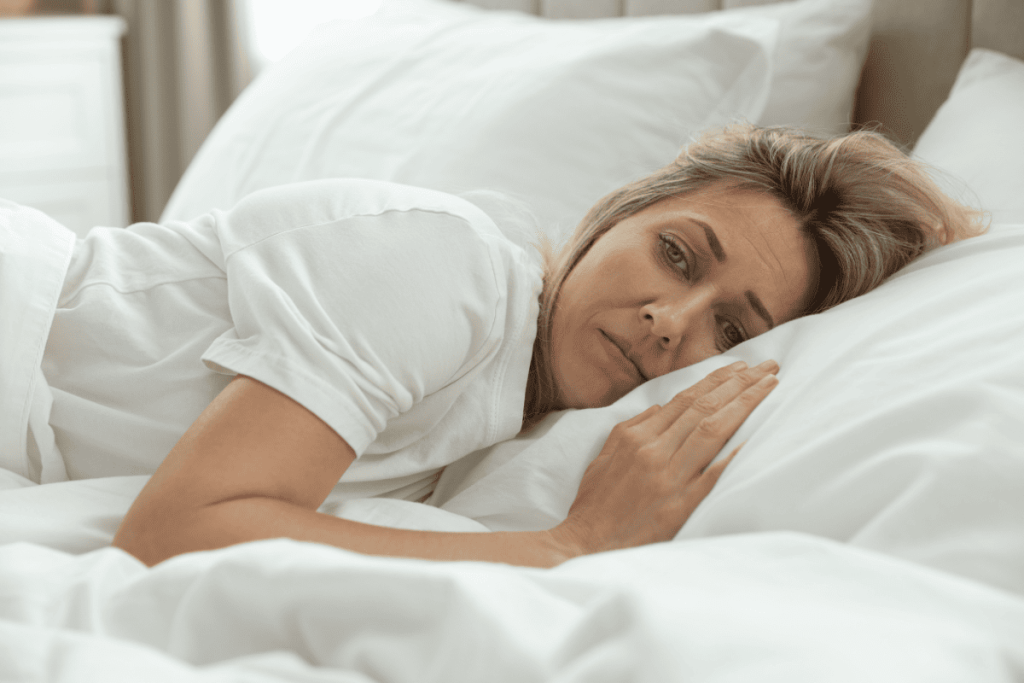
The first panic attack hit me during a presentation at work. My heart pounded so hard I thought everyone in that conference room could hear it. My hands trembled, and sweat beaded on my forehead even though the AC was cranking. At 52, I’d never experienced anything like this before. Later that week, sitting in my doctor’s office trying not to cry, she gently connected the dots between my racing heart and perimenopause. That ten-minute conversation changed everything because suddenly my anxiety menopause experience finally made sense.
Why Your Body Suddenly Feels Like a Stranger
Here’s what’s actually happening inside you, and honestly, once you understand it, the whole experience becomes less frightening. Estrogen doesn’t just regulate your reproductive system. It plays a starring role in producing serotonin and regulating other neurotransmitters that keep you calm and emotionally balanced. When estrogen levels start their unpredictable dance during perimenopause, your brain chemistry shifts dramatically.
Think of it this way. For decades, your body maintained a delicate hormonal orchestra playing in perfect harmony. Now the conductor has left the stage, and your nervous system is scrambling to find the rhythm again. Progesterone, which has natural calming properties similar to anti-anxiety medication, also plummets during this time. This double hormonal hit creates heightened sensitivity to stress, amplified emotional responses, and physical sensations like heart palpitations that can trigger full-blown panic attacks.
Caroline, a 67-year-old from Montana, put it perfectly: “I have dealt with anxiety and depression for much of my life, but the symptoms got worse with perimenopause. My mind is too busy, always worrying”. What makes menopause anxiety particularly unsettling is that it often strikes women who’ve never dealt with mental health issues before. One day, you’re confidently handling everything life throws at you, the next, you’re experiencing overwhelming dread in the grocery store checkout line.
Those night sweats that drench your sheets? They’re not just uncomfortable. They’re robbing you of restorative sleep, and poor sleep makes anxiety significantly worse. It’s a frustrating loop that leaves you exhausted and on edge, short-tempered in ways that feel completely unlike your usual self.
What Anxiety Menopause Actually Looks Like (And Why It’s So Confusing)
Anxiety doesn’t always announce itself with a dramatic panic attack. Sometimes it whispers through constant muscle tension that settles into your neck and shoulders like an unwelcome houseguest. Other times, it shows up as an inability to make simple decisions that never bothered you before, or a nagging feeling that something terrible is about to happen, even when life is going well.
The physical symptoms can be genuinely alarming. Your heart races or skips beats for no apparent reason. You feel short of breath even when you’re sitting on your couch. Chest tightness might send you to the emergency room at 2 AM, convinced you’re having a heart attack. Sweating, nausea, dizziness, and trembling hands become unwelcome companions that show up at the most inconvenient moments.
Many women describe it as “feeling overwhelmed and panicked about anything, even leaving the house”. You might worry obsessively about your health, your relationships, or situations that never fazed you before. One woman shared: “I would have rage within, which wasn’t me normally”. This generalized anxiety means you’re anxious most days for months on end, and it genuinely interferes with enjoying the life you’ve built.
Panic attacks deserve special mention because they’re absolutely terrifying when they strike. Your heart pounds, you can’t catch your breath, your vision narrows, and you’re convinced something catastrophic is happening to your body right now. These episodes typically peak within 10 minutes but leave you shaken and fearful of the next one. The fear of having another panic attack can actually trigger more anxiety, creating yet another exhausting cycle (and trust me, this is one of the cruelest ironies of the whole experience).
Professional Treatments That Actually Work (Not Just Theory)
Cognitive behavioral therapy specifically designed for menopausal symptoms has proven remarkably effective in real-world settings. CBT-Meno helps you identify thought patterns that fuel anxiety and teaches practical strategies to manage worried thoughts before they spiral. The UK’s National Institute for Health and Care Excellence officially recommends CBT as a first-line treatment for anxiety and menopause.
What I genuinely love about CBT is that it gives you tools you can pull out anywhere, anytime. You learn to recognize when your thoughts are spiraling down that familiar anxious rabbit hole and how to redirect them. Multiple studies show that women who complete CBT programs experience significant reductions in anxiety symptoms and overall improvements in quality of life. One therapist specializing in perimenopause panic describes CBT as the “gold standard” for treating panic attacks during this transition.
Hormone replacement therapy can be genuinely life-changing for some women. Recent research suggests that hormones prescribed during perimenopause or early postmenopause have real potential to reduce anxiety. By stabilizing estrogen and progesterone levels, hormone replacement therapy addresses the root hormonal cause affecting your brain chemistry.. A Stanford Medicine expert describes HRT’s ability to steady moods as “simple and life-changing” for many patients.
One woman on Reddit shared her experience: “After starting HRT, I was able to reduce my anxiety medication and cut my antidepressant dosage in half”. However, HRT isn’t suitable for everyone. Women with certain health conditions or risk factors need alternative approaches. The key is having an honest, thorough conversation with your doctor about whether HRT makes sense for your specific situation.
Antidepressants, particularly SSRIs and SNRIs, have shown effectiveness in managing anxiety and menopause symptoms. These medications don’t just address mood issues. They can also alleviate hot flashes and other vasomotor symptoms that contribute to anxiety. Some women benefit from short-term use during the worst of perimenopause, while others find longer-term treatment helpful. Caroline found that combining talk therapy with an antidepressant “plus another prescription to help me sleep” made a significant difference.
Natural Approaches That Make a Real Difference (From Women Who’ve Been There)

Regular exercise isn’t just standard health advice. It’s powerful medicine for anxiety, and the women who’ve embraced it say it changes everything. A comprehensive review of 21 studies involving over 2,000 women found that both low and moderate-intensity physical activity significantly reduced depressive symptoms during and after menopause. Exercise also improves sleep quality and reduces hot flashes, which indirectly helps with anxiety.
Mind-body practices deserve special attention here. Yoga, Pilates, qigong, and tai chi are particularly effective for anxiety and menopause because they combine movement with breath work and mindfulness. These gentle movement practices help you reconnect with your body in a positive way rather than viewing it as something that’s betraying you. As one anxiety specialist notes, yoga and tai chi can really help reduce stress when practiced regularly.
Even something as simple as a daily walk outdoors can genuinely shift your mental state. I’ve found that 30 minutes of morning movement sets a calmer tone for my entire day. You don’t need a gym membership or fancy equipment. Just consistent movement that gets your heart rate up and clears the worry fog from your mind.
Mindfulness practices like meditation and breathing exercises teach you to observe your thoughts and sensations without judgment. One woman who struggled with menopause anxiety shared: “I try to meditate at least 10 minutes a day. The practice doesn’t get rid of my anxiety or worrisome thoughts. It helps me not hold on to them”. Research shows mindfulness can be as effective as CBT for reducing anxiety in menopausal women.
Here’s a breathing technique that actually works when panic strikes: take a slow, deep breath in, hold it for a couple of seconds, then let out a nice, long exhale. “My worst anxiety tends to pass within three, four, or five breaths,” shares one woman who’s mastered this simple tool.
Your diet plays a bigger role than you might think. One woman noticed a dramatic shift when she cut back on processed foods high in sugar and added more lean meats, fish, fruits, vegetables, nuts, and seeds. “I felt 95% better just from changing my diet,” she says. Mediterranean diet for women over 50 supports both brain health and hormone balance..
Sleep hygiene becomes non-negotiable during this transition. Create a cool, dark bedroom environment (seriously, invest in blackout curtains if you need them). Establish a consistent bedtime routine. Try Epsom salt baths before bed to promote relaxation. Better sleep won’t cure anxiety or menopause on its own, but poor sleep absolutely makes everything worse.
Supplements and Herbal Remedies Worth Considering
Magnesium supplementation can help ease both anxiety and sleep difficulties. Many women are deficient in this essential mineral without realizing it. Magnesium supports nervous system function and helps regulate stress hormones. Consider taking it in the evening since it also promotes better sleep (and the calm it brings can feel like a gentle exhale at the end of a tense day).
Ashwagandha, an adaptogenic herb used in traditional medicine for thousands of years, has gained scientific backing for its anxiety-reducing properties. Adaptogens help your body respond more effectively to stress rather than reacting to every little thing like it’s a five-alarm fire. Multiple studies show that ashwagandha can significantly lower anxiety levels in menopausal women.
Black cohosh, a flowering plant with roots in Native American medicine, shows particular promise for anxiety and menopause symptoms. While evidence is mixed for other menopausal complaints, several studies specifically demonstrate its effectiveness for reducing anxiety in women during this transition.
Probiotic supplements might seem like an unexpected solution for anxiety, but emerging research connects gut health with mental health in fascinating ways. Studies show that altered gut microbiota during perimenopause may actually contribute to panic attacks and anxiety. The gut-brain connection is real, and supporting your digestive system can positively influence your mood.
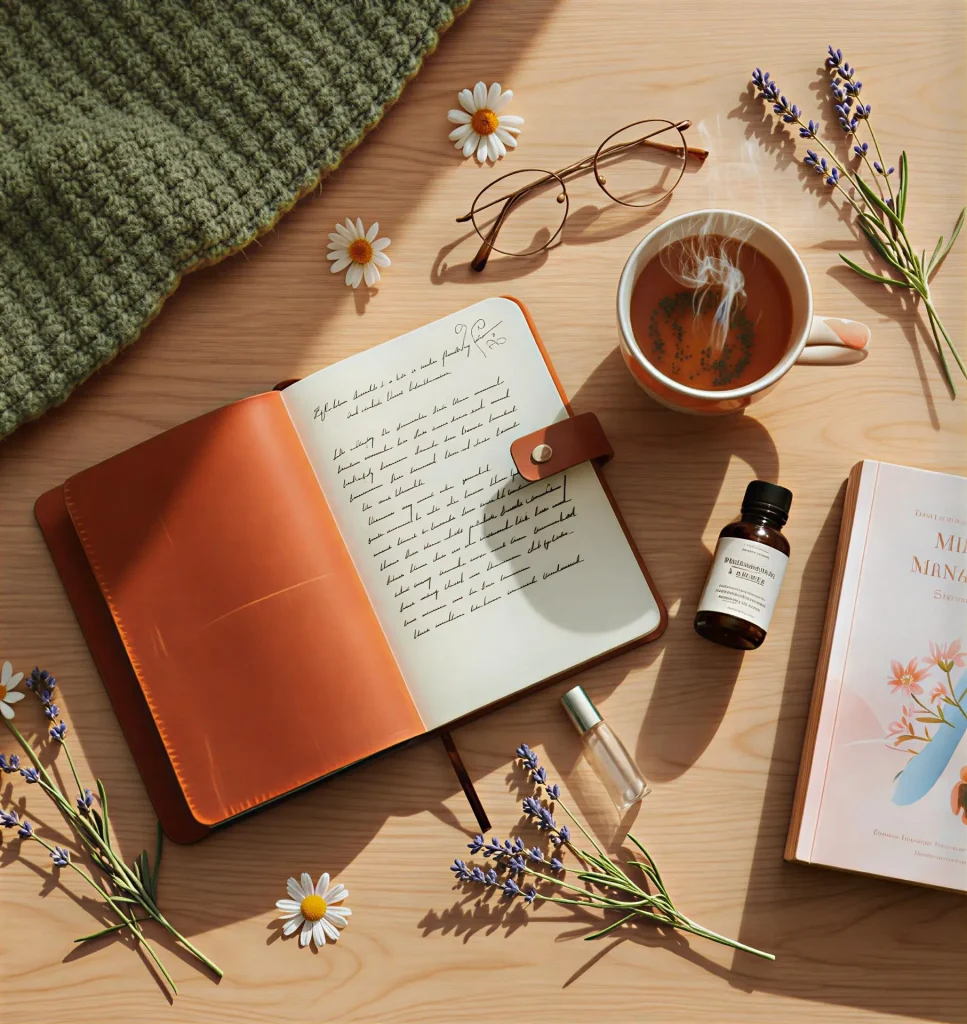
Herbal teas containing relaxing nervines can provide gentle daily support. Look for blends with chamomile, lemon balm, or passionflower. Keeping an aromatherapy roller with calming essential oils like lavender or bergamot in your purse gives you a quick tool when anxiety strikes unexpectedly in the middle of Target.
Always discuss supplements with your healthcare provider, especially if you’re taking other medications. Natural doesn’t automatically mean safe for everyone, and some herbs can interact with prescription drugs in ways you don’t want to discover by accident.
Understanding Your Personal Risk Factors (Knowledge Is Power)
Certain factors make you more vulnerable to anxiety during menopause, and knowing them helps you get ahead of the problem. If you experienced premenstrual dysphoric disorder, postpartum depression, or anxiety and depression earlier in life, you’re more likely to have intense symptoms during this transition. This doesn’t mean you’re doomed to suffer, but it does mean you might benefit from more proactive treatment rather than the wait-and-see approach.
Life circumstances pile on, too. Perimenopause often coincides with major transitions like career changes, caring for aging parents, dealing with your own health concerns, or adjusting to an empty nest. These stressors layer on top of the biological changes happening in your body, creating what one expert called “a perfect storm for panic attacks to emerge”.
The severity of your overall menopausal symptoms often correlates with the intensity of your anxiety. Women experiencing frequent hot flashes, severe night sweats, and significant sleep disruption typically report worse anxiety symptoms. For Caroline, “the sleep part, in particular, really surprised me. With menopause, you always hear about the night sweats and hot flashes. Those symptoms were annoying, but not as bad as the insomnia and anxiety”. This connection matters because treating those physical symptoms can actually reduce anxiety as a welcome side effect.
Age plays a role, too. Women between 40 and 49 have a 3.3% prevalence rate of panic disorder, with 2.4% occurring specifically in women. As life expectancy increases and more women experience extended perimenopausal periods, the incidence of anxiety menopause is rising.
How Long Will This Last (The Question We’re All Asking)
Let’s be honest. Most women experience the worst anxiety during perimenopause, the transitional phase leading up to menopause, when hormone fluctuations are at their most dramatic and unpredictable. This phase typically lasts several years, though the timeline varies significantly from person to person (and isn’t that just the most frustrating answer?).
The encouraging news that keeps me going is that anxiety symptoms often improve once you reach postmenopause and hormones stabilize. For many women, the intense anxiety that characterized perimenopause gradually subsides without intervention. However, some women continue to experience anxiety postmenopause and benefit from ongoing management strategies.
With appropriate treatment, most women see substantial improvement within several months. Hormone replacement therapy typically takes a few months to show full benefits. CBT programs usually run 8 to 12 weeks, with many women reporting significant relief by the end of treatment. Natural approaches like exercise and dietary changes can produce noticeable shifts within weeks (sometimes sooner).
The key is not waiting and hoping it will magically disappear on its own. Early intervention often prevents anxiety from becoming more entrenched and harder to treat. If you’re struggling right now, reach out for help today rather than suffering through years of unnecessary distress.
Frequently Asked Questions About Anxiety and Menopause
Moving Forward with Hope and Support
Anxiety menopause is real, it’s common, and most importantly, it’s treatable. The hormonal changes creating these overwhelming feelings are temporary, even though they don’t feel that way when you’re lying awake at 3 AM with your heart racing. You have more options than you might think to find relief and reclaim your sense of calm.
Start with one small change this week. Maybe it’s finally scheduling that doctor’s appointment you’ve been putting off, trying a 20-minute yoga video on YouTube, or adding a magnesium supplement to your evening routine. Small, consistent actions create meaningful shifts over time. Remember, you’re not just managing symptoms; you’re investing in your mental wellness during a transformative phase of life.
Please consult with a qualified healthcare provider who understands menopausal health and wellness. Your anxiety menopause experience is unique, and you deserve personalized care that addresses both the emotional and physical aspects of this transition. Whether you choose CBT, HRT, natural remedies, or a combination approach, effective support exists, and you don’t have to white-knuckle your way through this alone.
What’s one small step you’ll try this week to ease your anxiety? Share in the comments below. We’re all in this together.