If you are looking for a 7 day diet plan for Hashimoto’s disease after 50, the most useful place to start is not with a long list of forbidden foods. It is with a week of balanced, practical meals that makes eating well feel manageable while you continue the medical care your thyroid needs.
Hashimoto’s disease is an autoimmune condition and a common cause of hypothyroidism. Food cannot cure it or replace thyroid medication when medication is needed, but a well-planned diet can help you meet your nutrition needs and build a routine you can actually sustain. This seven-day plan is designed as a practical starting point, not a treatment or elimination test.
Understanding Hashimoto’s and Why Diet Matters
With Hashimoto’s, the immune system attacks the thyroid gland. If thyroid hormone production falls, symptoms can include fatigue, feeling cold, constipation, changes in weight, dry skin, and difficulty concentrating. Those symptoms can overlap with other conditions, so persistent or changing symptoms deserve medical assessment rather than being blamed on food alone.
There is no single Hashimoto’s diet that has been proven to work for everyone. A more useful goal is nutritional adequacy: enough protein, vegetables and fruit, fiber-rich carbohydrates, healthy fats, and appropriate amounts of nutrients involved in thyroid function. If you take levothyroxine, how you time the medicine around food, coffee, iron, calcium, and some supplements can matter too.
After 50, that balanced approach can do double duty by supporting muscle, bone, heart, and digestive health as well. For the broader food framework we use at Lonage, see what to eat after 50 for energy, strength, and healthy aging.
Foods to Build Your Week Around
Selenium-Rich Foods, Without Overdoing It
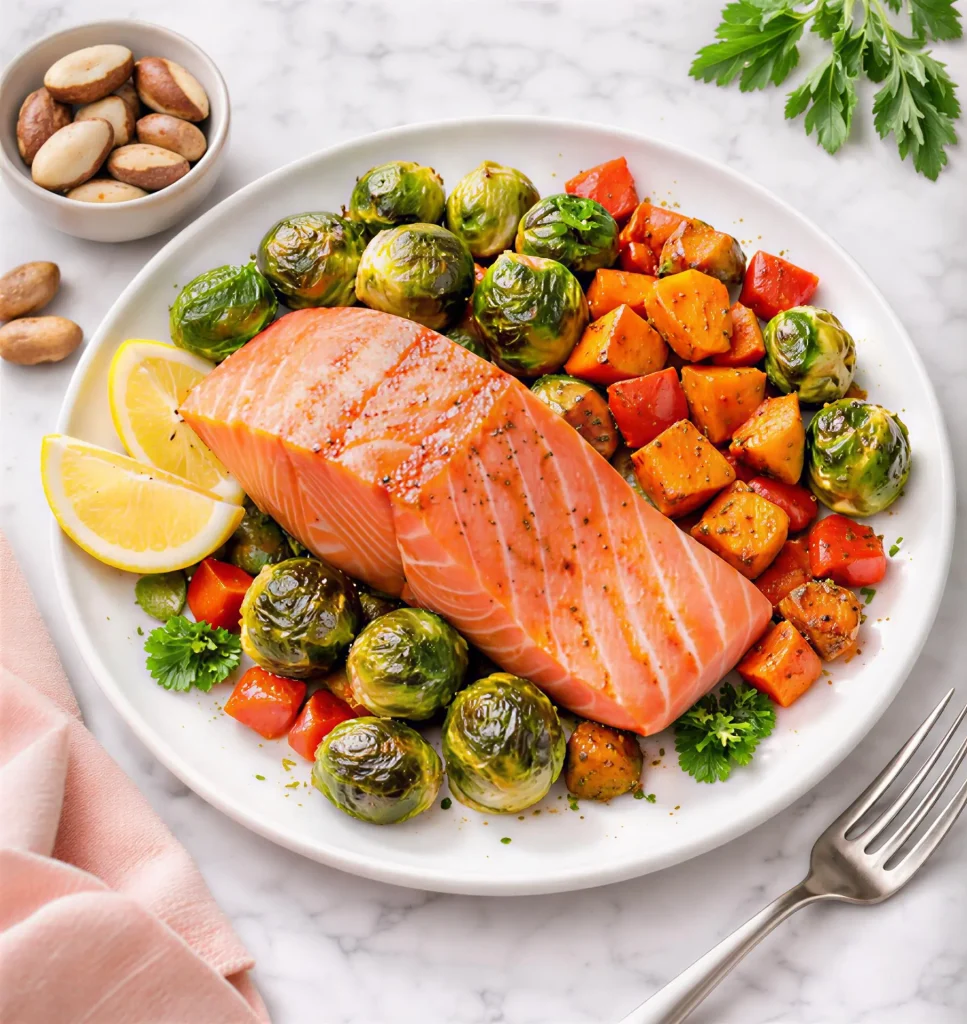
Selenium is involved in normal thyroid function, but more is not better. Seafood, eggs, poultry, meat, and Brazil nuts can provide selenium. Brazil nuts are especially concentrated and their selenium content varies considerably, so they are better treated as an occasional nutrient-dense food than as a precise daily dose. Avoid adding a selenium supplement just because you have Hashimoto’s unless your clinician has identified a reason for it.
Salmon and sardines are useful choices for another reason: they also provide protein and unsaturated fats. Rather than expecting one food to change thyroid symptoms, think about the pattern across the week.
Zinc and Iron Sources
Zinc and iron both participate in normal body processes related to thyroid hormone production and metabolism. Useful food sources include seafood, meat, poultry, beans, chickpeas, pumpkin seeds, and fortified foods. Heme iron from animal foods is generally absorbed more readily than non-heme iron from plant foods; pairing plant sources with vitamin C-rich foods can improve absorption.
Fatigue does not automatically mean an iron or zinc deficiency. If tiredness is persistent, especially if you also have heavy bleeding, digestive symptoms, or a restrictive diet, ask your healthcare provider whether testing is appropriate before starting high-dose supplements.
Vegetables, Fruit, and Fiber-Rich Carbohydrates
Build meals around a variety of vegetables and fruit rather than a narrow list of so-called thyroid foods. Leafy greens, berries, carrots, peppers, broccoli, cauliflower, sweet potatoes, beans, and whole grains can all contribute fiber, vitamins, minerals, and plant compounds to an overall balanced diet.
You do not need to fear broccoli, cauliflower, cabbage, or kale simply because you have Hashimoto’s. Normal food portions can fit into a varied diet. If you have been told to change your iodine intake or have another medical condition that affects what you can eat, follow the individualized advice of your healthcare team.
Foods You Do Not Automatically Need to Eliminate
Gluten: When Avoidance Is Actually Necessary
Hashimoto’s disease is associated with a higher likelihood of other autoimmune conditions, including celiac disease. If you have diagnosed celiac disease, a strict gluten-free diet is medically necessary. But having Hashimoto’s by itself does not mean every woman needs to remove gluten.
If you have ongoing digestive symptoms, unexplained iron deficiency, or another reason to suspect celiac disease, discuss testing with your clinician before starting a gluten-free diet. Removing gluten first can make later evaluation more complicated, and unnecessary restriction can make an already demanding eating routine harder to sustain.
Dairy: Personalize, Don’t Automatically Ban It
Dairy does not need to be removed solely because you have Hashimoto’s. If you tolerate it, foods such as yogurt or milk can contribute protein, calcium, and other nutrients. If you have lactose intolerance, a milk allergy, or another diagnosed reason to avoid dairy, choose suitable alternatives and make sure the replacement still meets your nutritional needs.
Highly Processed Foods: Think Pattern, Not Perfection
A useful goal is to make minimally processed, nutrient-dense foods the foundation of most meals while leaving room for convenience. Foods high in added sugars, sodium, or calories can still fit occasionally. What matters most is the overall pattern, not whether every ingredient passes a purity test.
Your 7-Day Hashimoto’s-Friendly Diet Plan
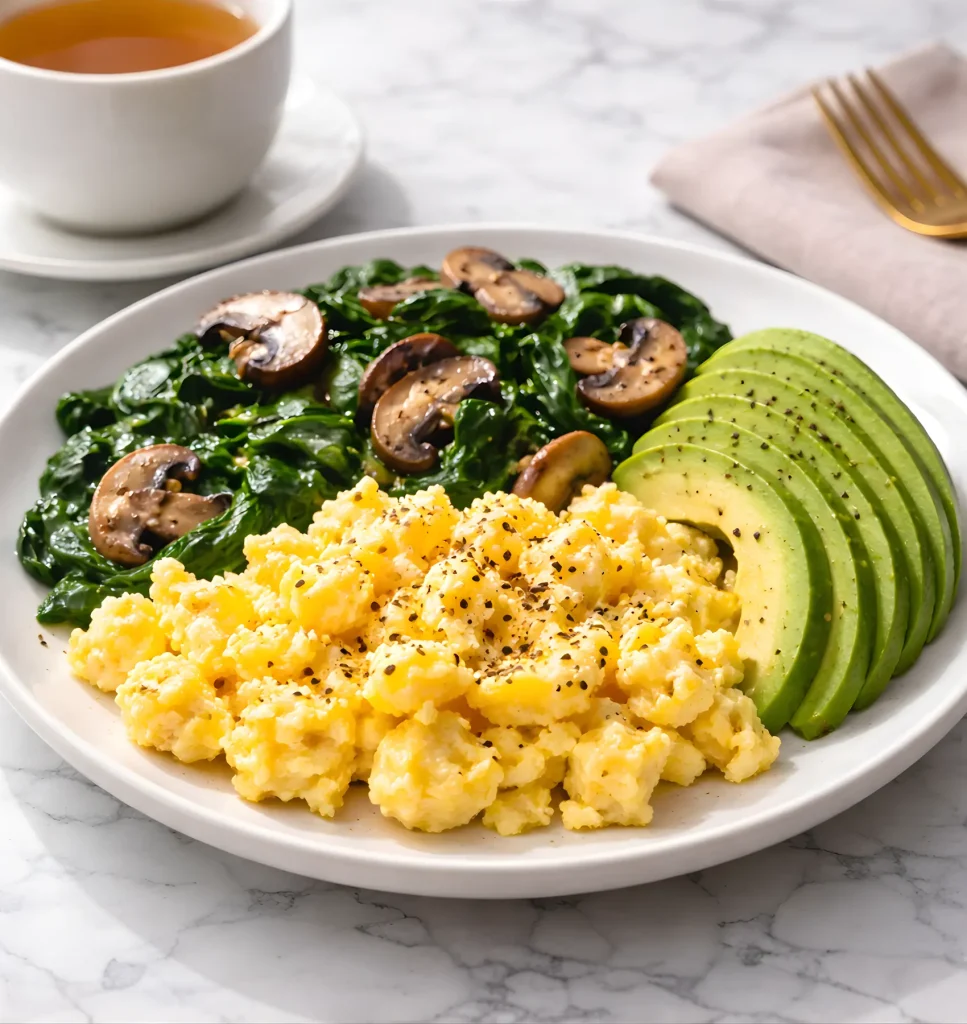
This plan uses ordinary foods and flexible portions. Adjust amounts to your appetite, energy needs, allergies, preferences, and any medical nutrition advice you have been given. If you have celiac disease, use certified gluten-free versions of grains and packaged foods where needed.
Day 1: A Balanced Start
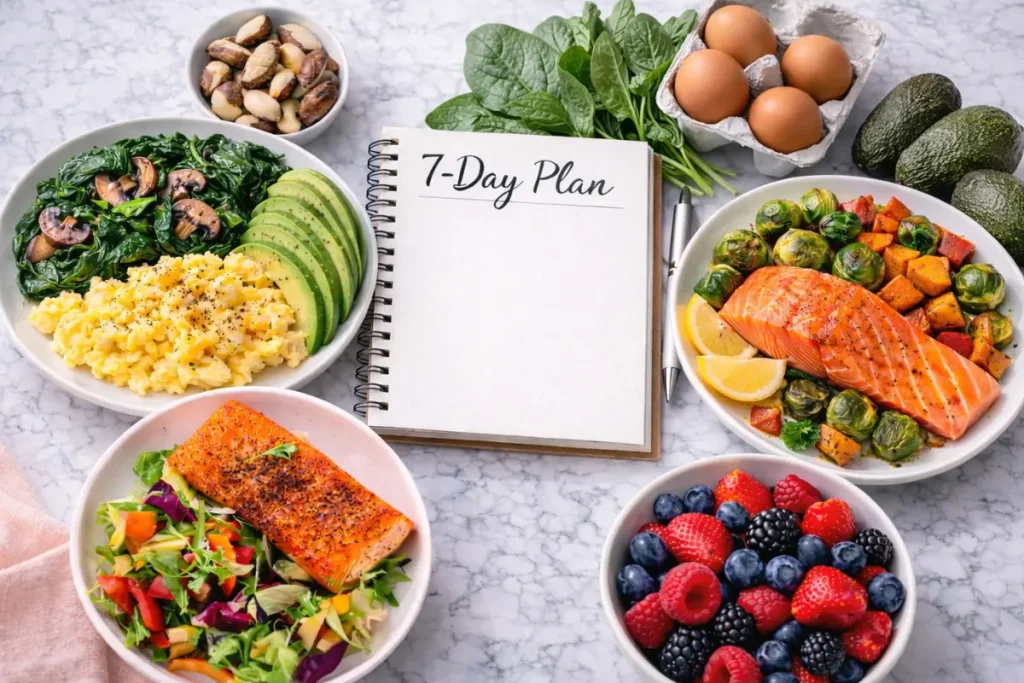
Breakfast: Scrambled eggs with sautéed spinach and mushrooms, avocado, and a piece of fruit.
Lunch: Grilled chicken salad with mixed greens, carrots, cucumber, olive oil and lemon, with a small baked sweet potato.
Dinner: Baked salmon with roasted Brussels sprouts and quinoa.
Snack: Apple slices with almond butter.
Day 2: Protein and Color
Breakfast: Plain Greek yogurt or a fortified dairy-free alternative with berries, ground flaxseed, and pumpkin seeds.
Lunch: Turkey and vegetable soup with carrots, celery, zucchini, and a side of whole-grain or gluten-free crackers if appropriate for you.
Dinner: Beef and vegetable stir-fry with broccoli, bell peppers, and snap peas over brown rice.
Snack: Carrot and cucumber sticks with hummus.
Day 3: Fiber and Healthy Fats
Breakfast: Oatmeal topped with blueberries, walnuts, and cinnamon; use certified gluten-free oats if required.
Lunch: Tuna and white bean salad with tomatoes, cucumber, parsley, and olive oil.
Dinner: Roasted chicken thighs with green beans and mashed cauliflower or potatoes.
Snack: Pear with a small handful of walnuts.
Day 4: Plant-Forward Variety
Breakfast: Vegetable omelet with tomatoes, spinach, and herbs, served with berries.
Lunch: Lentil bowl with roasted vegetables, quinoa, leafy greens, and tahini-lemon dressing.
Dinner: Baked cod with roasted carrots, broccoli, and brown rice.
Snack: Plain yogurt or a fortified dairy-free alternative with sliced fruit.
Day 5: Simple Mediterranean-Inspired Meals
Breakfast: Overnight oats with chia seeds, berries, and plain yogurt or a fortified dairy-free alternative.
Lunch: Chickpea, cucumber, tomato, parsley, and olive oil salad with a boiled egg.
Dinner: Grilled chicken with roasted zucchini, peppers, and a baked potato.
Snack: Orange with a small handful of unsalted nuts.
Day 6: Easy Meals for a Busy Day
Breakfast: Whole-grain toast or an appropriate gluten-free alternative topped with avocado and egg, plus fruit.
Lunch: Leftover chicken and quinoa bowl with mixed vegetables and olive oil dressing.
Dinner: Sardines or salmon with white beans, sautéed greens, tomatoes, and herbs.
Snack: Bell pepper slices with hummus.
Day 7: Finish With Foods You Can Repeat
Breakfast: Greek yogurt or a fortified dairy-free alternative with oats, berries, and pumpkin seeds.
Lunch: Salmon or chickpea salad over mixed greens with cucumber, carrots, avocado, and olive oil dressing.
Dinner: Turkey meatballs or lentil patties with tomato sauce, roasted vegetables, and quinoa or whole-grain pasta.
Snack: Fresh fruit with a small handful of nuts or seeds.
The point of the week is not to eat seven “perfect” days. It is to identify meals you enjoy, repeat the combinations that make life easier, and build a varied eating pattern that works alongside your medical care. If you want to compare this condition-specific plan with broader approaches used after 50, our diet protocols for women over 50 guide explains where different eating patterns fit and where restrictive rules need caution.
If You Take Thyroid Medication, Meal Timing Matters
Levothyroxine absorption can be affected by food and by products containing iron or calcium. Coffee and soy can also matter for some formulations or routines. Many people are instructed to take levothyroxine on an empty stomach and wait before breakfast, but your own prescription instructions should come first because formulations and schedules can differ.
Do not change your dose, stop your medication, or move supplements around based only on a meal plan. If your breakfast includes calcium, iron, coffee, soy, or a supplement and you are unsure how far apart it should be from your medicine, ask your pharmacist or clinician for timing instructions specific to your prescription.
Practical Tips for Making the Week Easier
Prep Components, Not Seven Perfect Meals
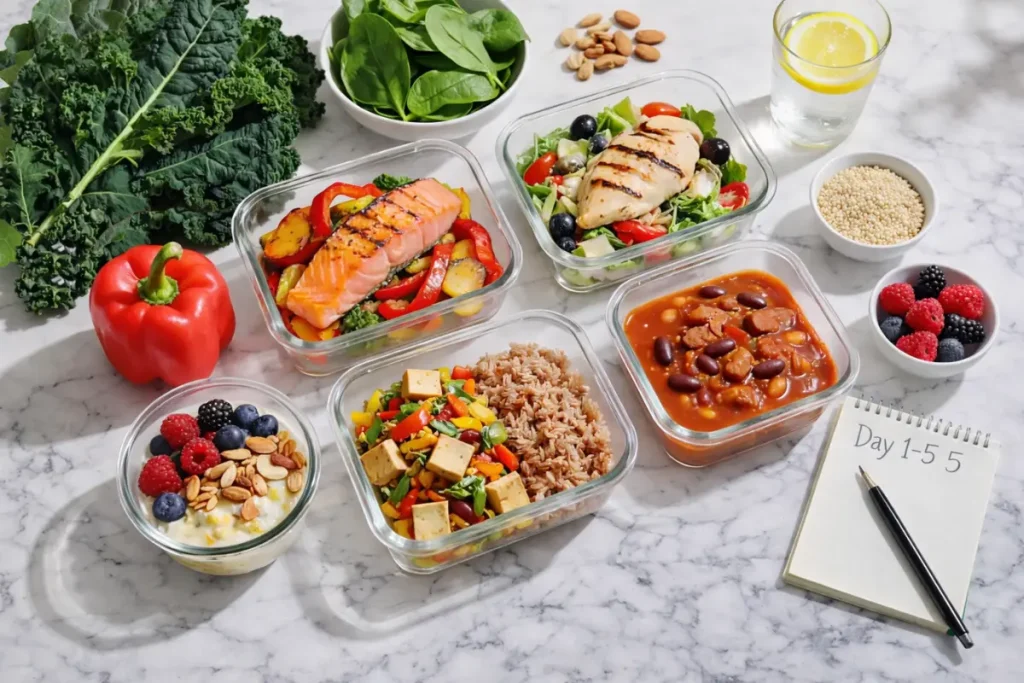
Cook one or two proteins, a batch of quinoa or brown rice, and a tray of vegetables. Wash fruit and greens, boil a few eggs, and keep a simple dressing ready. You can then assemble meals in minutes without eating exactly the same thing every day.
Stock for This Plan
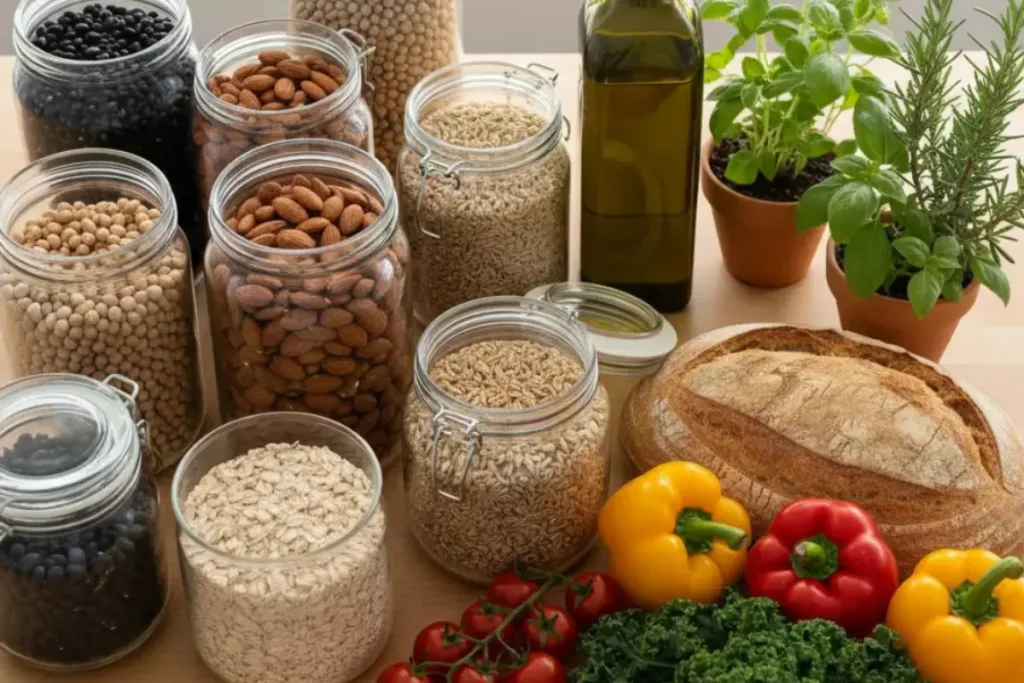
Useful staples include olive oil, oats, quinoa or brown rice, canned fish, beans or lentils, nuts and seeds, frozen vegetables, berries, eggs, and herbs or spices you enjoy. Choose dairy or fortified dairy-free alternatives according to your tolerance and nutritional needs.
Personalize for Your Medical Needs
This sample week is not appropriate for every medical situation. Celiac disease, food allergies, diabetes, kidney disease, digestive disorders, pregnancy, and medication interactions can all change what belongs on your plate. A registered dietitian or your healthcare team can adapt the plan when those factors apply.
Stay Hydrated Without Chasing a Magic Number
Keep water available throughout the day and drink according to thirst, activity, climate, and any medical guidance you have been given. Tea and other unsweetened drinks can also contribute to fluid intake. If caffeine affects your sleep or makes you feel jittery, adjust the amount or timing.
What Seven Days Can—and Can’t Tell You
Seven days can tell you whether these meals are practical, which combinations keep you satisfied, what you enjoy cooking, and where your routine needs simplifying. Keeping a short note about meals, medication timing, hunger, digestion, and energy can help you spot patterns worth discussing with your healthcare team.
Seven days cannot prove that a food is causing an autoimmune reaction, show that your thyroid function has improved, or tell you that your medication dose should change. Thyroid treatment is monitored with symptoms, clinical assessment, and blood tests over an appropriate period, not by how you feel after a few meals.
If you feel worse, develop new symptoms, or are struggling with a highly restrictive diet, do not keep eliminating foods on your own. The better next step is to review the pattern with a qualified healthcare professional and look for causes that food alone cannot explain.
Frequently Asked Questions
Can diet alone manage Hashimoto’s disease?
Diet is not a replacement for medical evaluation or thyroid hormone treatment when hypothyroidism requires it. A balanced diet can support overall nutrition and help address individual dietary needs, while your healthcare provider monitors thyroid function and treatment.
Do I need to avoid soy products with Hashimoto’s?
Not automatically. Soy can be part of a balanced diet, but it may affect the absorption of levothyroxine when consumed too close to the medication. Follow the timing instructions for your prescription and ask your pharmacist or clinician if soy is a regular part of your meals.
How long before I notice improvements in my symptoms?
There is no reliable food-based timeline for Hashimoto’s symptoms. Changes in fatigue, weight, mood, or digestion can have many causes. Thyroid function is assessed with your clinical picture and appropriate blood testing, so persistent symptoms should be discussed with your healthcare provider rather than used as proof that a diet is working.
Can I drink coffee on a Hashimoto’s diet?
Coffee does not need to be banned because you have Hashimoto’s, but it can affect levothyroxine absorption when taken too close to the medicine. Follow the instructions for your specific prescription and ask your pharmacist or clinician about the timing that fits your routine.
What about iodine supplements for Hashimoto’s?
Do not start an iodine supplement simply because you have Hashimoto’s. Large amounts of iodine can worsen hypothyroidism in people with autoimmune thyroid disease. Your needs also differ during pregnancy, so discuss iodine supplements and high-iodine products with your healthcare provider.
Moving Forward With Confidence
A 7 day diet plan for Hashimoto’s disease is most useful when it makes everyday eating simpler, not when it creates a new list of foods to fear. Keep the meals that fit your life, swap the ones you dislike, and aim for variety rather than perfection.
If you want to track the week, keep it simple: note what you ate, when you took thyroid medication, and any questions you want to raise at your next appointment. That record is more useful than trying to diagnose food sensitivities from normal day-to-day changes in energy or digestion.
Most importantly, keep your thyroid care anchored in appropriate medical follow-up. Your healthcare provider can monitor thyroid levels, review persistent symptoms, and adjust medication when clinically indicated. Food can support a healthy routine, but it should not carry the burden of treating Hashimoto’s on its own.