Menopause after 50 lifestyle changes were the moment I didn’t expect to redefine everything, but they did. I remember the morning it truly began. I stood in front of the mirror, exhausted after another restless night, sensing something had shifted inside me. It wasn’t loud or dramatic. It was quiet, subtle, yet impossible to ignore. Sleep disruption, sudden heat, emotional waves… all signs that my body was asking for a new way of living.
At first, I dismissed it. Stress, I told myself. But deep down, I knew. One morning, during a hot flash in my kitchen, it became undeniable: this phase required a new menopause after 50 lifestyle, and more importantly, I wasn’t alone.
Menopause after 50 lifestyle is not about restriction; it’s about realignment. It’s a biological transition and an opportunity to rebuild your energy, confidence, and vitality with the right daily habits.
Menopause After 50 Lifestyle: What Changes in Your Body and How to Adapt
Understanding the changes of menopause helps you adapt your lifestyle with confidence.
Perimenopause and Lifestyle Adjustments Before 50
- Lasts 4–10 years
- Hormones fluctuate, especially estrogen
- Symptoms include irregular cycles, irritability, hot flashes, insomnia, and anxiety
Many women begin adjusting to their menopause after 50, lifestyle during this phase, without even realizing it, perimenopause symptoms guide
Menopause Stage and Lifestyle Shifts After 50
- Defined as 12 consecutive months without periods
- Hormone levels stabilize at a lower baseline
- Energy, metabolism, and sleep patterns change
At this stage, adopting a supportive menopause after 50 lifestyle becomes essential. Post-Menopause Lifestyle Focus
- Hormones remain low but stable
- Focus on long-term health: bones, heart, brain
Common Challenges That a Menopause After 50 Lifestyle Can Improve
A well-adapted menopause after 50 lifestyle can help manage the most common symptoms.
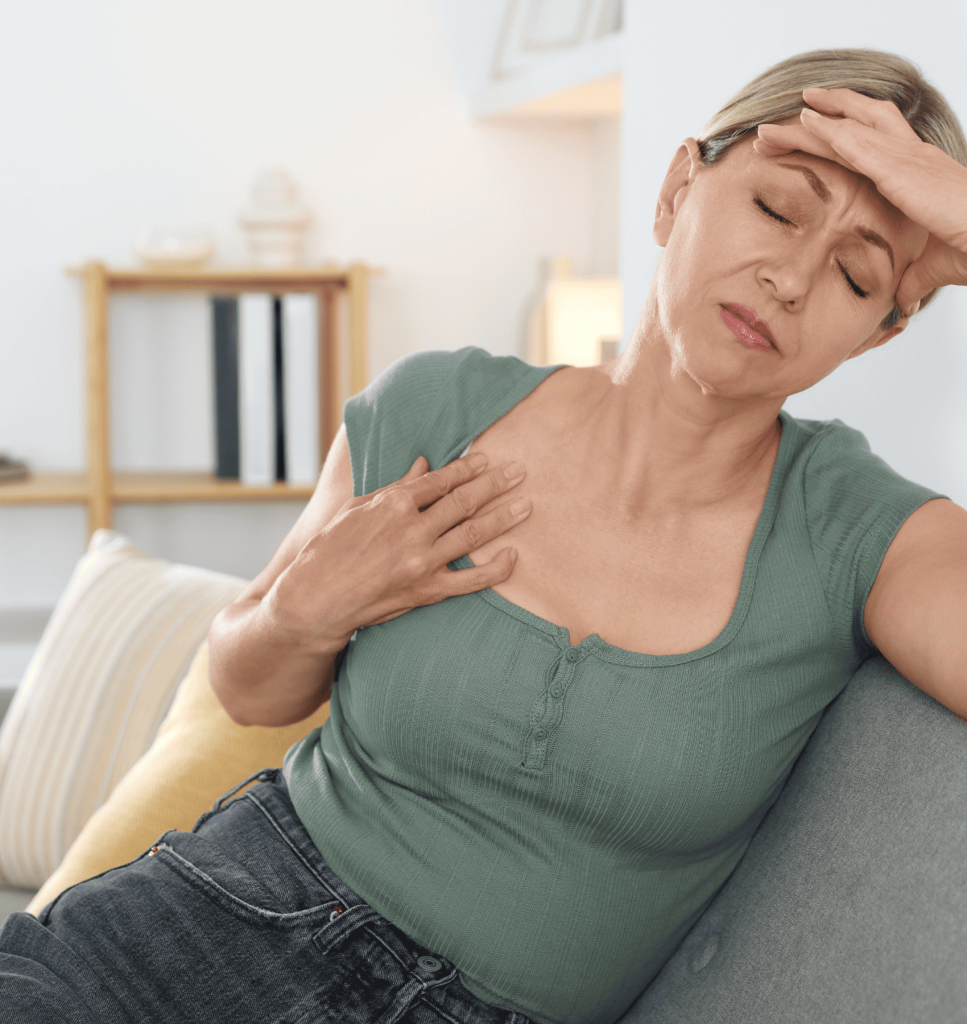
- Hot flashes and night sweats.
- Weight gain, especially abdominal: Metabolism slows, insulin resistance increases
- Sleep disturbances: Melatonin fluctuations, hormone shifts, stress
- Mood swings and anxiety: Estrogen loss affects mood-regulating neurotransmitters
- Brain fog: Hormones influence memory, focus, and cognitive clarity
- Low libido and vaginal dryness: Reduced estrogen and testosterone levels
Hot flashes during menopause. Understanding these changes helps you build a lifestyle that works with your body,not against it. These are normal measurable biological changes; accepting them is the first step toward empowerment. Understanding menopause over 50 symptoms is the first step toward taking back control.
How to relearn your body during menopause after 50, lifestyle
Your body has changed—but this is your opportunity to create a lifestyle that supports it.
Core Habits of a Healthy Menopause After 50 Lifestyle
- Strength training to maintain muscle and metabolism
- Balanced nutrition with protein and healthy fats
- Mindfulness practices to reduce stress
- Daily movement like walking, swimming, or yoga
- Tracking symptoms to understand patterns
Small daily habits are the foundation of a successful menopause after 50 lifestyle. old, and vitality.
California: inspired lifestyle habits for menopause after 50 lifestyle
Even if you don’t live in California, these habits bring its sun-filled, active, fresh-food benefits to your daily life

Morning Sunlight
Ten minutes of vitamin D improves sleep and mood. Personally, I noticed my energy and emotional stability improved dramatically with consistent sunlight exposure.
Mediterranean-style Eating
Fresh vegetables, fatty fish, olive oil, nuts, and herbs support hormone balance, heart health, and energy. Reduces inflammation and helps manage weight
Movement and Strength Training
Walking, hiking, yoga, swimming, or Pilates. Strength training 2–3 times per week preserves muscle, bones, metabolism, and confidence in your body.
Stress Management
Journaling, coastal or nature walks, meditation, or yoga reduces cortisol, improves sleep, and stabilizes mood. In my personal experience, daily walks along the beach have been my greatest mental reset.
Cooling Rituals
Layered clothing, fans, cold showers, hydration, and deep breathing techniques help hot flashes become more manageable.
Managing Common Symptoms with Lifestyle Shifts
- Hot flashes: Peppermint or sage tea, fans, hydration, and cooling exercises
- Sleep issues: Fixed bedtime, cool dark bedroom, avoid screens an hour before bed
- Weight changes: Protein at every meal, daily movement, limit sugar and refined carbs
- Mood swings: Omega-3 supplements, sunlight, exercise, and social connection
These small, daily changes over time create noticeable improvements in energy, mood, and overall well-being.
- Hormone therapy (HRT) can be safe, effective, and tailored to your needs
- Many women, including my friends, have found short-term therapy combined with lifestyle changes to be life-changing for mood and energy
- Communication with your partner is crucial; intimacy can evolve in new, fulfilling ways
Menopause is a rebirth of identity:
- Recalibrate priorities, explore new hobbies, and engage socially
- Many women feel freedom and clarity for the first time
- Personal growth, wisdom, and self-knowledge flourish
- It’s not an ending, it’s a new chapter of empowerment and thriving wellness
One client shared, “Menopause gave me a chance to finally choose joy daily, without guilt or hesitation.” These stories are proof that menopause can be vibrant, fulfilling, and
Menopause is a transition, not a decline. With the right lifestyle, mindset, and guidance:
- You can feel energetic, confident, and vibrant
- You can support mood, heart, bones, sleep, and energy naturally
- You can embrace freedom, self-discovery, and purpose
Menopause isn’t the end. It’s a beginning. What’s one small step you’ll take this week to feel more vibrant? Share in the comments and start your journey.
Frequently asked questions
What happens during menopause?
Menopause over 50 is a natural biological transition when your body stops menstruation and hormone levels, especially estrogen, decline. This phase can affect sleep, mood, metabolism, and energy levels, but with the right lifestyle, many women regain balance and vitality.
What are the most common symptoms of menopause?
The most common menopause over 50 symptoms include:
Hot flashes and night sweats
Weight gain, especially around the abdomen
Sleep disturbances
Mood swings and anxiety
Brain fog and reduced concentration
Low libido
These symptoms vary from woman to woman, but are
How long does menopause last?
Menopause itself is officially reached after 12 months without a period, but symptoms of menopause over 50 can last several years. Some women experience them for 4–10 years, especially during perimenopause and early post-menopause.
How can I boost energy during menopause?
To improve energy during menopause after 50:
Eat a balanced, protein-rich diet
Exercise regularly (especially strength training)
Get daily sunlight exposure
Prioritize sleep and stress management
Small daily habits can significantly increase energy levels over
Can menopause cause weight gain?
Yes, menopause over 50 often leads to weight gain due to hormonal changes and a slower metabolism. Fat tends to accumulate around the abdomen, but regular exercise and a balanced diet can help manage weight effectively.
Is menopause the same for every woman?
No, every menopause over 50 experience is unique. Genetics, lifestyle, stress levels, and overall health all contribute to the development and intensity of symptoms.
Can you feel normal again after menopause?
Yes. Many women feel even better after menopause once they adapt their lifestyle. With the right habits, it’s possible to regain energy, confidence, and emotional balance.
For related guidance in this topic, see Adding Life to Your Years and Healthy Aging for Women Over 50.
For broader guidance on this topic, explore our healthy aging after 50 hub.