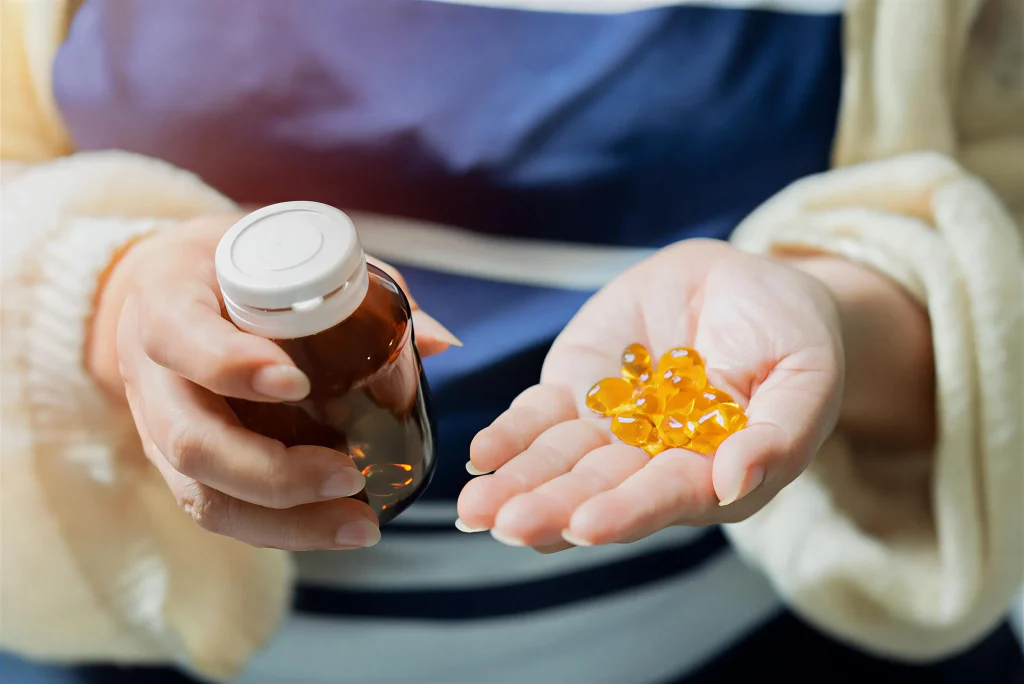

I remember the morning I woke up and couldn’t make a fist without wincing. My knees creaked like an old door, and my shoulders felt like they’d turned to stone overnight. “Is this really happening?” I asked myself. Turns out, I wasn’t alone over 50% of women going through menopause experience joint pain, and many of us have no idea it’s connected to our changing hormones. The good news? The right supplements for menopause joint pain can make a remarkable difference. After researching the science and talking with countless women navigating this same journey, I’ve discovered that targeted nutrition isn’t just helpful, it can be genuinely life changing. Let me share what actually works.
Why Your Joints Are Screaming During Menopause
Here’s something most doctors don’t explain clearly: your joints are absolutely packed with estrogen receptors. When our estrogen levels drop during perimenopause and menopause, these receptors essentially go into crisis mode. Estrogen helps maintain cartilage, keeps synovial fluid flowing smoothly, and reduces inflammation throughout your body.
Without adequate estrogen, your body becomes less efficient at retaining water, which directly impacts how well your joints stay lubricated. Think of it like a door hinge that’s run out of oil, suddenly every movement creates friction and discomfort. Your cartilage, ligaments, and tendons all suffer when they’re not properly hydrated. We discuss this in “Menopause After 50.
The neck and shoulder connection is particularly frustrating. Many of us notice increased tension in our trapezius and levator scapulae muscles as hormone levels shift. Combined with stress, poor sleep from night sweats, and the postural changes that come with age, it’s no wonder our upper bodies feel like they’re staging a revolt.
The Science-Backed Supplements That Actually Help
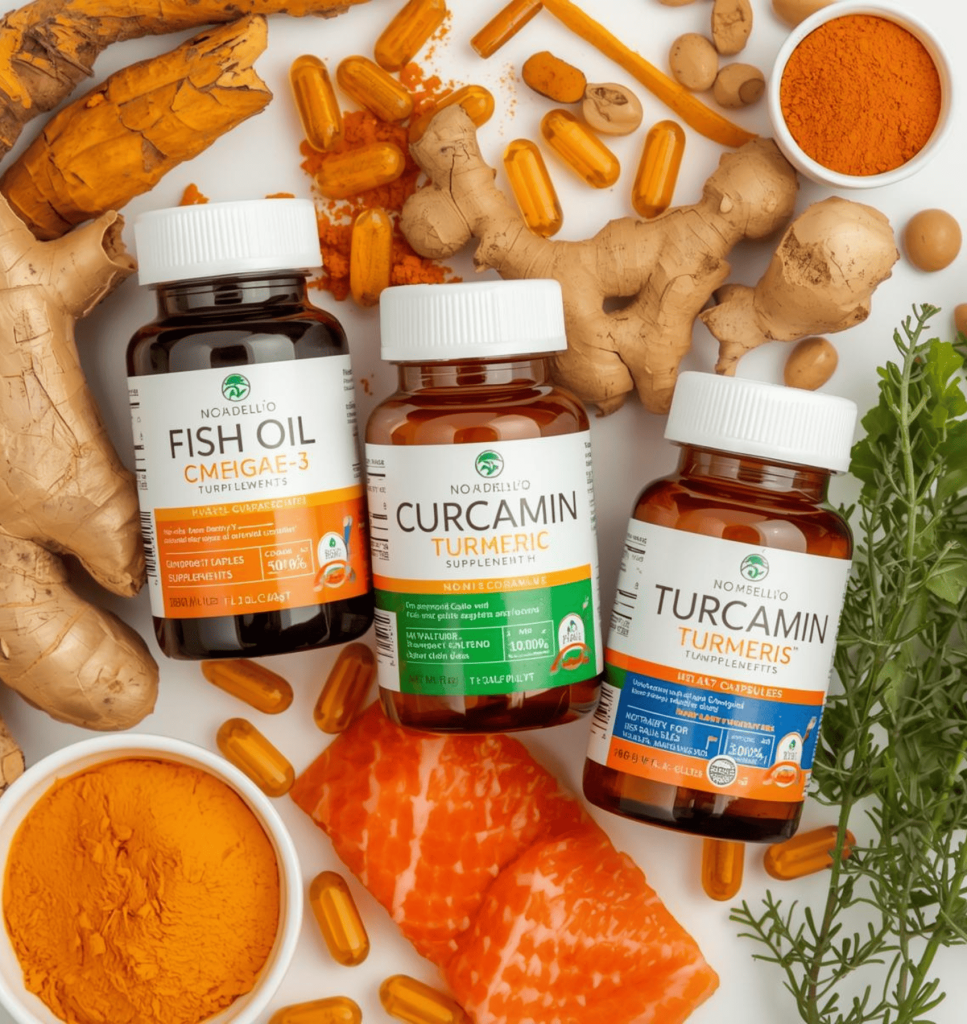
After diving deep into the research, I’ve found six supplements with genuine scientific support for easing menopause joint pain. These aren’t magic pills, but they can make mornings significantly more comfortable.
Omega-3 Fatty Acids are my personal go-to recommendation. These essential fats reduce inflammation throughout your body, and research shows they can significantly ease joint pain and stiffness. Fish oil supplements containing EPA and DHA are particularly effective because they help calm the inflammatory processes that contribute to joint discomfort.
Vitamin D does double duty it helps your body absorb calcium for bone health while also fighting inflammation. Here’s the catch: it mainly helps if you’re deficient. Having your levels checked before supplementing makes sense, especially since lower vitamin D has been linked to increased joint pain in postmenopausal women.
Turmeric (Curcumin) has impressed me with its research backing. Studies show it improves knee pain in people with osteoarthritis, which becomes more common after menopause. Look for high-quality supplements containing up to 95% curcumin, ideally paired with black pepper to boost absorption. Taking 500-2,000 mg daily with a meal (especially one containing some fat) gives the best results.
More Supplement Options Worth Considering
MSM (Methylsulfonylmethane) might sound like a chemical nightmare, but it’s actually an anti-inflammatory compound your body produces naturally. Research involving people over 50 found that taking 1,200 mg daily for 12 weeks significantly improved joint pain, stiffness, and swelling. Some studies used higher doses (up to 6,000 mg daily) with even better results for knee osteoarthritis.
Magnesium is the unsung hero of joint health. It reduces inflammation and helps prevent cartilage breakdown exactly what we need as our estrogen levels decline. Many of us don’t get enough magnesium from diet alone, making supplementation particularly valuable during menopause.
Ginger offers anti-inflammatory benefits similar to turmeric but with its own unique compounds. Women find it especially helpful for joint stiffness that’s worse in the morning. You can take it as a supplement or incorporate fresh ginger into your daily routine through tea or cooking.
Vitamin K shows promise for protecting against osteoarthritis, though researchers need to conduct more studies. It’s crucial for building both bone and the cartilage that cushions your joints. While the evidence isn’t as strong as for other supplements, vitamin K’s role in bone health makes it worth considering as part of a comprehensive approach.
What Really Helps Joint Pain During Menopause (Beyond Supplements)
I’m going to be honest with you supplements work best when they’re part of a bigger picture. The women I know who’ve found lasting relief combine smart supplementation with lifestyle changes that support joint health.
Movement matters more than you’d think. I know it hurts to move when your joints are screaming, but gentle, regular activity actually helps. Low impact exercises like swimming, walking, or yoga keep joints flexible and reduce stiffness without adding strain. The key word is “gentle” we’re not training for marathons here.
Hydration is non-negotiable. Remember how I mentioned estrogen helps your body retain water? When those levels drop, we need to be even more intentional about staying hydrated. Aim for plenty of water throughout the day to keep your joints properly lubricated.
Your diet plays a starring role too. Anti-inflammatory foods like fatty fish, leafy greens, berries, and whole grains can significantly reduce joint discomfort. Meanwhile, soy products containing isoflavones may offer estrogen-like effects that help ease menopausal symptoms, including joint pain. Think tofu, tempeh, and edamame worked into your regular meals.
Understanding Stiffness and Where It Strikes
Low estrogen doesn’t just cause general achiness it creates specific patterns of stiffness that many of us recognize immediately. Morning stiffness is the classic calling card. You wake up feeling like you’ve aged 30 years overnight, and it takes 20-30 minutes of movement before things start loosening up.
Neck and shoulder pain deserves special attention because it’s so common yet often dismissed. Yes, menopause absolutely can cause neck and shoulder pain. The combination of declining estrogen (which affects muscle and connective tissue flexibility), increased stress responses, sleep disruptions, and postural changes creates a perfect storm in your upper body.
Weight changes during menopause can add another layer of complexity. Additional weight, particularly in the upper body, alters your biomechanics and increases strain on your cervical spine and supporting structures. Plus, fat tissue produces inflammatory compounds that can worsen discomfort in areas already sensitized by hormonal changes.
Creating Your Personal Relief Plan
So where do you start? I suggest beginning with the supplements that have the strongest research backing: omega-3s, vitamin D, and turmeric. Give your body at least 8-12 weeks to respond these aren’t painkillers that work instantly. They’re building blocks that help your body heal and reduce inflammation over time.
Quality matters tremendously when choosing supplements. Look for products that list specific amounts of active ingredients (like 95% curcumin in turmeric supplements or specific EPA/DHA amounts in fish oil). Third-party testing certifications add an extra layer of confidence.
Consider talking with your healthcare provider about whether hormone replacement therapy might be appropriate for you. While we’re focusing on supplements here, it’s worth knowing that addressing the root cause declining estrogen can be remarkably effective for joint pain. Many women find that combining HRT with targeted supplements provides the most comprehensive relief.
Track your symptoms in a simple journal. Note which joints hurt, when pain is worst, what makes it better or worse. This information helps you see patterns and measure whether your supplement regimen is actually working.
Frequently Asked Questions
What helps joint pain during menopause?
A combination approach works best for most women. Science-backed supplements like omega-3 fatty acids, vitamin D, turmeric, and magnesium reduce inflammation and support joint health. Pair these with gentle regular movement, staying well-hydrated, eating anti-inflammatory foods, and getting quality sleep. Many women also find relief through hormone replacement therapy, which addresses the root cause declining estrogen levels.
What is the best supplement for menopause joint pain?
Omega-3 fatty acids consistently show the strongest evidence for reducing menopause-related joint pain. These essential fats calm inflammatory processes throughout your body, easing pain and stiffness. Turmeric (curcumin) comes in as a close second, with studies showing significant improvement in knee pain and osteoarthritis symptoms. Most women get better results combining multiple supplements rather than relying on just one, since joint health depends on various nutritional factors working together.
Can menopause cause neck and shoulder pain?
Absolutely yes. Declining estrogen affects the flexibility of muscles and connective tissues throughout your body, including those supporting your neck and shoulders. The trapezius and levator scapulae muscles become less flexible and more susceptible to tension and irritation. This problem intensifies when you add in the sleep disruptions, stress responses, and postural changes that commonly accompany menopause. Many women notice their neck and shoulder pain worsens during times when hormonal shifts are most pronounced.
Can low estrogen cause stiffness?
Yes, low estrogen directly causes stiffness in multiple ways. Estrogen receptors are abundant in your joints, cartilage, ligaments, and tendons. When estrogen drops, these tissues become less flexible and more prone to inflammation. Additionally, estrogen helps regulate your body’s fluid levels, without adequate estrogen, your body retains less water, which reduces joint lubrication. This is why so many of us experience that characteristic morning stiffness where our joints feel frozen until we’ve moved around for a while.

Joint pain during menopause isn’t something you have to just “live with” or accept as inevitable. While our changing hormones create real challenges for our joints, targeted supplements for menopause joint pain, particularly omega-3s, vitamin D, and turmeric offer genuine, science-backed relief. Combined with gentle movement, smart nutrition, and proper hydration, you can reclaim the comfort and mobility that lets you fully enjoy this chapter of life.
What’s one small step you’ll try this week? Maybe it’s adding an omega-3 supplement to your morning routine, or committing to that gentle yoga class you’ve been considering. Share your experience in the comments below, we’re all learning together, and your insights might be exactly what another woman needs to hear.