The sky darkens to pewter gray. You haven’t checked the weather app, but your knees already know.
That deep, familiar ache starts creeping in, settling into your joints like an unwelcome houseguest. You used to think you were imagining it. Maybe you felt a bit crazy mentioning it to friends. But here’s what I’ve learned after years of research and living in this body: you’re not imagining anything.
The connection between weather and joint pain is real, scientifically proven, and more importantly, manageable. I’m going to share seven secrets that have transformed how I navigate rainy seasons. Not just coping strategies, but actual life changing approaches that give you back control.
Why Your Body Becomes a Storm Predictor (And Why It Happens Before the Rain)
Here’s something fascinating that blew my mind when I first understood it.
Your joints start hurting before the first raindrop falls. Sometimes a full day or two in advance. You’re not psychic. You’re experiencing what scientists call barometric pressure sensitivity.
As a storm system approaches, atmospheric pressure begins dropping. Think of the air around you as a gentle, constant pressure holding everything in your body in place. When that pressure decreases, the tissues inside your joints tendons, muscles, scar tissue expand slightly.
It’s subtle. We’re talking tiny shifts.
But when you have arthritis, previous injuries, or inflamed joints, even microscopic expansion creates noticeable pain. The swollen tissues press against nerve endings. Those nerves send urgent messages to your brain: “Something’s wrong here.”
The synovial fluid in your joints reacts too. This clear, viscous liquid normally cushions bones and helps them glide smoothly past each other. When barometric pressure drops, the fluid’s consistency changes. It becomes less effective at its job, creating more friction and inflammation.
That’s why you can predict rain with remarkable accuracy. Your body detects atmospheric changes that weather instruments measure in millibars. At sea level, normal pressure sits around 1013 millibars. When a low-pressure system moves in, that number drops. Your joints feel it immediately.
Research published in the Journal of Rheumatology found strong correlations between pressure changes and osteoarthritis pain. Women with rheumatoid arthritis, psoriatic arthritis, or lupus often experience even more intense reactions because their immune systems are already creating baseline inflammation.
Previous injuries matter too. That knee surgery from ten years ago? The scar tissue responds dramatically to pressure shifts. Old fractures, torn ligaments, even healed sprains can suddenly announce themselves when storms approach.
The Leg Pain Mystery: Why Your Legs Ache Differently
Let me tell you about last Tuesday.
The forecast called for afternoon showers, but by 6 AM my legs felt heavy, achy, almost flu-like. Not just my knees, my entire legs, from hips to ankles. Sound familiar?
Leg pain during rainy weather operates on multiple levels. Yes, the barometric pressure affects knee joints. But there’s more happening.
Your muscles tighten in response to cooler temperatures. Rain typically brings temperature drops, even in California. Those cooler conditions cause muscle fibers to contract, reducing flexibility. Suddenly your legs feel stiff, resistant to normal movement.
Tendons throughout your legs expand when pressure drops. These tough, fibrous tissues connecting muscles to bones contain fluid. When atmospheric pressure decreases, those fluids expand slightly. The expansion creates tension along the entire length of your legs.
Humidity plays a sneaky role too. Rainy weather brings elevated humidity levels. That moisture in the air contributes to swelling in joints and surrounding soft tissues. Your legs literally hold more fluid, creating that heavy, achy sensation.
Circulation changes matter. Cold, damp weather can reduce blood flow to extremities. Less blood flow means less oxygen reaching muscle tissues, which translates to cramping and discomfort.
Women over 50 often experience this more intensely because of hormonal changes affecting tissue elasticity and inflammation responses. Our bodies don’t bounce back from weather challenges as quickly as they once did.
The psychological component deserves mention too. Rainy days affect mood. Reduced sunlight impacts serotonin levels. When you’re feeling low or stressed, you become more aware of physical discomfort. Pain perception actually increases when your mental state suffers.
Understanding the Barometric Pressure Pain Scale
Knowledge is power, especially when it comes to managing chronic discomfort.
The barometric pressure pain index gives you a framework for tracking and understanding your pain patterns. This tool helps correlate weather data with your personal experience, transforming you from passive sufferer to active participant in your health.
Standard barometric pressure at sea level measures 1013 millibars (or 29.92 inches of mercury). Pain sensitivity typically increases when pressure drops below 1010 millibars. Some women report significant discomfort with even smaller changes drops of just 5-7 millibars trigger symptoms.
The WOMAC index (Western Ontario and McMaster Universities Arthritis Index) provides a standardized way to evaluate pain, stiffness, and physical function. Healthcare providers use this extensively for hip and knee osteoarthritis assessment. You can use modified versions to track your own patterns.
Here’s what tracking reveals:
High pressure days (above 1020 millibars) generally bring relief. Your joints feel better, movement comes easier. These are your “seize the day” moments.
Stable pressure (1010-1020 millibars) offers manageable conditions. You might notice mild discomfort but nothing debilitating.
Dropping pressure (1005-1010 millibars and falling) signals warning time. This is when you implement prevention strategies before pain peaks.
Low pressure (below 1005 millibars) typically brings the worst symptoms. These are your heat therapy, gentle movement, extra self-care days.
Several smartphone apps now sync with local weather stations, tracking barometric pressure in real time. I use one that sends alerts when pressure drops rapidly. This advance warning lets me adjust plans, prepare treatments, and avoid unnecessary struggle.
Your personal pain scale matters more than any standardized measure. Rate your pain 1-10 each morning. Note the barometric pressure. After a few weeks, patterns emerge. You’ll discover your unique threshold, the pressure point where pain becomes problematic.
Secret 1: Master the Art of Heat Therapy
This transformed everything for me. Everything
Heat therapy isn’t just comfort it’s science backed pain management. When applied correctly, heat penetrates deep into tissues, increasing blood flow, relaxing muscles, and reducing inflammation signals to your brain.
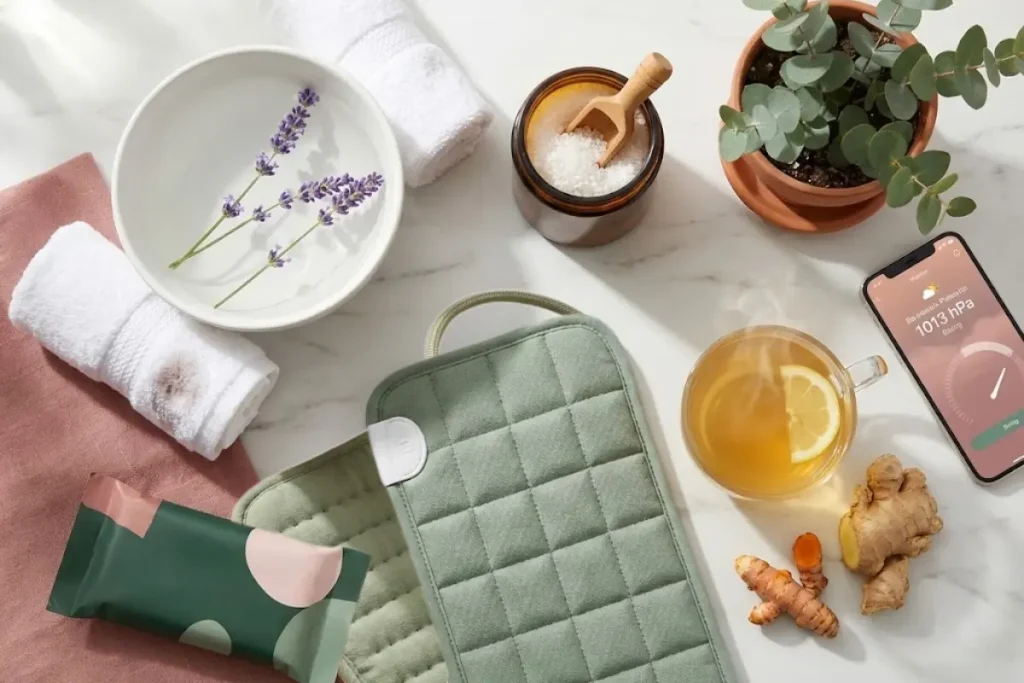
Moist heat works better than dry heat. The moisture helps warmth penetrate deeper. Here’s my morning routine on predicted rainy days:
I wet a bath towel with hot water as hot as I can comfortably touch. Wring it out partially so it’s damp but not dripping. Fold it and place it over my troublesome knee or shoulder. Cover it with a dry towel to trap the heat. Set a timer for twenty minutes. Breathe deeply. Let the warmth work its magic.
The sensation is immediate. That tight, clenched feeling starts releasing. Muscles soften. The deep ache becomes more manageable.
Epsom salt baths deserve their own paragraph. The combination of heat and magnesium sulfate (Epsom salt) creates dual benefits. I draw a warm bath, not scalding, just soothingly warm. Add two cups of Epsom salt. Soak for at least twenty minutes.
The magnesium absorbs through skin, potentially helping with muscle tension. The warm water increases circulation. The buoyancy takes weight off joints. It’s like hitting reset on your body.
Heating pads offer convenience for targeted relief. I keep one beside my favorite chair. When barometric pressure drops, I place it on my lower back or knees while reading or watching television. The consistent, gentle warmth maintains muscle relaxation.
Microwavable heat packs filled with rice or flaxseed provide portable relief. I heat mine for ninety seconds, check the temperature, and apply where needed. They conform to body contours better than rigid heating pads.
Timing matters. Apply heat before pain peaks. When you know a storm’s approaching, start heat therapy early. Prevention beats treatment.
Secret 2: Move Before the Storm Hits
Every instinct tells you to curl up and stay still when joints ache. That instinct lies.
Gentle movement before weather changes prevents the worst stiffness. I learned this the hard way waiting until pain arrived always made recovery harder.
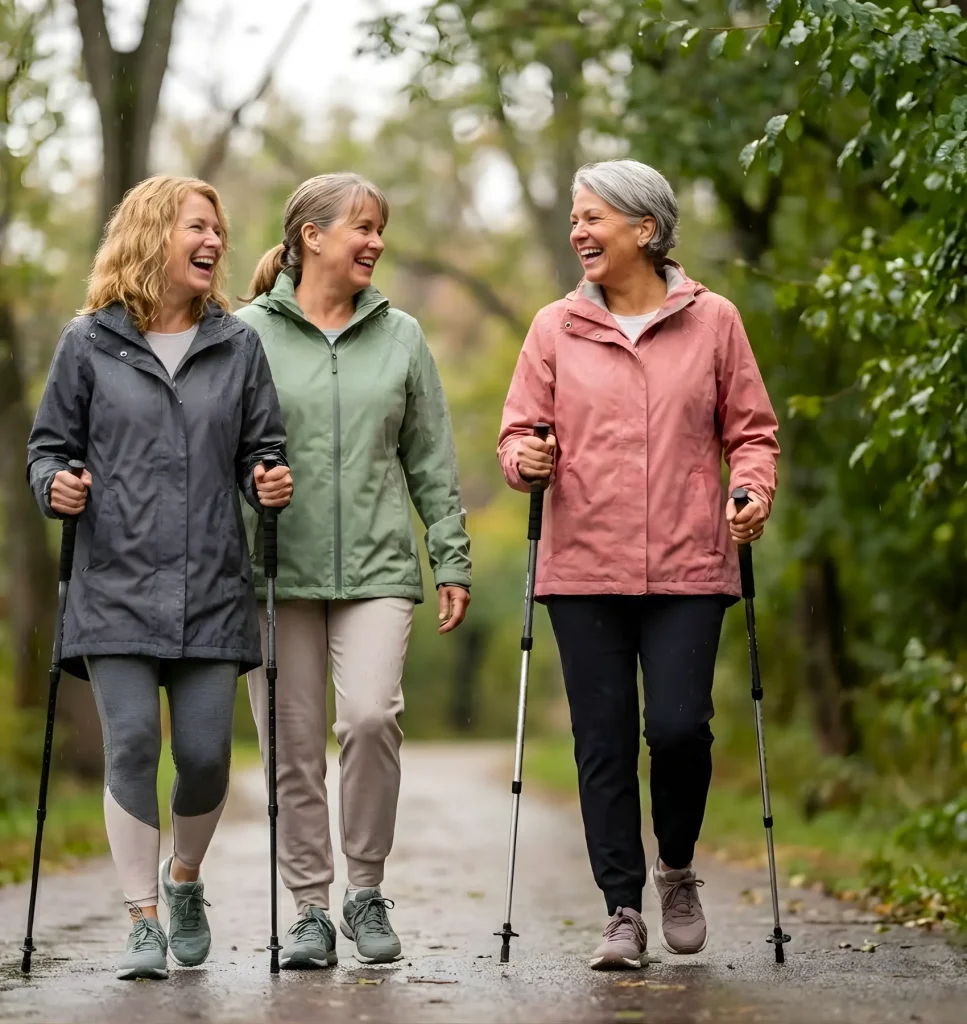
Low-impact exercises maintain joint flexibility without adding stress. Walking tops my list. Even fifteen minutes around the neighborhood makes a measurable difference. The rhythmic movement pumps synovial fluid through joints, maintaining lubrication.
When rain’s already falling, I walk anyway. Proper rain jacket, waterproof shoes, and I’m out there. The fresh air lifts my mood. The movement eases stiffness. The accomplishment boosts confidence.
Swimming and water aerobics offer ideal conditions. The buoyancy removes gravitational pressure while providing gentle resistance. Many community pools offer senior-friendly classes specifically designed for joint health.
Yoga has become my secret weapon. Not intense, pretzel-twisting yoga. Gentle, mindful stretching that honors where my body is today. Modified poses that support rather than challenge. The combination of stretching, breathing, and mindfulness addresses both physical and emotional aspects of pain.
Range of motion exercises take five minutes but deliver significant benefits. Ankle circles, knee bends, shoulder rolls, hip rotations. Moving each joint through its full range maintains flexibility and reduces stiffness accumulation.
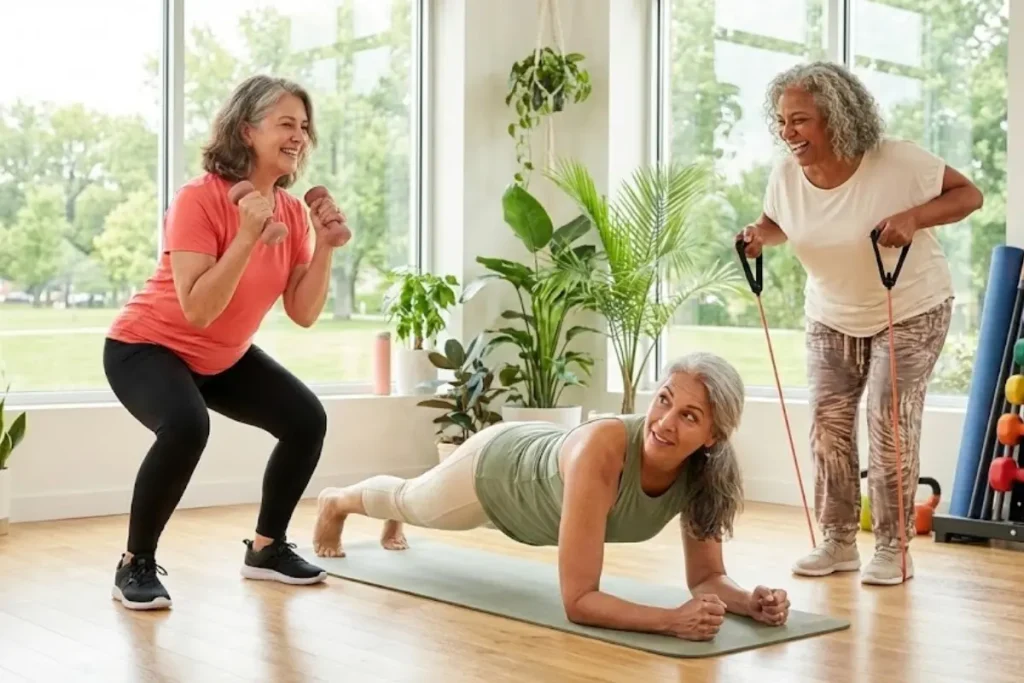
Strength training matters more than you might think. Building muscles around joints provides better support and stability. I use light weights or resistance bands twice weekly. The stronger my muscles, the less stress my joints endure.
Listen to your body. Some days require gentle walks. Other days allow for longer, more vigorous activity. The key is consistent movement, not athletic achievement.
Secret 3: Feed Your Joints the Right Fuel
What you eat directly impacts inflammation levels and joint health.
After tracking my diet and pain levels for months, I discovered undeniable patterns. Days filled with anti inflammatory foods brought less pain. Days featuring processed foods and sugar brought more discomfort.
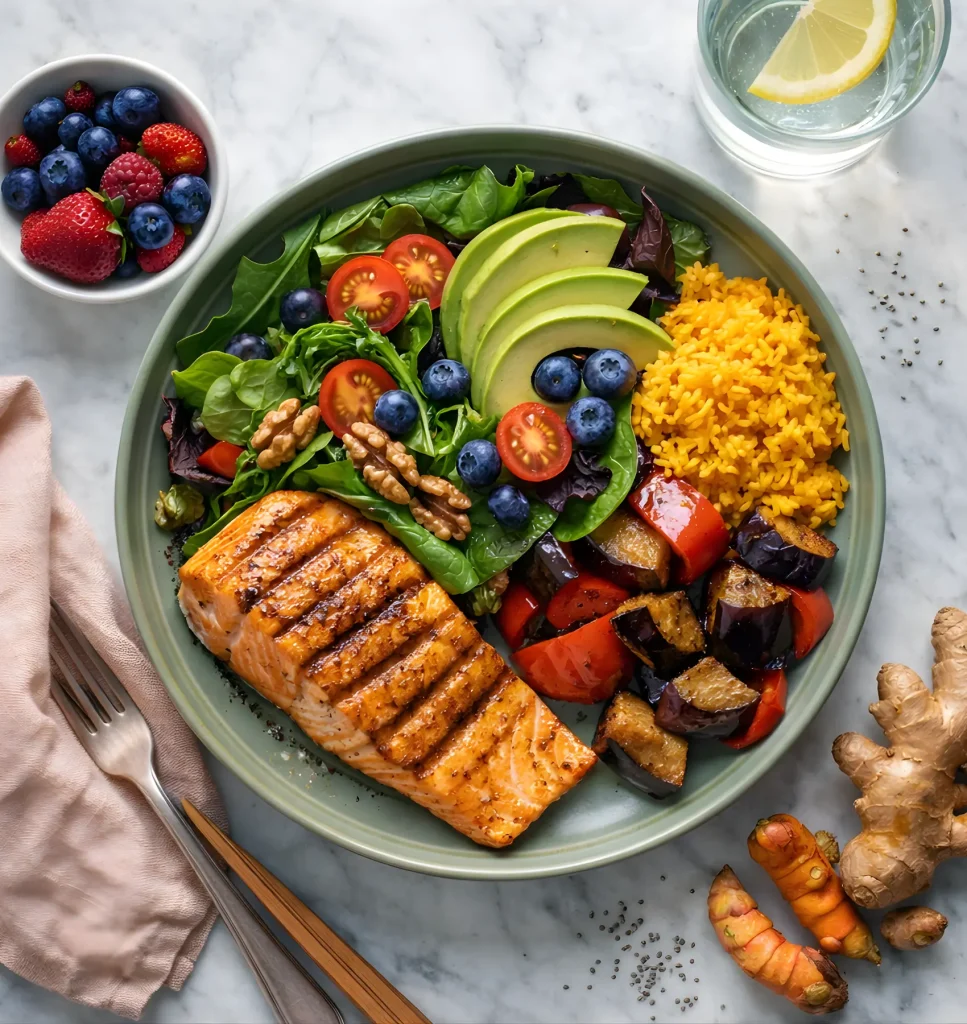
Omega-3 fatty acids fight inflammation at the cellular level. Wild caught salmon, sardines, mackerel these become staples. I aim for fatty fish three times weekly. The difference is remarkable.
If fish isn’t your preference, walnuts, chia seeds, and flaxseeds provide plant based omega 3s. I add ground flaxseed to morning smoothies. Walnuts make perfect afternoon snacks.
Colorful vegetables deliver powerful antioxidants that calm inflammatory responses. Leafy greens like spinach and kale. Bright peppers in red, yellow, orange. Deep purple eggplant. I fill half my plate with vegetables at every meal.
Berries deserve special mention. Blueberries, strawberries, blackberries; they’re packed with anthocyanins that reduce inflammation. I keep frozen berries on hand for easy access.
Turmeric and ginger contain compounds with proven anti-inflammatory effects. I add turmeric to scrambled eggs, soups, and roasted vegetables. Fresh ginger goes into tea, stir-fries, and homemade salad dressings.
Hydration affects synovial fluid consistency. When you’re dehydrated, that crucial joint lubricant thickens, increasing friction. I drink water throughout the day eight glasses minimum, more when active.
Foods to limit: processed sugars, refined carbohydrates, excessive red meat, and trans fats. These promote inflammation and counteract all your good efforts.
Green tea offers antioxidant benefits. I’ve replaced my afternoon coffee with green tea. It’s become a comforting ritual that also supports joint health.
Bone broth provides collagen and minerals that support joint tissue. I make large batches, freeze portions, and use it as soup base or drink it straight with herbs.
Secret 4: Fix Your Vitamin Deficiencies
This secret changed my baseline pain level dramatically.
When my doctor tested my vitamin D, the results shocked me. Despite living in California, I was significantly deficient. Turns out, sunscreen, indoor lifestyles, and aging skin all reduce vitamin D production.
Vitamin D does far more than support calcium absorption. It modulates immune function and reduces inflammatory responses. Low levels correlate with increased joint pain and arthritis progression.
After supplementing for three months, my weather related pain decreased noticeably. Not eliminated but definitely reduced. On a pain scale, I went from 7s to 4s on bad weather days.
Magnesium deficiency contributes to muscle tension and cramping. These muscle issues create additional stress on joints. I started taking magnesium glycinate before bed. Not only did it help with joint discomfort, but I also sleep better.
Vitamin D3 and magnesium work synergistically. Taking them together enhances absorption and effectiveness. I take 2000 IU of D3 with 400mg of magnesium daily. Your needs might differ blood tests reveal your specific requirements.
Vitamin K2 deserves mention too. It works with D3 and calcium to ensure minerals go to bones rather than soft tissues. I get K2 from fermented foods and supplements.
Don’t skip the testing step. Taking random supplements without knowing your levels wastes money and potentially creates imbalances. A simple blood panel reveals exactly what you need.
Food sources matter too. Fatty fish provides vitamin D. Leafy greens, nuts, and seeds offer magnesium. I focus on food first, supplements second.
Within six weeks of addressing my deficiencies, I noticed changes. Better energy. Less baseline achiness. Improved mood. The weather still affects me, but I’m working from a stronger foundation.
Secret 5: Create Your Weather-Proof Environment
Your home environment significantly impacts how weather changes affect you.
Temperature consistency matters more than I realized. Letting my house cool down overnight, then heating it in the morning created temperature swings that aggravated joint stiffness.
Now I maintain steady temperatures. My thermostat stays at 68-70°F day and night. The consistency helps my body avoid temperature shock and muscle tightening.
Strategic layering keeps joints warm and supported. I wear lightweight thermal leggings under pants on cooler days. A soft scarf protects my neck and shoulders. Compression sleeves on knees provide warmth and gentle support.
Humidity control helps during rainy seasons. Too much humidity contributes to swelling and stiffness. A dehumidifier in the bedroom maintains ideal levels (30-50%). My joints feel noticeably better in properly humidified air.
Sleeping arrangements impact morning stiffness. I use extra pillows to support joints overnight. A pillow between knees prevents hip strain. A body pillow provides full-length support. Memory foam mattress toppers cushion pressure points.
Footwear matters indoors too. Walking barefoot on cold floors tightens leg muscles. I wear supportive slippers with cushioning and arch support. This simple change reduced my morning leg achiness significantly.
Lighting affects mood, which affects pain perception. During rainy periods with less natural light, I use full-spectrum bulbs that mimic sunlight. They genuinely improve my emotional state and energy levels.
Keep heat therapy tools accessible. Heating pads, microwavable packs, and towels stay within easy reach. When pain starts, quick access to relief matters.
Secret 6: Track and Predict Your Pain Patterns
This might be the most empowering secret of all.
Download a barometric pressure app that tracks your local conditions. I use one that shows current pressure, trends (rising, falling, stable), and predictions. This information transforms from abstract weather data into practical life planning.
Start a simple pain journal. Each morning, note:
- Pain level (1-10 scale)
- Current barometric pressure
- Weather conditions
- Activities planned
- Sleep quality
- Stress level
After two weeks, patterns emerge. You’ll identify your personal pressure threshold—the point where pain becomes problematic.
My threshold is around 1008 millibars and dropping. When pressure falls below that, I implement full prevention protocols. This advance knowledge prevents surprise suffering.
Weather app alerts notify me of rapid pressure changes. I receive notifications when pressure drops 5+ millibars in 3 hours. That’s my signal to start heat therapy, do gentle stretching, and adjust daily plans if needed.
Tracking reveals surprising correlations. I discovered my pain worsened more with rapid pressure changes than absolute low pressure. The speed of change matters as much as the degree.
Share your tracking data with healthcare providers. Concrete data helps them understand your experience and adjust treatments appropriately. Doctors appreciate patients who provide objective information rather than vague complaints.
Some women find success with specialized apps designed for chronic pain tracking. These include features for logging medications, treatments, activities, and multiple symptoms. They generate reports and graphs showing patterns over time.
The goal isn’t obsessing over weather. It’s empowering yourself with information that enables proactive management. You move from victim to strategist.
Secret 7: Build Your Personal Prevention Protocol
Here’s where everything comes together into a actionable system.
Prevention beats reaction every single time. Instead of waiting for pain to arrive and scrambling for relief, I now have a structured protocol triggered by barometric pressure alerts.
My 48-Hour Protocol (when pressure starts dropping):
Day 1 (pressure starting to fall):
- Morning: Extra stretching routine, heat pack on vulnerable joints
- Midday: Anti-inflammatory lunch heavy on vegetables and omega-3s
- Afternoon: Gentle 20-minute walk regardless of weather
- Evening: Epsom salt bath, early to bed with supportive pillows
Day 2 (pressure continuing to drop):
- Morning: Heat therapy before getting out of bed, vitamin check
- Throughout day: Frequent position changes, avoid prolonged sitting
- Meals: Focus on anti-inflammatory foods, extra hydration
- Evening: Gentle yoga, heating pad during rest time
During low pressure (below my threshold):
- Accept limitations without guilt—this isn’t giving up
- Modify activities rather than canceling everything
- Apply heat therapy multiple times throughout the day
- Stay gently active with short walking intervals
- Practice stress-reduction techniques
- Maintain social connections even if modified (phone calls count)
As pressure rises (recovery phase):
- Gradually increase activity levels
- Continue anti-inflammatory eating
- Resume normal exercise routine mindfully
- Celebrate the relief without overdoing it
Your protocol will differ based on your specific triggers and effective treatments. The framework remains: track, predict, prevent, manage, recover.
Keep your protocol written down. When you’re in pain, decision making becomes harder. Having a clear plan eliminates mental energy spent figuring out what to do.
Adjust your protocol based on results. If something isn’t working, try different approaches. What works in summer might need modification for winter weather patterns. The key is to discover your own path to Healthy and Wellness Lifestyle
Frequently Asked Questions
Your Journey to Weather-Proof Joints
Rain doesn’t have to rule your life anymore.
These seven secrets, heat therapy, preventive movement, anti-inflammatory nutrition, vitamin optimization, environmental control, pain tracking, and personalized protocols, work together creating comprehensive management. Not a cure. But genuine, life changing improvement.
Start with one secret. Master it. Then add another.
Maybe you begin with heat therapy because it offers immediate relief. Or perhaps vitamin testing resonates because you’ve suspected deficiencies. There’s no wrong starting point.
What matters is taking action. Small, consistent steps create remarkable changes over time.
I still feel weather changes. My knees still announce approaching storms. But instead of canceling plans and suffering through, I now have tools, knowledge, and a proven system. Those challenging weather days have transformed from debilitating experiences to manageable inconveniences.
You deserve that same transformation.
Talk with your doctor about persistent joint pain. Get those vitamin levels checked. Start your tracking journal today. Pick one prevention strategy and implement it this week.
Your joints have carried you through decades of life, raising families, building careers, creating memories. They deserve thoughtful, effective care. And you deserve to thrive, not just survive, through every season and every weather pattern.
Remember, managing weather-related joint pain isn’t about perfection. It’s about progress. Some days will be harder than others. That’s normal, expected, and okay. What changes is your response. You move from helpless to empowered, from reactive to proactive.
The forecast might predict rain, but you’re no longer at its mercy. You’ve got this.