
This article isn’t a step by step health guide. Instead, it’s a personal and reflective exploration of what healthy aging truly means, beyond diets, supplements, and routines. Seven years ago, I woke up in a hospital bed, the fluorescent lights glaring harshly against my eyes. The diagnosis wasn’t terminal, but it was a wake-up call that resonated through every fiber of my being. At 47, an age often described as the prime of life, my body was rebelling after years of neglect disguised as productivity.
That moment marked a turning point; because I finally grasped something profound: healthy aging isn’t about resisting the passage of time. It’s about embracing life more fully with each year that goes by.
For a complete, practical guide to healthy aging for women over 50, you can explore our full guide to thriving after midlife
The Truth About Aging That Nobody Tells You
We live in a culture obsessed with anti-aging, as if aging itself were a disease to be cured. Billion-dollar industries thrive on our fear of wrinkles, gray hair, and the passage of time. But here’s what I’ve learned in my journey from burnout to vitality: aging is not the enemy. Healthy aging, to me, isn’t about extending lifespan at all costs. It’s about protecting vitality, independence, and joy as the years pass.
It’s a holistic approach that honors the interconnection between our physical bodies, our mental clarity, our emotional landscape, and our social connections. It focuses on balanced nutrition that nourishes rather than restricts, regular movement that energizes rather than exhausts, strong bones and muscles that support our adventures, cognitive wellness that keeps our minds sharp, and emotional resilience that helps us navigate life’s inevitable challenges.The beauty of this approach? It’s never too late to start. Whether you’re 50, 60, 70, or beyond, your body still responds to care, kindness, and consistency
The Foundation: Nutrition That Nourishes Your Second Act
After my health scare, the first thing I examined was my relationship with food. For decades, I’d treated eating as either fuel to power through my day or comfort to soothe my stress. I’d tried every diet trend that promised quick results: low-fat, low-carb, juice cleanses, meal replacements. Each one left me hungry, irritable, and ultimately right back where I started.
Healthy aging demands a different approach entirely. It’s about wholesome foods that work with your body, not against it.
The protein priority.
As we age, we naturally lose muscle mass a condition called sarcopenia that can begin as early as our 30s. By our 50s and beyond, maintaining and building muscle becomes crucial for everything from balance and bone density to metabolic health and independence. Protein is the building block your body needs.
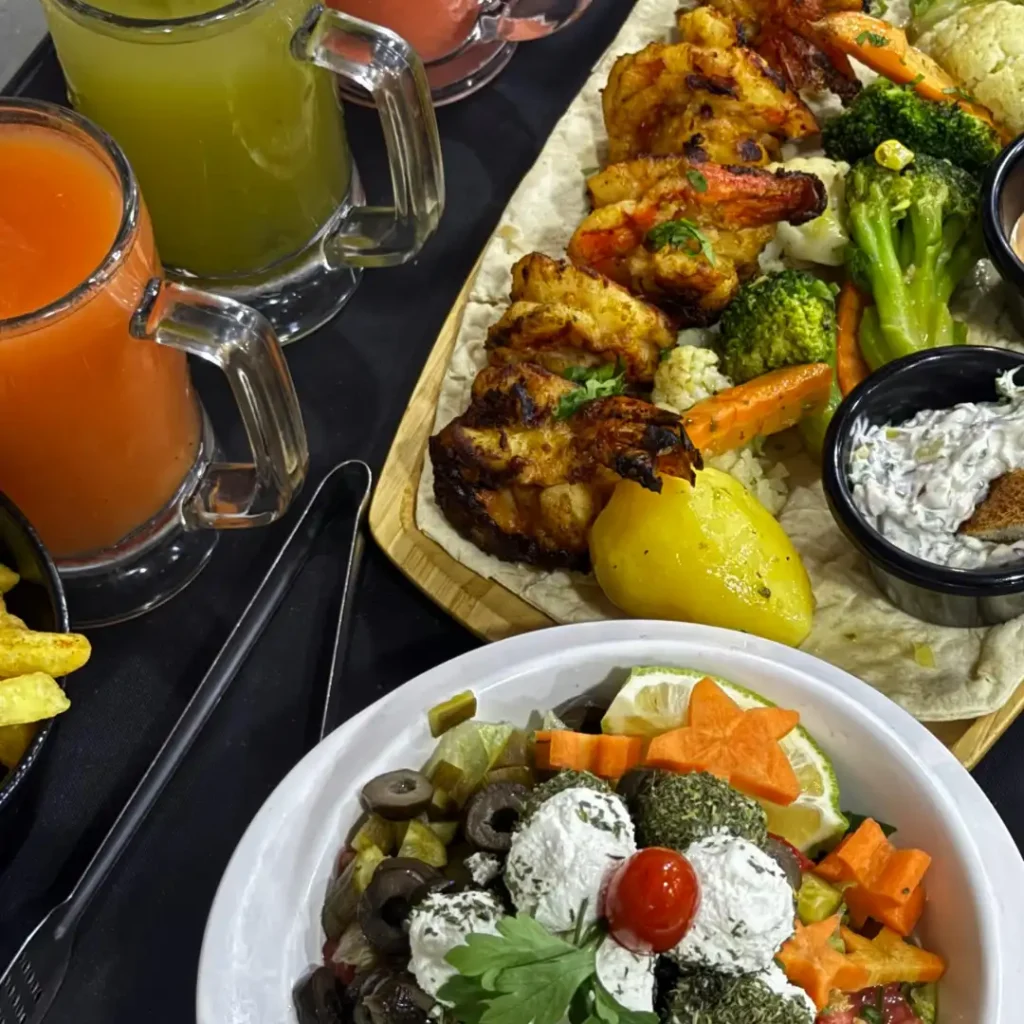
I aim for protein at every meal now: Greek yogurt with berries and nuts for breakfast, a colorful salad with grilled salmon for lunch, lentil soup or chicken with roasted vegetables for dinner. This isn’t about restriction; it’s about intention. Your body needs approximately 25-30 grams of protein per meal to effectively stimulate muscle protein synthesis, especially as we age
The rainbow on your plate
I used to think vegetables were just something to add to meals for color. Now I understand they’re the most powerful medicine we have access to daily. The antioxidants in blueberries protect your brain. The fiber in leafy greens supports your gut health and helps regulate blood sugar. The lycopene in tomatoes supports heart health. The vitamin K in broccoli strengthens bones.
Every color represents different phytonutrients working behind the scenes to reduce inflammation, support cellular repair, and protect against age-related diseases. My rule is simple: eat the rainbow every single day. Not because it’s trendy, but because it works
Healthy fats are your friends
For years, I avoided fat like it was poison, thanks to decades of low-fat diet propaganda. What a mistake. Your brain is nearly 60% fat. Your hormones need fat. Your cells are wrapped in fatty membranes. Healthy fats from avocados, olive oil, nuts, seeds, and fatty fish are essential for cognitive function, hormone balance, skin health, and reducing inflammation.
I drizzle extra virgin olive oil generously now. I snack on walnuts and almonds. I’ve made peace with the avocado toast trend because it’s actually brilliant nutrition.
Hydration: the overlooked essential.
Here’s something that changed my energy levels dramatically: drinking enough water, vitamin b12 and b complex. As we age, our sense of thirst diminishes, but our need for water doesn’t. Dehydration contributes to fatigue, confusion, constipation, kidney problems, and even falls. I keep a large water bottle with me always and aim for at least eight glasses daily, more when I’m active or it’s warm outside.
Movement: The Medicine That Never Goes Out of Style
I used to punish myself at the gym, believing that if I wasn’t dripping with sweat and completely exhausted, I hadn’t really exercised. That all-or-nothing mentality meant that when I couldn’t give 100%, I gave nothing at all.
Now I understand that consistent, joyful movement beats intense, sporadic effort every single time.
Walking: the underrated superpower.
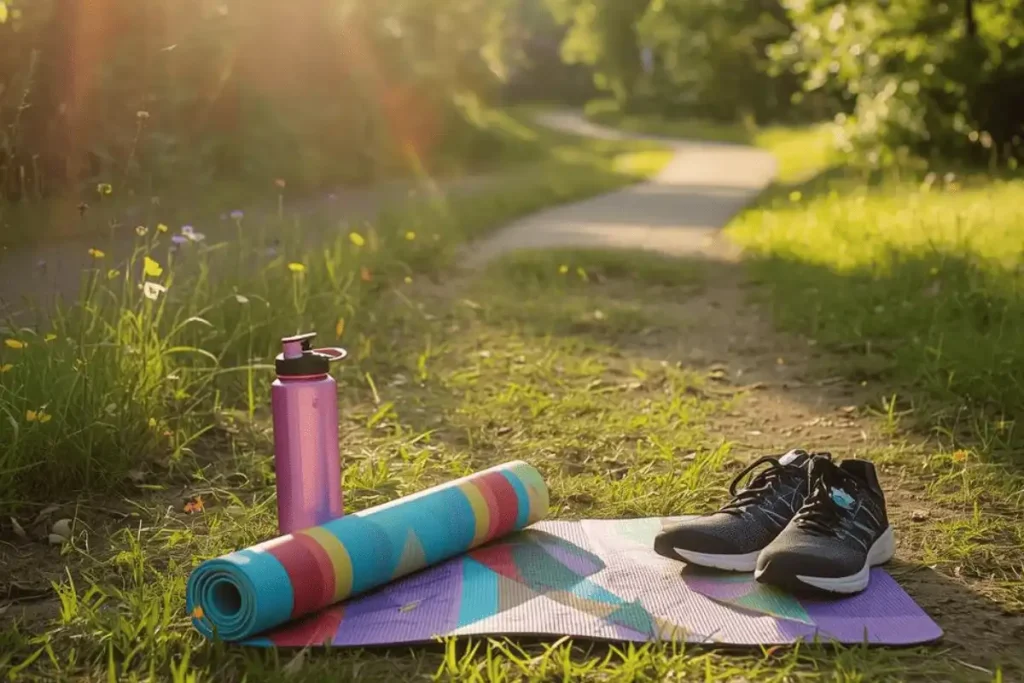
My daily walks have become sacred time. Thirty to sixty minutes of walking most days doesn’t just maintain cardiovascular health; it improves mood, supports bone density, aids digestion, helps regulate blood sugar, and provides time for reflection or connection if I’m walking with a friend.
Walking isn’t just exercise. It’s moving meditation. It’s problem-solving time. It’s vitamin D from sunshine. It’s proof that your body still carries you through the world, and that alone is worth celebrating.
Strength training: your secret weapon
This was the hardest sell for me initially. I had visions of bodybuilders and felt intimidated by the weight section at the gym. But strength training for women over 50 isn’t about bulk; it’s about function, independence, and longevity.
Lifting weights (or using resistance bands, or doing bodyweight exercises) twice a week has transformed my body composition, strengthened my bones, improved my posture, boosted my metabolism, and made everyday tasks easier. I can carry my own groceries, lift my grandchildren, rearrange furniture, and garden without worry. That’s freedom.
Start small. Even five pound weights or resistance bands at home make a difference. Focus on major muscle groups: legs, back, chest, core. And remember, the goal isn’t perfection; it’s progress
Flexibility and balance: your insurance policy
Every session, I spend ten minutes stretching. It’s not glamorous, but it’s essential. Flexibility decreases with age, but it doesn’t have to decline dramatically. Regular stretching maintains range of motion, reduces injury risk, eases joint pain, and improves posture.
Balance exercises are equally crucial. Falls are a leading cause of injury and loss of independence in older adults. Simple practices like standing on one foot while brushing your teeth, taking tai chi or yoga classes, or practicing heel to toe walking can dramatically improve stability and confidence.
The Mind Matters: Cognitive Wellness for the Long Game

Physical health is only part of the equation. Cognitive wellness keeping your mind sharp, engaged, and resilient is equally essential for truly thriving as we age.
Challenge your brain consistently.
Just as your muscles need resistance to stay strong, your brain needs challenges to maintain neural connections and build cognitive reserve. I’ve taken up learning Italian, not because I’ll be fluent, but because the process of learning a new language creates new neural pathways.
Maybe for you it’s learning an instrument, taking up painting, mastering a new technology, or diving into topics you’ve always been curious about. The key is novelty and challenge. Your brain thrives on newness
Stay socially connected
Loneliness and social isolation are as harmful to health as smoking 15 cigarettes a day, according to research. Meaningful social connections protect cognitive function, boost mood, reduce stress, and even strengthen immune function.
I’m intentional about connection now. Weekly coffee dates with friends. Regular video calls with family. Joining a book club. Volunteering at the local community center. These aren’t luxuries; they’re necessities for healthy aging
Manage stress and prioritize sleep
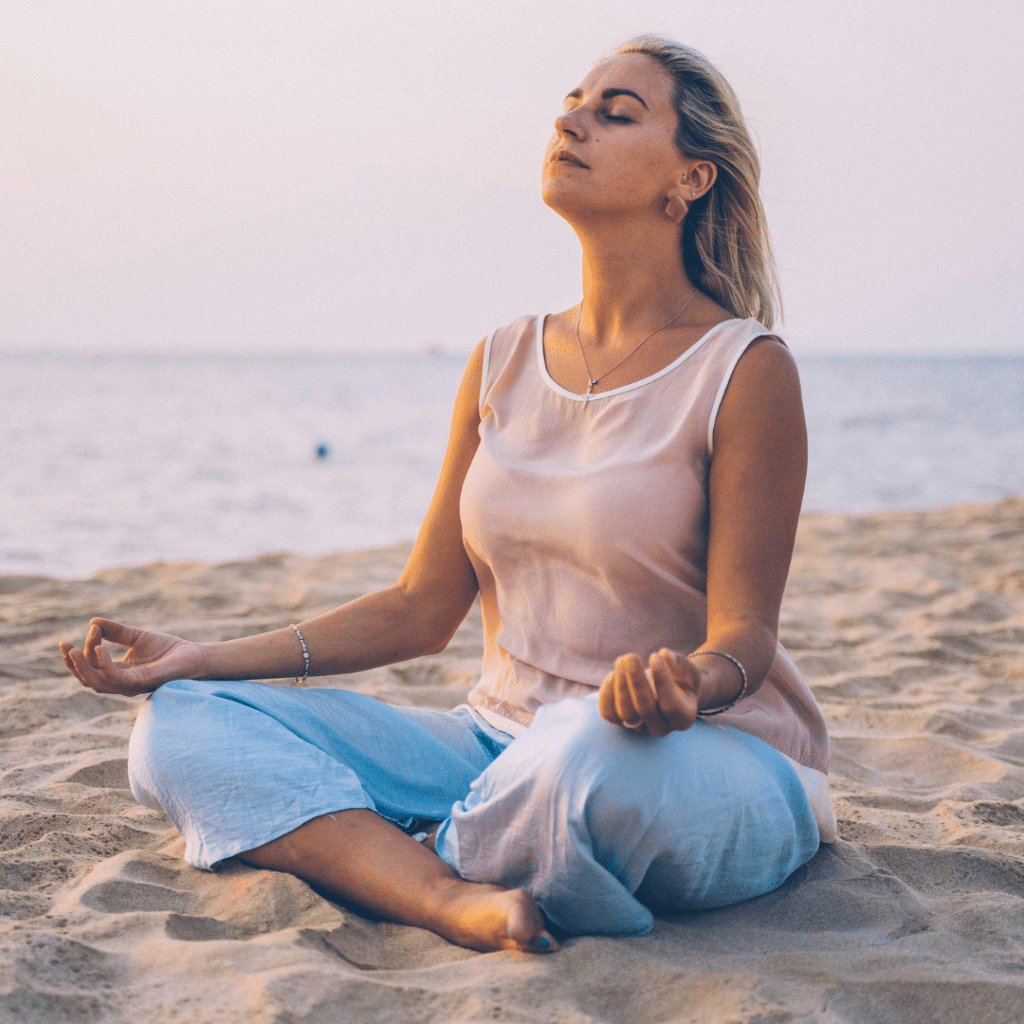
Chronic stress accelerates aging at the cellular level, impairs memory, weakens immunity, and increases risk for virtually every chronic disease. I’ve learned to recognize my stress signals and respond with tools that actually work: deep breathing, meditation, time in nature, saying no to obligations that drain me.
And sleep, oh, sleep. It’s not weakness or laziness to prioritize seven to eight hours nightly. During sleep, your brain clears toxins, consolidates memories, and repairs cellular damage. Your body heals, regenerates, and restores. Quality sleep is non negotiable for healthy aging.
Emotional Resilience: The Inner Strength That Carries You Through
The most profound shift in my journey hasn’t been physical; it’s been emotional. I’ve cultivated resilience, selfcompassion, and a sense of purpose that sustains me through challenges.
Practice gratitude relentlessly
Every morning, before I even get out of bed, I think of three things I’m grateful for. This simple practice has rewired my brain toward positivity and abundance rather than lack and complaint. Gratitude reduces stress, improves mood, strengthens relationships, and even improves physical health outcomes
Embrace self-compassion.
I spent decades being my own harshest critic. Every perceived flaw, every mistake, every sign of aging was met with judgment. Now I speak to myself the way I’d speak to a dear friend: with kindness, understanding, and encouragement.
Self-compassion isn’t self-indulgence; it’s self-preservation. It allows you to acknowledge difficulties without being consumed by them, to fail without defining yourself by failure, to age without shame.
Find your purpose
Becoming a wellness coach gave me purpose beyond myself. Helping other women reclaim their vitality and confidence fills me with meaning. Purpose doesn’t have to be grand; it just has to matter to you. Maybe it’s being present for grandchildren, mentoring younger colleagues, creating art, tending a garden, or advocating for a cause.
People with a sense of purpose live longer, recover better from illness, and report higher life satisfaction. Purpose gives you a reason to get up in the morning and take care of yourself.
The Proactive Lifestyle: Small Habits, Massive Impact
Healthy aging isn’t about perfection or dramatic transformations. It’s about small, sustainable habits practiced consistently over time. It’s a proactive lifestyle rich in wholesome foods, daily physical activity, quality sleep, and meaningful social connections.
Here’s what my typical day looks like now, not because you should copy it exactly, but to show how these principles integrate into real life:
I wake naturally around 6:30 a.m., well rested from seven to eight hours of sleep. Before checking my phone, I practice gratitude and set an intention for the day. I drink a large glass of water to rehydrate.
Breakfast is protein-rich: eggs with vegetables or Greek yogurt with berries, nuts, and a drizzle of honey. I take my vitamins: vitamin D, omega-3s, and calcium with magnesium for bone health.
Mid-morning, I go for a walk. Sometimes it’s brisk for cardiovascular benefits; other times it’s leisurely while listening to a podcast or audiobook. This movement energizes me and clears my mind.
Lunch is colorful and satisfying: a big salad with protein, whole grains, and healthy fats. I eat mindfully, away from screens, actually tasting my food.
Afternoon includes whatever work I’m doing coaching clients, creating content, learning with regular breaks to stretch and rest my eyes. I drink water consistently.
Two or three times a week, I do strength training: thirty minutes of resistance exercises targeting all major muscle groups. On other days, I might take a yoga class or swim.
Dinner is shared with my husband when possible, a time for connection. The meal includes lean protein, lots of vegetables, and complex carbohydrates. We talk about our days, laugh, and reconnect.
Evenings are for winding down: reading, gentle stretching, connecting with friends or family, pursuing hobbies. I avoid screens for at least an hour before bed and keep my bedroom cool, dark, and quiet.
Is every day perfect? Absolutely not. But consistency, not perfection, is what creates lasting change.
The Truth About Adding Life to Your Years
Healthy aging is about adding life to years. It’s about waking up with energy to pursue what matters. It’s about maintaining the independence to live on your own terms. It’s about having the cognitive clarity to keep learning and growing. It’s about possessing the emotional resilience to navigate challenges with grace.
It’s about being able to hike with grandchildren, travel to places you’ve dreamed of, start new ventures, deepen relationships, and discover parts of yourself you never knew existed.
At 54, I’m stronger, healthier, and more vibrant than I was at 44. Not because I’ve found a fountain of youth, but because I’ve committed to a lifestyle that honors my body, challenges my mind, nurtures my spirit, and connects me to others.
You don’t need to wait for a health scare to make this commitment. You can start exactly where you are, with exactly what you have, right now. One walk. One nutritious meal. One good night’s sleep. One meaningful conversation. These small acts compound over time into a life of vitality.
Aging doesn’t mean fading away. It means rising into the strongest, wisest, most authentic version of ourselves. It means understanding that our worth isn’t measured by productivity or youthful appearance, but by how fully we show up for our lives and for the people we love.
The second half of life can be the best half filled with purpose, joy, wisdom, and vitality. But it requires intention, commitment, and self-love.
You’re worth that investment. Your body, which has carried you faithfully through every experience, deserves your care. Your mind, which has solved countless problems and learned endless lessons, deserves stimulation and rest. Your spirit, which has weathered storms and celebrated triumphs, deserves nourishment and connection.
Welcome to healthy aging. Welcome to adding life to your years. Welcome to becoming the most vibrant version of yourself, no matter what your birth certificate says The best is truly yet to come.