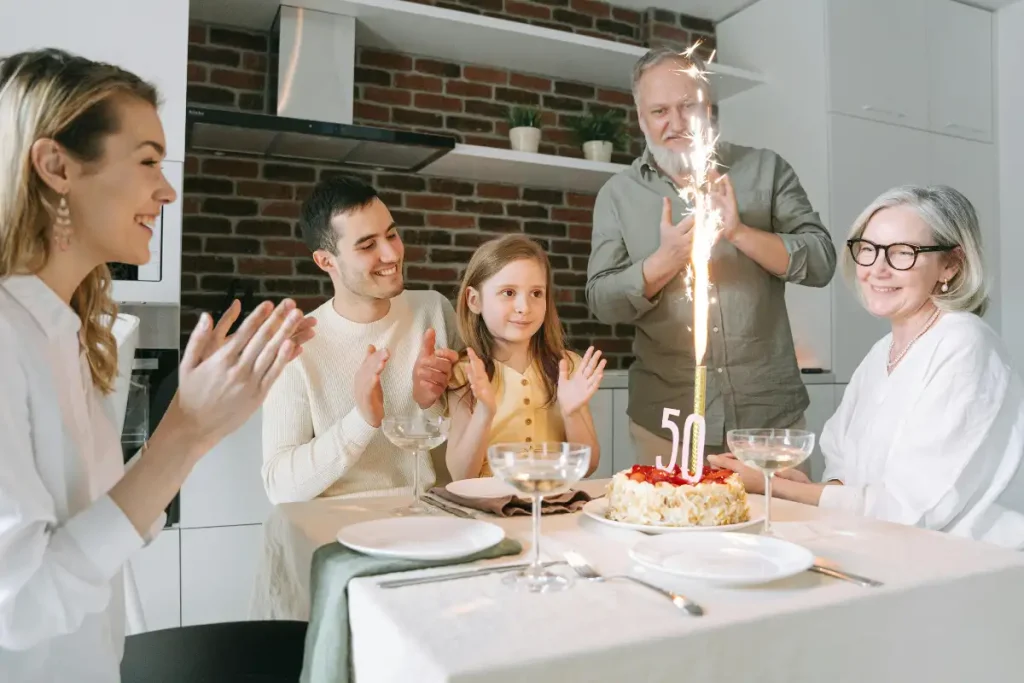

When I turned 52, someone told me I was “You’re aging gracefully, bravo! You’ve kept such good habits” and honestly, I wasn’t sure whether to say thank you or roll my eyes. What does that even mean? That I’m getting older without making too much fuss about it? That I’ve managed not to look as “old” as society expects?
By the time I understood the art of aging gracefully has nothing to do with fighting wrinkles or apologizing for getting older. It’s about ading life to your life, about showing up fully in this remarkable season of life, stronger, wiser, and more authentically ourselves than ever before. And trust me, that’s something worth celebrating.
What It Really Means to Age Gracefully
The phrase “age gracefully” gets tossed around a lot, usually as a compliment. But let’s be honest about what it actually means. Aging gracefully isn’t about looking younger or hiding the evidence of years lived. It’s about maintaining physical, mental, and emotional well-being while adapting to life’s natural changes with confidence and self-acceptance.
What I’ve noticed in talking with women our age is that those who seem most vibrant aren’t the ones desperately clinging to their 30-year-old selves. They’re the ones who’ve made peace with change. They prioritize self-care, nurture meaningful relationships, and focus on what their bodies can do rather than how they look. This mindset shift from resistance to acceptance makes all the difference.
The truth is, graceful aging happens when we stop fighting the calendar and start honoring the wisdom, freedom, and personal power that comes with our years.
Building Physical Vitality That Lasts
Move Your Body With Purpose
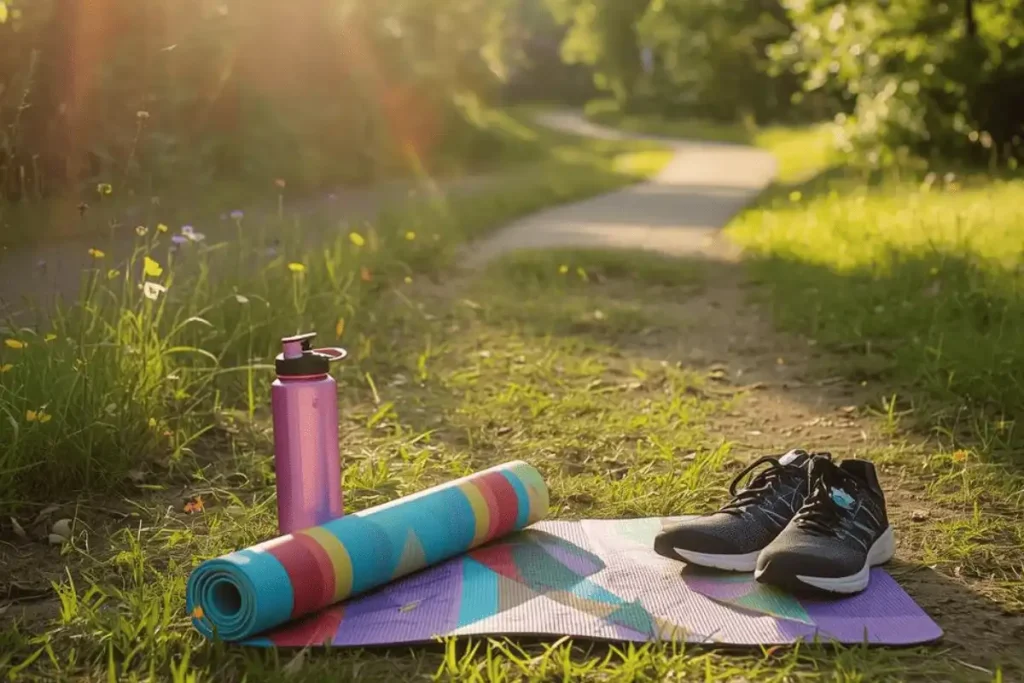
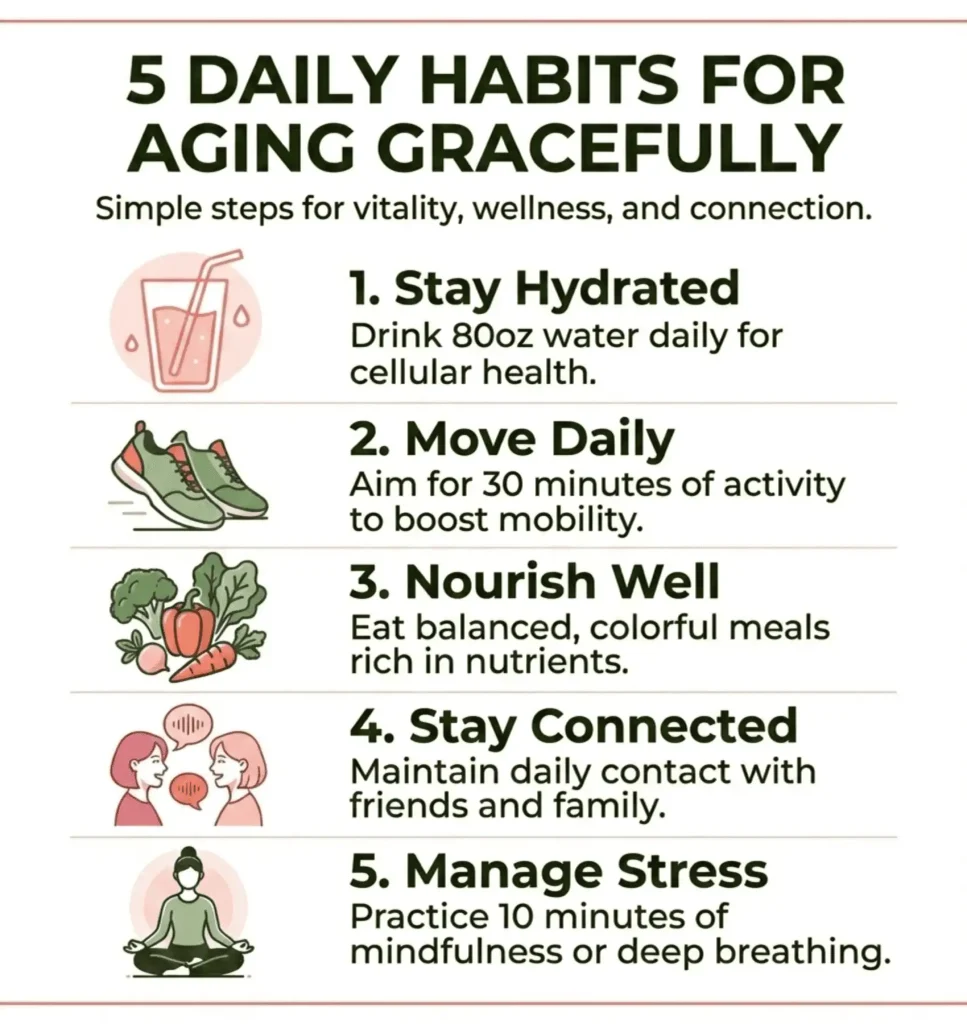
We’ve all heard that exercise is important, but here’s what they don’t always tell you: staying physically active is one of the most powerful tools we have for maintaining independence and vitality. Regular movement lowers your risk of heart disease, diabetes, and even Alzheimer’s disease.
You don’t need to train for a marathon. What matters is consistency, especially if you’re also trying to feel lighter in your body. If weight gain around menopause is bothering you, How to Lose Weight During Menopause goes deeper into safe, realistic changes that respect your hormones and your energy.
The science backs this up too. Research shows that even moderate physical activity like walking significantly reduces the risk of dementia and chronic diseases while improving cognitive health. Your body was designed to move, and when you honor that, everything else gets easier. You might be interested in these 3 exercises every woman over 50 should try
Nourish Yourself Thoughtfully
The relationship we have with food often shifts in our 50s and beyond. Our metabolism changes, our nutritional needs evolve, and what worked in our 30s doesn’t always serve us now. Eating a balanced diet isn’t about restriction—it’s about giving your body what it needs to thrive, especially when it comes to bone strength after 50. If you’re unsure which nutrients matter most, Bone Health Supplements for Seniors breaks down options in a simple, approachable way.
Focus on colorful fruits and vegetables, lean proteins like fish, and whole grains, and consider how vitamin D3 and K2 timing can support your bones and energy throughout the day.
And here’s something important: staying hydrated matters more than we often realize. A simple guideline I follow is dividing my weight in half and aiming for that many ounces of water daily. For someone weighing 160 pounds, that’s 80 ounces of water throughout the day.
Protecting Your Mental and Emotional Wellness
Honor Your Mental Health
With age comes wisdom, but it also comes with unique emotional challenges. Many of us feel we should have it all figured out by now, so we don’t always share our emotional struggles. But here’s the thing: your emotional health is just as important as your physical health.
Research shows that older adults living with chronic health conditions like heart disease are more susceptible to depression, yet we’re less likely than younger people to seek professional help. This pattern needs to change. Taking care of your emotional wellness isn’t a luxury; it’s essential to aging gracefully.
I’ve learned to check in with myself regularly. Am I feeling isolated? Overwhelmed? Anxious? Simply acknowledging these feelings and reaching out, whether to a friend, family member, or professional, makes an enormous difference
Manage Stress Like Your Life Depends On It
Because honestly, it does. Stress ages your body at the cellular level. Learning to set boundaries isn’t selfish;it’s a longevity strategy. The women I know who are thriving in their 60s and beyond have mastered the art of saying no to what drains them and yes to what nourishes them.
Set aside time each day for something relaxing a short walk, sitting quietly with tea, guided meditation through an app, or simply doing nothing. If your nights feel restless or you’re waking up exhausted, Why Sleep Problems Increase After Age 50 offers practical ways to support deep, restorative rest
Staying Connected and Engaged
Nurture Your Relationships
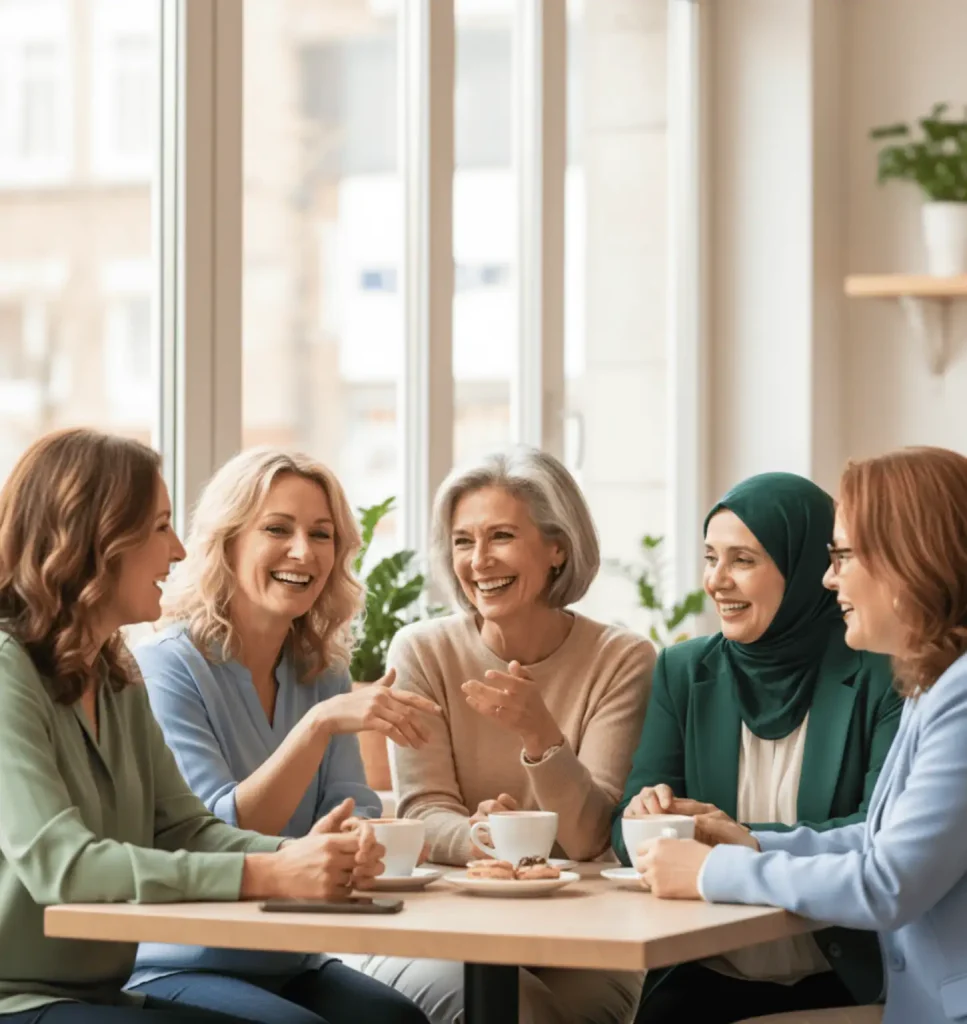
Here’s something fascinating: maintaining social connections is essential for emotional well-being and directly enhances happiness and longevity. If you live alone, reach out to at least one friend or family member every day. Schedule weekly coffee dates, join local groups around fitness or hobbies, or volunteer somewhere meaningful.
I organize a monthly gathering with friends (or our amazing blog team whenever possible); sometimes it’s dinner, sometimes a movie night, sometimes just sitting around talking. These regular interactions strengthen bonds and contribute to emotional stability in ways that surprise me every time.
What I’ve noticed is that the women aging most powerfully aren’t fading into the background. They’re staying curious, making new friends, trying new activities, and remaining engaged with the world around them.
Keep Your Mind Active and Curious
Aging gracefully means staying mentally engaged. Grace means moving, listening, engaging and the older we get, the more intentional we need to be about finding opportunities to do so. Think about something you’ve always loved or wanted to try but gave up to make time for other commitments. Music? Painting? Learning a new language? Technology projects?
Now is your time. Pick up those old hobbies or start completely new ones. The act of learning something new keeps your brain sharp and gives you a renewed sense of purpose. Volunteering or taking a part-time job also provides opportunities for mental stimulation and forming new friendships.
Embracing Your Authentic Self
Practice Self-Acceptance Daily
Aging with confidence means valuing the experience, knowledge, and wisdom that comes with age, and rising above a youth-oriented culture. This is harder than it sounds in a world constantly telling us to look younger, act younger, be younger. But here’s what I’ve discovered: harnessing the personal power that comes with age lets us design and live a life driven by our own values.
Incorporate daily practices that celebrate your achievements and the wisdom you’ve gained. Focus on gratitude and mindfulness to appreciate each moment fully. Surround yourself with people who uplift you and value your contributions.
The women who age most gracefully are comfortable in their own skin, self-aware, and accepting of differences in others. They’re not perfect, they’re real.
Ditch the Negative Self-Talk
Self-care is vital, and that includes how we speak to ourselves. For years, many of us engaged in harsh internal dialogue we’d never direct at a friend. Eat better, keep moving, seek joy, and eliminate negative self-talk. These aren’t separate practices—they’re all connected.
When you catch yourself thinking “I’m too old for this” or “I should look better,” pause. Would you say that to someone you love? Reframe those thoughts with compassion. You’re not too old, you’re exactly the right age to be trying new things, making mistakes, and figuring out what brings you joy.
Frequently Asked Questions
Living Your Best Chapter
Aging gracefully isn’t about achieving perfection or meeting someone else’s standards. It’s about showing up authentically in this remarkable season of life, taking care of yourself with intention, and embracing the wisdom and freedom that come with age.
The small choices you make daily moving your body, nourishing yourself well, staying connected, managing stress, pursuing what brings you joy; these create the foundation for thriving in your 50s, 60s, and beyond. You don’t need to overhaul your entire life overnight. Start with one sustainable habit and build from there.
This is your time to prioritize yourself, set boundaries that protect your peace, and design a life aligned with your values. You’ve earned this chapter, and you deserve to live it fully. As always, work closely with your healthcare provider to create a personalized approach that addresses your unique health needs and goals.
What’s one small step you’ll take this week toward aging on your own terms? I’d love to hear what resonates with you. Share your thoughts in the comments below.