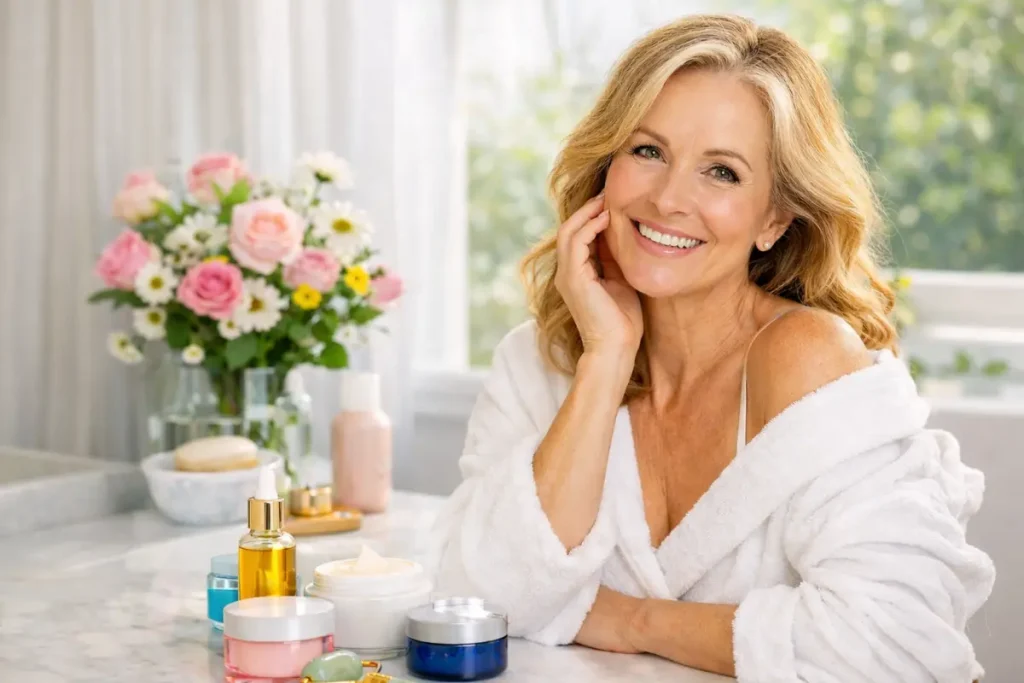
Radiant woman over 50 with glowing skin after anti aging facial treatment

Glow with Confidence: Your Complete Guide to Anti Aging Facial Treatments After 50

I stood in front of the mirror last Tuesday, squinting at a stubborn blemish on my chin that seemingly appeared overnight. Seriously? Menopause brought me hot flashes, and now it has decided to gift me teenage breakouts, too? It felt like a cruel joke. Meanwhile, my friend Susan texted me a photo from her spa day, looking absolutely radiant. That’s when I realized I needed to understand what an anti-aging facial could actually do for those of us navigating hormonal changes. If you have been searching for the right treatment to tackle these new surprises while keeping your skin hydrated and glowing, you are definitely not alone. Let me share what I’ve learned about finding facial treatments that truly work for our skin right now.

The Shift: Understanding Your Skin’s New Normal

Here is the thing about our skin in our 50s and 60s: it is telling the story of our lives. But sometimes that story includes chapters we didn’t expect, like dryness that no moisturizer seems to fix or those pesky hormonal breakouts along the jawline.

When estrogen levels drop during perimenopause and menopause, our skin produces less collagen and oil. Studies show we lose about 30% of our collagen in the first five years after menopause alone. It sounds counterintuitive, but this dryness can actually trigger our skin to panic and produce more oil in specific spots, causing breakouts.

Plus, cell turnover slows down dramatically. In our 20s, our cells renewed every 28 days; now, it can take up to 60 days. This leads to a buildup of dead skin cells that makes our complexion look dull and clogs pores.

This is completely normal. It doesn’t mean your skin is bad; it just means it needs a different kind of support. We aren’t trying to look 20; we are aiming for that vibrant, healthy glow that says we are thriving at every age.

Demystifying Professional Facial Treatments

Let’s be honest: walking into a spa and seeing a menu with twenty different facial options can feel overwhelming. What’s the difference between a HydraFacial and microneedling? Which one addresses your specific concerns?

An anti-aging facial is typically any treatment focused on addressing the visible signs of mature skin: fine lines, uneven texture, age spots, loss of firmness, and dehydration. But not all facials are created equal, and understanding what each one does helps you make informed choices.

The Classics with a Modern Twist

Enzyme Facials:
These use natural fruit enzymes (like pumpkin or papaya) to gently dissolve dead skin cells without scrubbing. They’re fantastic for sensitive, mature skin because they reveal fresh skin without causing the micro-tears that harsh physical scrubs can inflict on thinner skin.

Chemical Peels (Light to Medium):
Don’t let the name scare you. Modern superficial peels use ingredients like lactic acid (derived from milk), which is incredibly hydrating while it exfoliates. They gently lift away sun damage and smooth rough texture without the raw, red recovery time. A series of light peels can fade those age spots that seem to pop up after a summer in the California sun.

The Technology Game-Changers

HydraFacial:
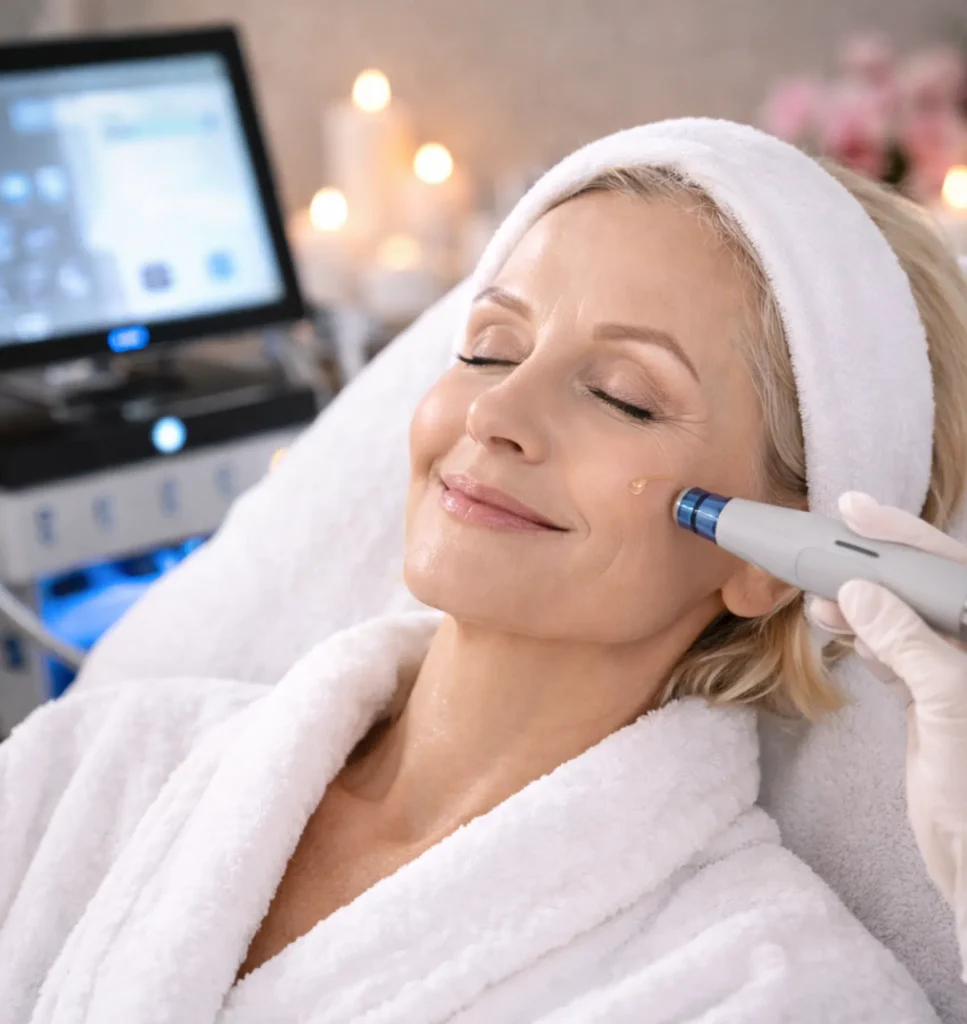
This is often called the red carpet facial because there’s zero downtime. It uses a specialized wand to vacuum out pores while simultaneously pushing in potent serums filled with antioxidants and hyaluronic acid. For women over 50, it’s a game-changer because it addresses congestion and dehydration in one step. You walk out looking dewy, not red. It’s perfect before a big event like your daughter’s wedding or a milestone birthday celebration.

Microneedling:
This treatment uses tiny needles to create controlled micro-injuries in the skin, triggering your body’s natural healing response and boosting collagen production. While it sounds intimidating, it’s actually quite tolerable with numbing cream. The results for reducing fine lines, acne scars, and improving overall texture are impressive, though you’ll need 1-3 days of downtime while your skin heals.

The main difference? HydraFacial is instant gratification with no downtime, perfect for hydration and glow. Microneedling is a long-term investment in collagen production, better for deeper concerns like scars or significant texture issues.

The Acne-Menopause Paradox: Treating Breakouts Gently

I remember chatting with my friend Linda, who was mortified to be buying acne cream at 55. I thought I was done with this, she laughed, though I could tell she was frustrated.

Treating acne in our 50s is tricky because the products designed for teenagers, like benzoyl peroxide, are often way too harsh for us. They dry out the skin, which emphasizes fine lines and makes the skin look crepey. (And trust me, nobody wants that trade-off).

The solution lies in balance. A great professional facial for menopausal acne will often use Blue LED Light Therapy. It kills the bacteria that cause acne without touching the skin or drying it out. Combined with mild salicylic acid (often found in Willow Bark extract), this approach clears pores while keeping the rest of your face plump and happy.

What I’ve noticed is that addressing the root cause matters too. Hormonal fluctuations mean that topical treatments alone won’t solve everything. Stress management, sleep quality, and reducing inflammatory foods (especially sugar) all play a role in keeping those jawline breakouts at bay.

High-Tech Helpers: Microcurrent, Radiofrequency, and Oxygen

If you are looking for a lift without going under the knife or near a needle, technology is your best friend. These are the treatments that make you look like you just returned from a two-week vacation.

Professional anti aging facial treatment using HydraFacial technology for mature skin

Microcurrent Facials

Think of this as a gym workout for your face. Microcurrent devices use low-level electrical currents to stimulate the facial muscles, essentially retraining them to maintain a lifted position. What I’ve noticed is that while the results are subtle at first, they are cumulative. After a series of treatments, you’ll see a lift in the brow and jawline, giving you a refreshed, “I just slept for 10 hours” look.

I treat myself to one every month, and my aesthetician always says consistency is key. Think of it like going to the gym, one session won’t transform you, but regular visits create lasting change.

Radiofrequency (RF) Therapy

This is where science gets really cool. Radiofrequency uses controlled heat to penetrate deep into the skin, stimulating collagen and elastin production. The heat causes existing collagen fibers to contract, giving you an immediate tightening effect, while also triggering new collagen growth over the following months.

Studies show that radiofrequency significantly improves facial wrinkles and skin laxity, with patients reporting noticeable improvements and minimal side effects. It’s safe for all skin tones and requires no recovery time, making it perfect for busy women who can’t take a week off for redness to heal.

Oxygen Facials

As we age, oxygen levels in our skin cells drop, contributing to dullness and fine lines. An oxygen facial sprays highly concentrated molecules of oxygen right into your epidermis, often combined with hyaluronic acid and vitamins. The immediate result is plumpness and a glow that photographs beautifully, perfect before a class reunion or when your grandchildren are visiting, and you know photos are inevitable.

The At-Home Ritual: Extending Professional Results

You can’t go to the spa every day, so maintaining that vitality at home is crucial. What I’ve learned is that the right at-home ritual can extend professional results by weeks.

The Power of Facial Massage

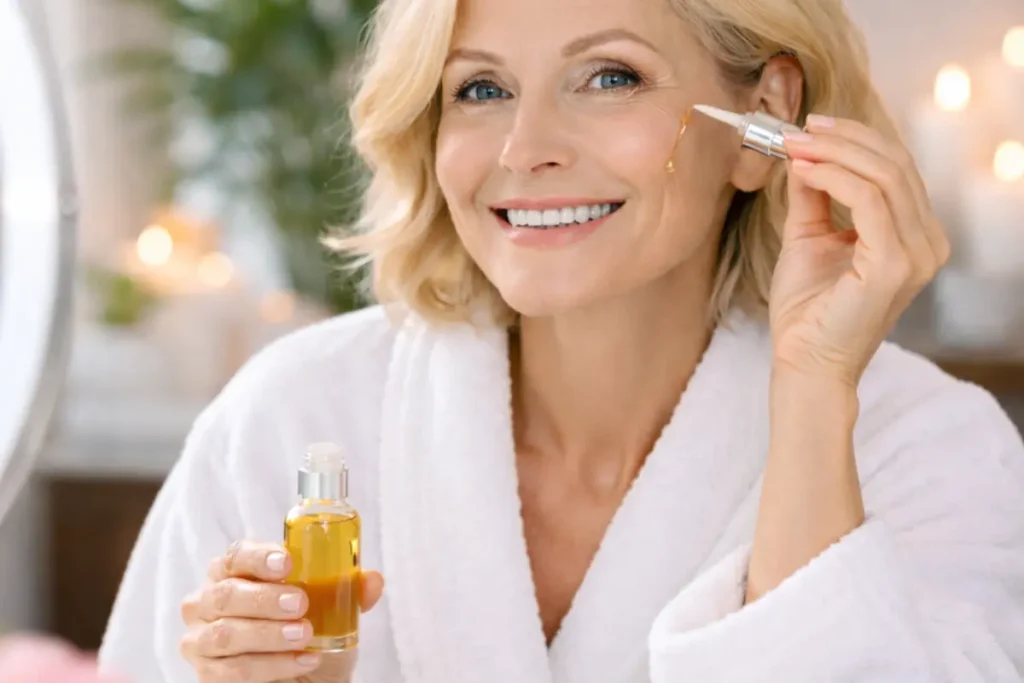
Incorporating facial massage into your routine is a game-changer, and you don’t need fancy tools. Your hands are magic. Using a facial oil (rosehip or argan is lovely for our age group), spend 5-10 minutes each evening massaging your face with intentional movements.

Key Techniques:

  • Upward Strokes: Always massage upward to counteract gravity. Start at your jawline and sweep up toward your temples.
  • Gentle Circles: Make small circles on your cheeks to stimulate microcirculation and bring fresh blood (and nutrients) to the surface.
  • Lymphatic Drainage: Use light pressure from the center of your face outward to help drain puffiness and toxins.
  • Eye Area Care: Use your ring finger (it has the lightest touch) to gently tap around the orbital bone. This reduces puffiness and dark circles.

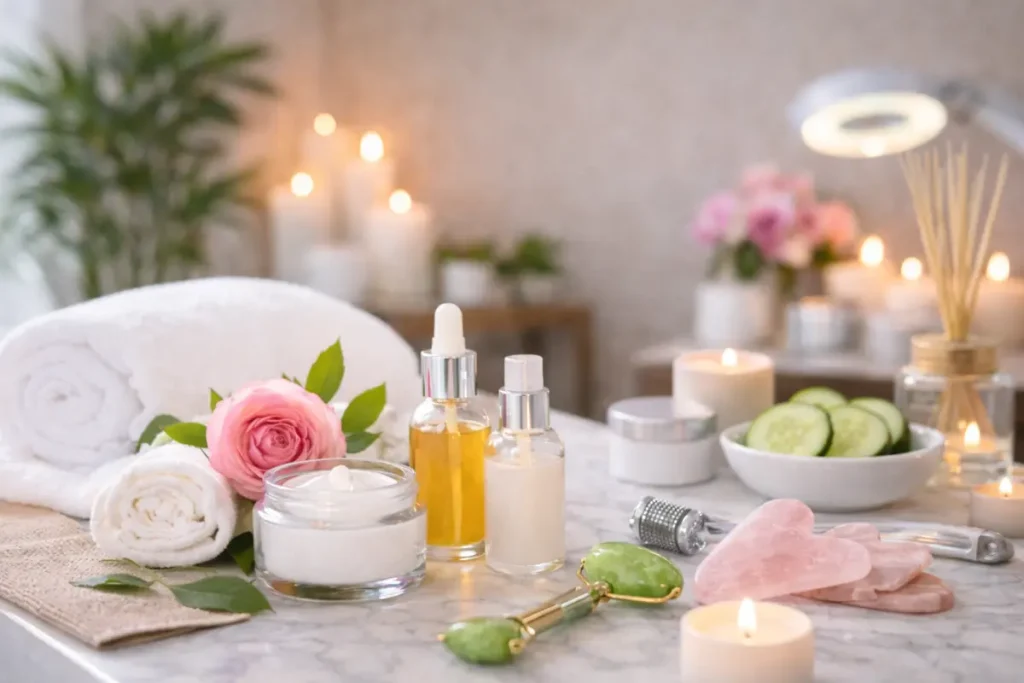
I encourage you to turn your Sunday evening skincare into a ritual, not a chore. Light a candle, put on some music you love, and take these 10 minutes just for you. The physical benefits are real, but the mental benefits of that self-care moment are equally valuable.

Tools That Actually Work

While your hands are sufficient, a few tools can amplify results:

Gua Sha:
This smooth stone tool helps with lymphatic drainage and reduces puffiness. The key is using it with a facial oil so it glides smoothly without tugging delicate skin.

Jade or Rose Quartz Roller:
Keep it in the fridge for an extra de-puffing effect in the morning. It feels luxurious and helps serums penetrate better.

LED Light Masks:
At-home LED masks offer red light (for collagen stimulation) and blue light (for acne-fighting). They require consistency 3 to 5 times per week, but the results are cumulative and real.

Lifestyle Factors: The Inside-Out Connection

We can’t talk about glowing skin without talking about how we live. In California, we are lucky to have access to fresh produce year-round, and what we eat genuinely shows up on our faces.

Nutrition for Radiant Skin

Sugar is a collagen killer. It causes a process called glycation, which makes collagen fibers stiff and brittle. I’m not saying you can never have dessert, but noticing the connection between sugar intake and skin texture is empowering. When I cut back on sugar for just two weeks, my skin looks noticeably plumper and more even-toned.

Healthy Fats Are Your Friend:
Omega-3 fatty acids from salmon, walnuts, and flaxseeds act like an internal moisturizer. They keep cell membranes flexible and hydrated, which translates to supple skin.

Hydration Isn’t Optional:
You’ve heard it before, but drinking enough water makes a visible difference. Aim for at least eight glasses daily, and eat water-rich foods like cucumbers, melons, and citrus.

Stress, Sleep, and Skin

High cortisol levels from chronic stress break down collagen and trigger inflammation (hello, rosacea and acne). Finding joy, whether it’s walking on the beach, gardening, or just laughing with friends, is literally skincare.

Prioritizing sleep is also non-negotiable. It’s called beauty sleep for a reason; that is, when your skin goes into repair mode. If you are struggling with sleep due to hot flashes or hormonal shifts, establishing a calming bedtime routine is vital for both your mind and your complexion.

Frequently Asked Questions

Embracing Your Vibrant Reflection

At the end of the day, an anti-aging facial isn’t about erasing the years or denying who we are. It is about stewardship, caring for the skin that has protected you for decades. It’s about looking in the mirror and honoring the woman looking back at you with treatments that support her vitality and confidence.

Your skin tells the story of your life: the laughter, the sunny California days, the challenges overcome, the wisdom gained. The right facial treatments don’t erase that story; they ensure the canvas remains healthy, hydrated, and glowing for all the chapters yet to come.

Whether you treat yourself to a professional spa day or carve out 20 minutes for an at-home facial massage, you are investing in your confidence and well-being. Start small. Maybe this week, you book that HydraFacial you’ve been curious about, or perhaps you commit to a nightly facial massage ritual. Small intentional steps create lasting transformation.

What’s one small step you’ll try this week to treat your skin with a little extra love? Share in the comments below, I’d love to hear what resonates with you most.

Leave a Comment

Your email address will not be published. Required fields are marked *

Scroll to Top