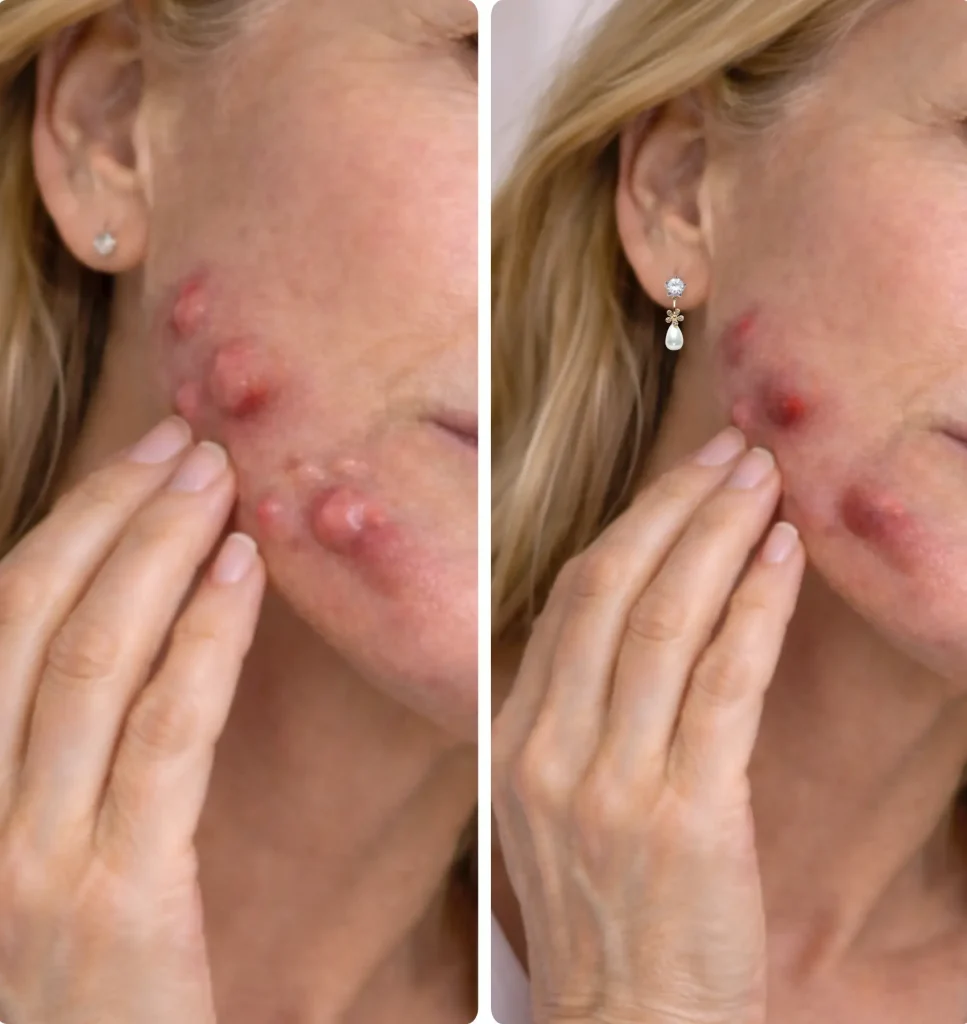
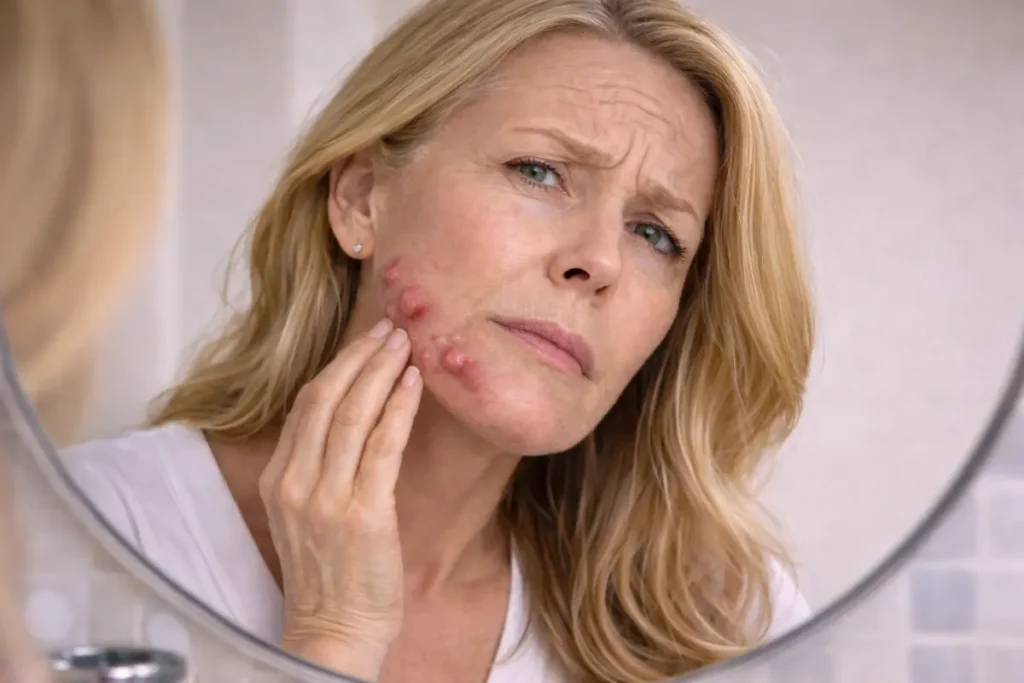
I thought I’d left acne behind in my twenties, filed away with bad perms and questionable fashion choices. So imagine my surprise when, at 53, I woke up to find my chin dotted with breakouts that would’ve made my teenage self cringe. If you’re experiencing acne and menopause hormone changes simultaneously, you’re definitely not imagining things. Your skin is responding to a very real hormonal shift, and honestly, it feels a bit unfair to deal with hot flashes and breakouts at the same time.
Why Your Skin Suddenly Feels Like It’s Staging a Teenage Rebellion
Here’s what’s happening beneath the surface. During menopause, your estrogen levels drop significantly while androgens (yes, we all have them) remain relatively stable this creates an androgen dominance situation that your skin hasn’t experienced since puberty.
Androgens stimulate your sebaceous glands to produce more oil at the same time, the cellular turnover that kept your pores clear in your younger years slows down dead skin cells stick around longer, mix with that extra oil, and create the perfect environment for breakouts.
What I’ve noticed in my own experience and from talking with other women is that menopausal acne tends to show up differently than teenage acne ,we’re dealing with deeper, more persistent breakouts along the jawline, chin, and neck. These aren’t the surface whiteheads of youth but rather those under the skin bumps that linger for weeks.
The connection between acne and menopause hormones isn’t just about oil production though. Your skin is also becoming thinner and losing collagen, which means it’s more sensitive and slower to heal. What might have cleared up in days now takes weeks, and that’s completely normal for this stage of life.
The Hormone Dance: Understanding What Estrogen Was Doing for Your Skin
For decades, estrogen was your skin’s best friend, and you probably didn’t even know it. This hormone kept your skin thick, plump, and resilient. It regulated oil production, maintained moisture levels, and promoted collagen synthesis.
When estrogen declines during perimenopause and menopause, your skin loses that protective influence. The androgens that were always present suddenly have a louder voice. Think of it like a meeting where the person who used to moderate the discussion has left the room, everyone else starts talking over each other.
Testosterone and other androgens tell your oil glands to ramp up production. For some women, this happens gradually. For others, it feels like someone flipped a switch overnight. There’s no predicting which camp you’ll fall into, and that uncertainty can be frustrating.
Many women find that their skin goes through multiple phases during the menopausal transition. You might have a few months of clear skin followed by sudden breakouts, then calm again. This rollercoaster reflects the fluctuating hormone levels that characterize perimenopause before settling into the new normal of post-menopause

Why Your Daily Habits Matter More Than Any Product
Here’s something that took me far too long to understand: you can’t cream your way out of a hormonal imbalance. I spent months trying different face washes, serums, and spot treatments before I realized that the most powerful tools for managing acne and menopause hormone changes were sitting in my kitchen and woven into my daily routine.
Your body is going through a profound transformation. Every choice you make throughout the day either supports that transition or works against it. The foods you eat directly influence your hormone production and inflammation levels. How you move your body affects insulin sensitivity and stress hormones. The quality of your sleep determines how effectively your cells repair themselves.
What I love about the lifestyle approach is that it addresses the root cause rather than just managing symptoms. When you support your body’s natural hormone balance through daily choices, you’re not just helping your skin, you’re improving your energy, mood, sleep, and overall sense of wellbeing. It’s a rising tide that lifts all boats.
This doesn’t mean lifestyle changes are easy or that results happen overnight. It took me about six weeks of consistent changes before I noticed real improvements in my skin. But those improvements have lasted because I’m working with my body instead of against it.
The Foods That Balance Your Hormones (and the Ones That Don’t)
Let’s talk about what you’re eating, because this might be the single most impactful change you can make. Foods that spike your blood sugar trigger a cascade of hormonal responses that worsen acne. When your blood sugar rises rapidly, your body releases insulin to bring it back down. That insulin surge stimulates your ovaries and adrenal glands to produce more androgens, which then tell your oil glands to go into overdrive.
Foods that help balance hormones naturally: Start your day with protein and healthy fats instead of toast or pastries. I’ve found that eggs with avocado or Greek yogurt with nuts keeps my blood sugar stable all morning. Throughout the day, focus on fiber-rich vegetables like leafy greens, broccoli, Brussels sprouts, and carrots. These foods help your body eliminate excess hormones through your digestive system.
Phytoestrogen rich foods can provide gentle hormonal support during the transition. Add ground flaxseeds to your morning smoothie or oatmeal, snack on edamame, include tofu or tempeh in your meals a few times weekly. I keep a small container of mixed nuts and seeds (walnuts, almonds, pumpkin seeds, sunflower seeds) in my bag for when I need a snack. These provide omega-3 fatty acids that reduce inflammation throughout your body, including your skin.
Colorful fruits and vegetables aren’t just pretty on your plate. Berries, sweet potatoes, bell peppers, and tomatoes provide antioxidants that protect your skin cells from damage and support healing. I aim for at least three different colors at lunch and dinner.
Foods that can worsen hormonal acne: Pay attention to how your skin responds to dairy, particularly milk and ice cream. Many women find that dairy increases their breakouts, possibly because of hormones naturally present in milk or because it affects insulin levels. I didn’t want to believe this connection until I eliminated dairy for three weeks and watched my skin calm significantly.
Refined carbohydrates and sugar are the biggest culprits for blood sugar spikes. White bread, pasta, pastries, sugary drinks, and processed snacks all fall into this category. I’m not suggesting you never eat these foods again, just notice what happens to your skin in the days following. You might find that your Saturday afternoon cookie doesn’t cause problems, but daily pastries at breakfast do.
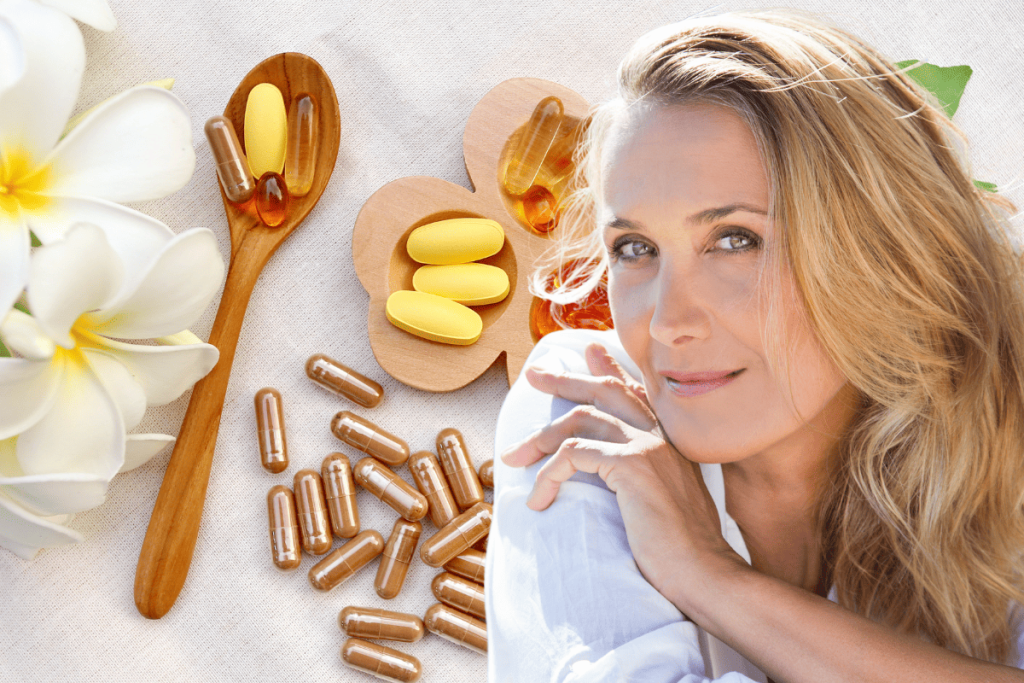
Supplements worth considering: After working with my healthcare provider, I added a few targeted supplements. Omega-3 fish oil reduces inflammation, zinc supports skin healing and may help regulate oil production, and vitamin D (which many of us are deficient in) plays a role in skin health. Probiotics have also helped my gut health, which influences hormone metabolism and skin inflammation.
Movement and Stress: The Unexpected Skin-Saving Duo
Exercise might not be the first thing you think of when treating acne, but here’s why it matters. Regular movement improves insulin sensitivity, which means your body doesn’t need to produce as much insulin when you eat. Less insulin means fewer androgen surges and less oil production.
I’m not talking about intense workouts that leave you exhausted. In fact, excessive high-intensity exercise can actually increase cortisol and worsen hormonal imbalance. What works better during menopause is consistent, moderate movement that you genuinely enjoy. For me, that’s a 30-minute walk most mornings and yoga twice a week.
Walking has become my non negotiable self-care practice. It gets me outside in natural light, which helps regulate my circadian rhythm and improves sleep. It reduces stress without spiking cortisol. And honestly, those 30 minutes of moving my body and clearing my mind have done more for my overall wellbeing than any skincare routine ever could.
Strength training deserves special mention because it helps maintain muscle mass and bone density during menopause, but it also improves how your body processes glucose and hormones. You don’t need a gym membership. Bodyweight exercises, resistance bands at home, or even gardening that requires digging and lifting all count.
The stress piece is equally crucial. Cortisol, your primary stress hormone, directly stimulates sebum production and increases inflammation in your skin. When I’m going through a particularly stressful period, my skin shows it within days.
What’s helped me most is building small stress-reduction practices into my day rather than waiting until I’m overwhelmed. Ten minutes of deep breathing when I first wake up. A few minutes of stretching before bed. Saying no to commitments that drain me. These aren’t luxuries, they’re necessary support for your body during a major transition.
I’ve also found that connecting with other women going through similar experiences reduces stress significantly. Whether it’s a walking group, a book club, or just regular coffee dates with friends, that social support matters for your mental health and, surprisingly, your skin.
Sleep: Your Body’s Repair Time
Those nights when you’re tossing and turning with night sweats aren’t just uncomfortable, know more about improving sleep naturally after 50 they’re disrupting your skin’s healing process. During deep sleep, your body repairs damaged cells, produces new collagen, and regulates hormone production. Poor sleep increases cortisol, disrupts blood sugar balance, and triggers inflammation.
Creating an environment that supports better sleep has been challenging during menopause, but it’s worth the effort. I keep my bedroom cool (around 65 degrees), use breathable cotton sheets, and have a fan for air circulation. I’ve also started limiting screen time an hour before bed and reading instead, which helps me wind down.
Consistent sleep and wake times help regulate your body’s internal clock, even on weekends. I know it sounds boring, but my body responds better when I maintain that routine. On nights when sleep is particularly difficult, I remind myself that rest, even without deep sleep, still provides some benefit.

A Gentler Approach to Skincare
After talking about lifestyle factors, let’s address topical skincare because it does play a supporting role. The key is gentleness. Your menopausal skin is fundamentally different from teenage skin, thinner, drier, and more sensitive.
What works: Choose a creamy, non-foaming cleanser that doesn’t leave your skin feeling tight. Follow with hydrating products that support your skin barrier. Look for ingredients like hyaluronic acid, glycerin, and ceramides. A lightweight serum with niacinamide can help regulate oil while calming inflammation.
What doesn’t work: Harsh scrubs, astringent toners, clay masks that dry completely, and aggressive acne treatments designed for teenagers. These strip away the protective oils your skin desperately needs. I learned this the hard way after spending two months with prescription retinoids that left my skin flaky, irritated, and still breaking out.
The moisturizer question always surprises women. Won’t that make acne worse? Actually, when you’re dealing with acne and menopause hormone changes, keeping your skin hydrated is essential. Dehydrated skin produces more oil to compensate. Choose non-comedogenic formulas that won’t clog pores.
Sunscreen every single day is non-negotiable. Your skin is more vulnerable to sun damage now, and inflammation from sun exposure can worsen acne. Mineral sunscreens with zinc oxide work well for sensitive, acne-prone skin.
When Lifestyle Changes Need Extra Support
Sometimes, despite doing everything right with nutrition, movement, stress management, and gentle skincare, your acne persists or worsens. That’s when it’s worth exploring additional options with healthcare professionals who understand the unique needs of women in menopause
A dermatologist experienced with mature skin can assess whether you might benefit from specific treatments tailored to hormonal acne. Some women find relief through medications that address the androgen piece, though these require medical supervision and come with considerations to discuss with your provider.
If you’re already exploring hormone replacement therapy for other menopausal symptoms, it’s worth discussing how it might affect your skin. Some women experience skin improvements with HRT, while others find it makes no difference or occasionally worsens acne depending on the specific formulation.
Natural approaches through functional medicine practitioners can also provide support. This might include herbs traditionally used for hormone balance, targeted supplementation based on your specific deficiencies, or other integrative strategies. Whatever route you explore, work with qualified professionals rather than self-prescribing.
Reframing the Conversation: Your Skin Is Talking, Are You Listening?
Here’s what shifted everything for me. Instead of viewing these breakouts as a betrayal or sign that something was wrong with me, I started seeing them as information. My skin was communicating that my body needed support through a major transition.
When I approached the situation with curiosity rather than frustration, I became more attuned to patterns. I noticed that my breakouts worsened during particularly stressful weeks or after eating certain foods. This awareness helped me make adjustments that actually addressed root causes instead of just treating surface symptoms.
We live in a culture that tells us women should become invisible as we age, and visible skin issues can feel like they’re working against that pressure to disappear gracefully. But your skin showing signs of hormonal changes isn’t a failure, it’s evidence that you’re alive and your body is doing exactly what it’s designed to do during this life stage.
The relationship between acne and menopause hormones is temporary. For most women, once hormone levels stabilize in post-menopause, the breakouts calm significantly. You’re not going to deal with this forever, even though it might feel that way when you’re in the thick of it.
What helps in the meantime is treating yourself with the same compassion you’d offer a friend going through this. Your worth isn’t determined by whether your skin is clear. You’re navigating a significant life transition, and giving yourself grace during that process matters more than perfect skin.
Frequently Asked Questions
Moving Forward with Confidence
The connection between acne and menopause hormones is real, frustrating, and manageable through lifestyle choices that honor your body’s transition. What I want you to take away from this is that your skin’s behavior right now doesn’t define you, and it’s not something you caused through inadequate care or poor choices.
Your body is recalibrating, and your skin is part of that process. The lifestyle-first approach I’ve shared, combining nourishing foods, joyful movement, stress reduction, quality sleep, and gentle skincare, works because it addresses the underlying hormonal shifts while respecting your skin’s current needs.
Some mornings you’ll wake up to new breakouts and feel discouraged. Other days your skin will look clearer and you’ll feel hopeful. Both experiences are valid parts of this journey. What matters is that you’re giving yourself the support and care you deserve during a major life transition.
If you’re looking for more comprehensive guidance on supporting your body through menopause with nutrition, movement, and daily practices that enhance your vitality, our resources on thriving through hormonal transitions offer practical strategies that benefit your overall wellbeing and naturally support healthier skin.
What’s one small step you’ll try this week? Maybe it’s adding ground flaxseeds to your breakfast, taking an evening walk, or simply looking in the mirror with a bit more kindness. Share in the comments below, we’re all in this together.