

Three a.m. Kitchen floor. Nightgown soaked through, again, I stood there gulping ice water straight from the pitcher when it hit me that if the solution wasn’t just about cooling down in the moment, but about what I was drinking all day long? That desperate middle-of-the-night realization changed everything. What drinks are good for menopause symptoms turned out to be one of the simplest yet most powerful tools in my wellness arsenal, and I’m about to share the beverages that actually brought me relief when nothing else seemed to work.
The Cooling Power of Herbal Teas
Here’s the thing about hot flashes: they’re unpredictable and exhausting, but certain herbal teas have become my secret weapon. Peppermint tea delivers an immediate cooling sensation that feels like a gentle breeze from the inside out. I keep a jar of iced peppermint tea in my fridge during summer, and it’s been a game-changer.
Sage tea is another powerhouse that’s become part of my mid-morning routine. I brew a cup around 10 a.m., and it genuinely helps with those sudden heat surges and excessive sweating. No sugar needed because the earthy flavor is surprisingly pleasant, almost like sipping a walk through a California herb garden.
What I’ve noticed is that chamomile tea works wonders for those moments when everything feels overwhelming. It calms my nerves and helps with the digestive issues that sometimes tag along with hot flashes during menopause. The gentle, apple-like flavor makes it perfect for evening relaxation without interfering with sleep.
Red clover tea deserves special mention; this herb may help balance the hormonal shifts that are happening in our bodies, and many women report fewer hot flashes after making red clover part of their daily routine. Just remember to chat with your doctor before adding any new herbal teas, especially if you’re taking medications.
Soy-Based Beverages That Make a Difference
I’ll be honest, I was skeptical about soy milk at first, but after my friend Maria swore by it during one of our morning walks, I decided to give it a try. Soy products contain natural plant compounds that can help when your hormones are doing their unpredictable dance. Think of them as gentle, plant-based support for your changing body.
A cup or two of unsweetened soy milk each day has noticeably reduced my hot flash intensity. I add it to my morning coffee or blend it into smoothies with frozen berries and a tablespoon of ground flaxseed. The keyword here is “unsweetened” because I’ve noticed added sugars actually make hot flashes worse, learned that the hard way after a vanilla latte incident.
Edamame-based drinks are gaining popularity too, and they’re essentially pureed soybeans mixed with water, creamy, protein-rich, and easy to find at health food stores. I haven’t tried making my own yet, but I’ve heard you can blend cooked edamame with water and a pinch of sea salt for a homemade version.
If you’re wondering about safety, whole food soy products like soy milk, tofu, and edamame are what I stick with. They’re just real food, not concentrated supplements. Still, if you have concerns about thyroid function or perimenopause vs menopause symptoms, have a chat with your healthcare provider first.
Hydration Heroes for Night Sweats
Let’s talk about hydration. It’s not glamorous, but it’s essential. When you wake up soaked at 2 a.m., you’re losing a lot of fluids. Plain water is obviously crucial, but some drinks do double duty by hydrating and providing extra benefits.
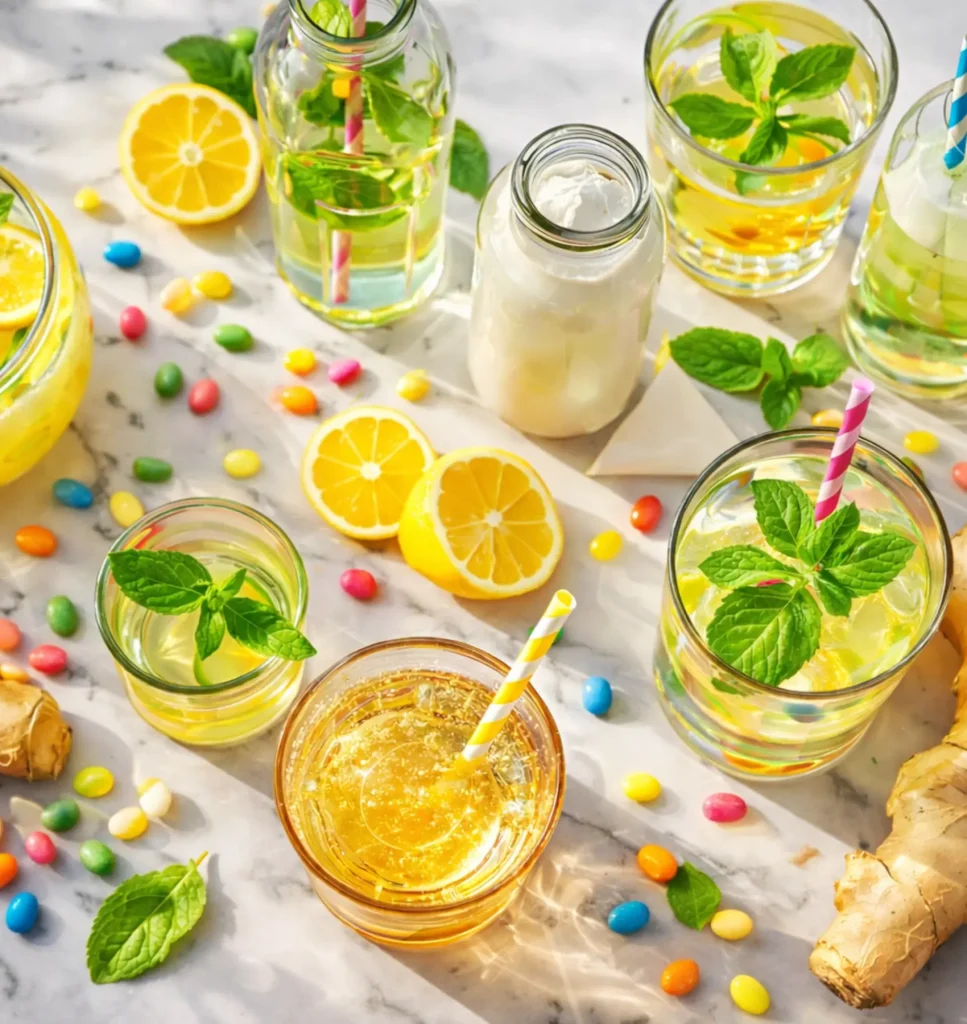
Coconut water has become my bedside staple. It naturally replaces what you lose during those sweaty nights, and the subtle sweetness is refreshing without being sugary. It doesn’t upset my stomach like those bright-colored sports drinks sometimes do.
Cucumber-infused water is another favorite. I slice a whole cucumber a pitcher with water, add a few mint leaves, and let it sit in the fridge overnight. The result is incredibly refreshing and provides minerals that support your body during temperature fluctuations. Plus, it makes drinking enough water throughout the day actually enjoyable.
Here’s a tip that changed everything for me: I keep a large insulated water bottle on my nightstand filled with ice water and a squeeze of lemon. When hot flashes strike, having cold water within arm’s reach makes such a difference. The lemon adds a bit of vitamin C and makes the water taste special rather than medicinal.
Aim for about eight glasses of water daily, but honestly listen to your body. If you’re experiencing frequent menopause fatigue or your skin feels like parchment paper, you probably need more. Just pace yourself in the evening to avoid those annoying 2 a.m. bathroom trips.
Soothing Drinks for Joint Comfort
Nobody warned me that menopause might come with achy joints, but here we are. The good news is that certain drinks can help ease that inflammation and discomfort. Ginger tea tops my list; it’s warming, spicy, and genuinely helps with those creaky morning joints.
I make fresh ginger tea by steeping thin slices of peeled ginger root in hot water for about ten minutes. Sometimes I add a drizzle of honey and a squeeze of lemon. It’s become my morning ritual, and I’ve noticed less stiffness in my hands and knees since making it a daily habit.
Green tea deserves attention too, though I’m careful about timing. The benefits are real, but because it contains caffeine, I only drink it before noon to avoid sleep disruptions. If caffeine bothers you, white tea offers similar goodness with less of a buzz.
Turmeric lattes have become trendy, and I understand why golden milk made with turmeric, ginger, black pepper, and your choice of milk is both delicious and helpful for those achy days. The black pepper helps your body absorb turmeric better. I make mine with unsweetened almond milk and a tiny bit of maple syrup, and it’s become my cozy afternoon ritual.
Parsley-infused water might sound unusual, but it’s surprisingly helpful for overall health. Simply steep fresh parsley in hot water for a few minutes, strain, and drink warm or cold. This simple beverage is refreshing and may help reduce that puffy feeling. I’m cautious about quantity, though one cup a day is plenty, as parsley packs quite a punch.
What to Avoid: Drinks That Make Things Worse
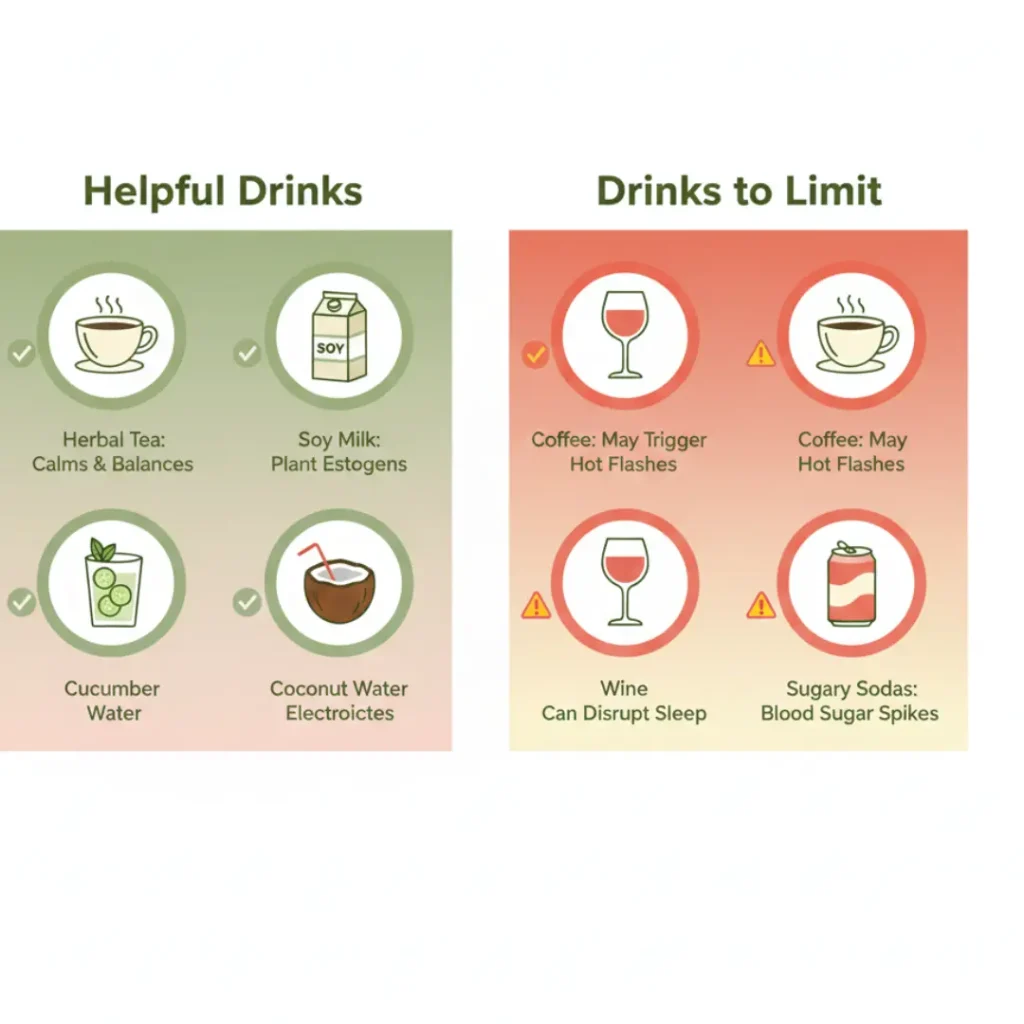
This part isn’t fun, but it’s important. Some beverages we love can actually intensify menopause symptoms. Coffee is my personal struggle; I adore it, but more than one cup triggers hot flashes for me, caffeine narrows blood vessels and raises blood pressure, which can set off those sudden heat surges we’re trying to avoid.
Alcohol is another tricky one; a glass of wine might seem relaxing, but it actually disrupts your sleep and can trigger both hot flashes and night sweats. I’ve learned that even one drink affects how rested I feel the next day, despite technically sleeping enough hours. Red wine, in particular, seems to be a common hot flash trigger for many women I know.
Sugary sodas and energy drinks are worth limiting, too; they cause blood sugar spikes followed by crashes, which can worsen mood swings and energy levels. Plus, the caffeine and sugar combination is like throwing fuel on the menopause fire. If you’re craving something fizzy, try sparkling water with a splash of 100% fruit juice.
Iced beverages right before bed might seem helpful, but they can actually backfire. Your body has to work to warm itself up, which can trigger a hot flash. Room temperature or slightly cool drinks work better in the evening. I know it sounds counterintuitive, but try it, you might be surprised.
Creating Your Personal Beverage Strategy
Every woman’s menopause journey is unique, which means your ideal drink lineup might look different from mine. The key is to experiment mindfully and pay attention to how your body responds. I keep a simple journal where I note what I drink and how I feel. Patterns emerge pretty quickly.
Start your day with something gentle. I rotate between warm lemon water, ginger tea, or a soy milk smoothie. This sets a positive tone without shocking my system with caffeine first thing. Mid-morning, if I’m having a low-energy moment, I might have a small cup of green tea, but I’m strict about the noon cutoff for anything caffeinated.
Afternoon hydration focuses on plain water or herbal iced teas. Peppermint, hibiscus, or fruit-infused waters keep things interesting. I’ve learned that staying ahead of thirst prevents that desperate, parched feeling that makes hot flashes worse.
Evening wind-down beverages are crucial for good sleep. Chamomile or passionflower tea about an hour before bed helps signal to my body that it’s time to relax. I pair this with reduced screen time and a cool bedroom; the whole routine matters, not just the drink itself. Understanding why sleep problems increase after age 50 has helped me create better evening habits.
Don’t forget about timing your last beverage, too. I stop drinking anything about an hour before bed to minimize nighttime bathroom trips. There’s a delicate balance between staying hydrated and getting interrupted sleep. You’ll find your sweet spot with practice.
The Bigger Picture: Drinks as Part of Your Wellness Toolkit
Here’s what I want you to understand: drinks alone won’t solve everything, and that’s perfectly okay. They’re one powerful tool in your menopause management toolkit, alongside nutrition, movement, stress management, and possibly medical support. Think of beverages as supportive players rather than miracle cures.
The Mediterranean approach to eating and drinking has served me well; lots of water, herbal teas, and moderate amounts of plant-based beverages fit naturally into this lifestyle. Combined with whole foods, healthy fats, and regular movement, these drinks enhance an overall wellness strategy rather than trying to compensate for other unhealthy habits.
I’ve also learned that consistency matters more than perfection. Missing your sage tea one day won’t undo all your progress. Similarly, enjoying an occasional coffee or glass of wine doesn’t make you a failure. This is about sustainable changes that support your wellbeing long term, not rigid rules that make life miserable.
Pay attention to quality, too. Organic herbs for teas when possible, good water filters if your tap water tastes off, and reading labels on plant-based milks to avoid unnecessary additives. These small quality choices add up to better support for your changing body.
Remember that supplements for perimenopause and beyond might work alongside your beverage strategy. Some women find that vitamin D, B vitamins, or omega-3s complement their dietary approaches. Always run these ideas past your healthcare provider to create a plan that’s safe and effective for your specific situation.
Frequently Asked Questions
Moving Forward with Confidence
Navigating menopause doesn’t have to feel like stumbling through a minefield of symptoms. Understanding what drinks are good for menopause symptoms gives you practical, accessible ways to support your body through this transition. Every sip of cooling peppermint tea, every glass of hydrating coconut water, and every mindful choice about caffeine timing adds up to feeling better and more in control.
Start simple, pick one or two drinks that resonate with you, and experiment for a couple of weeks. Notice what feels good and what doesn’t help. Your body is the best guide here, and learning to listen to its signals is one of the most valuable skills you can develop during this life stage. There’s no single perfect formula because you’re unique.
This transition period is also an opportunity to discover new flavors and rituals that bring you comfort, maybe it’s that morning ginger tea ceremony, or the evening chamomile wind-down routine, or the satisfaction of sipping cucumber water on a hot afternoon. These small moments of self-care add up to a more peaceful experience of thriving through menopause with energy and confidence.
Remember to consult your healthcare provider before making significant dietary changes, especially if you’re taking medications or managing other health conditions. They can help you create a personalized approach that considers your complete health picture. What works beautifully for one woman might not suit another, and that’s completely normal.
What’s one beverage change you’ll try this week? It’s brewing your first cup of sage tea, or finally buying that coconut water you’ve been curious about. Small steps forward are still progress, and you’re worth the effort. Share your experiences and discoveries, we’re all navigating this together, one sip at a time.