
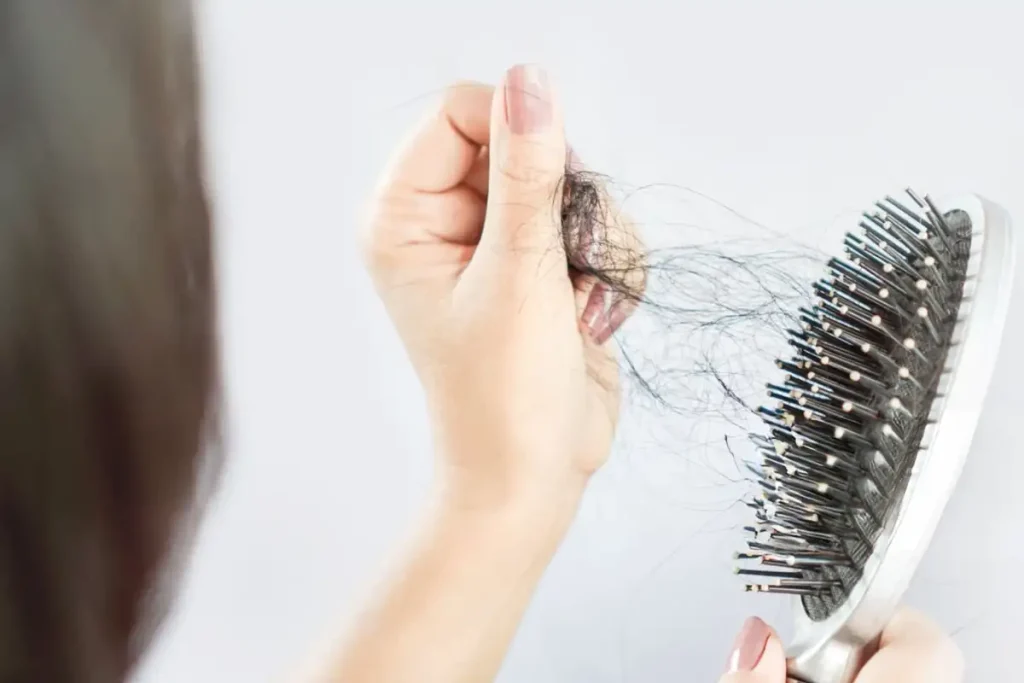
I pulled another clump from my brush last month and stared at it, heart sinking. My hair had always been my thing, thick, full, the kind people complimented. At 62, I’m watching it change in ways that confuse me. Is this just fine hair getting finer, or am I actually losing hair? The difference matters more than I initially grasped, because fine hair vs thinning hair over 60 requires completely different approaches, understanding which one you’re experiencing can save you months of frustration and wasted money on treatments that won’t work.
Understanding the fundamental difference
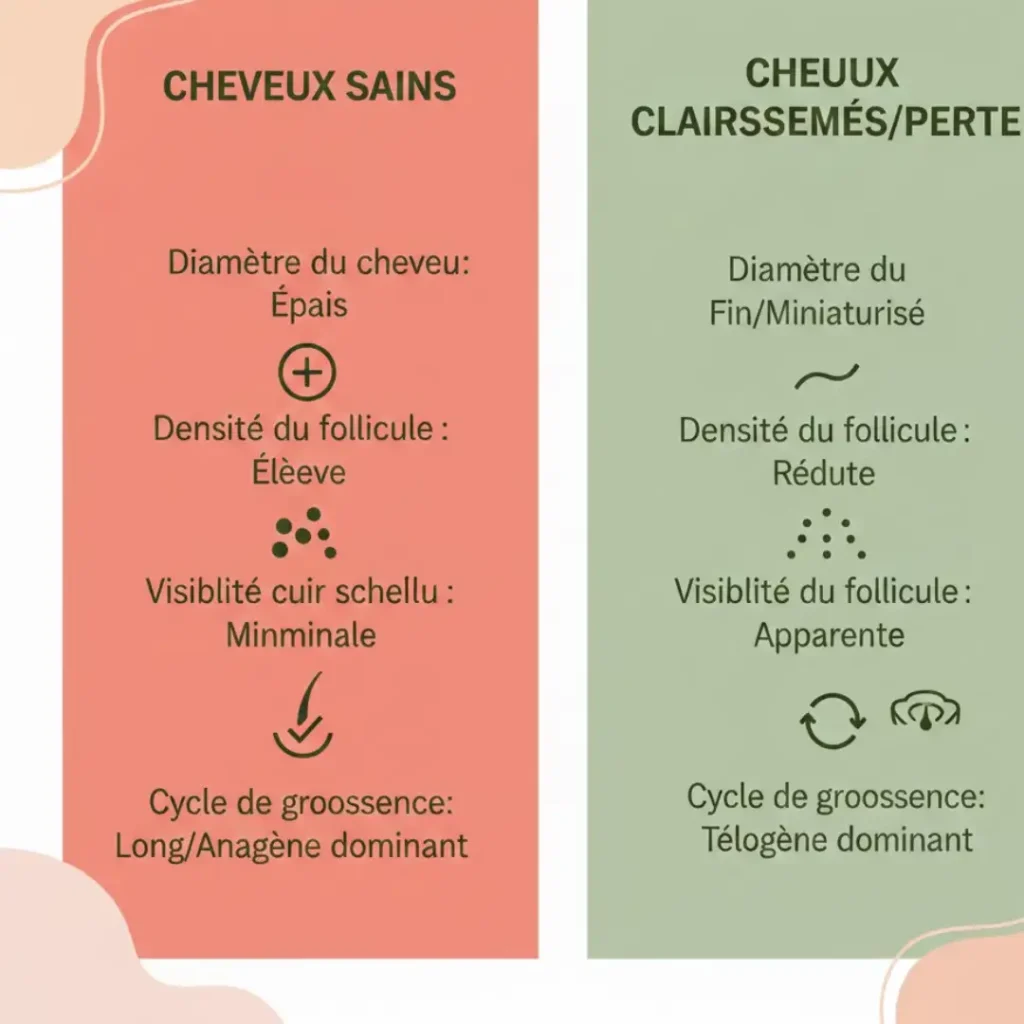
The distinction between fine hair and thinning hair over 60 isn’t just semantic; it’s medical. Fine hair refers to the diameter of individual strands; think of it like thread thickness in fabric. Some women are born with fine hair, and it stays that way throughout life. The strands are thinner, but you have a normal number of them covering your scalp.
Thinning hair means you’re losing follicles, or they’re producing weaker, shorter strands than before; the amount on your head is dropping. You might have thick or fine individual hairs, but fewer of them are showing up at the party.
I spent two years treating myself for fine hair when I actually had early-stage thinning. The volumizing shampoos and thickening sprays did absolutely nothing because they couldn’t address the real issue: my follicles were shutting down production, which is time and confidence I can’t get back.
The hormonal roller coaster we ride through perimenopause, menopause, and postmenopause affects both conditions but in distinct ways. Estrogen decline can make naturally fine hair even finer while simultaneously triggering pattern hair loss that leads to true thinning.
The at-home tests that actually work
Pull a single strand from your head, hold it between your fingers, can you feel it easily, or does it slip away because it’s so delicate? Fine hair often feels almost invisible between your fingertips, while normal or thick hair has a substantial presence.
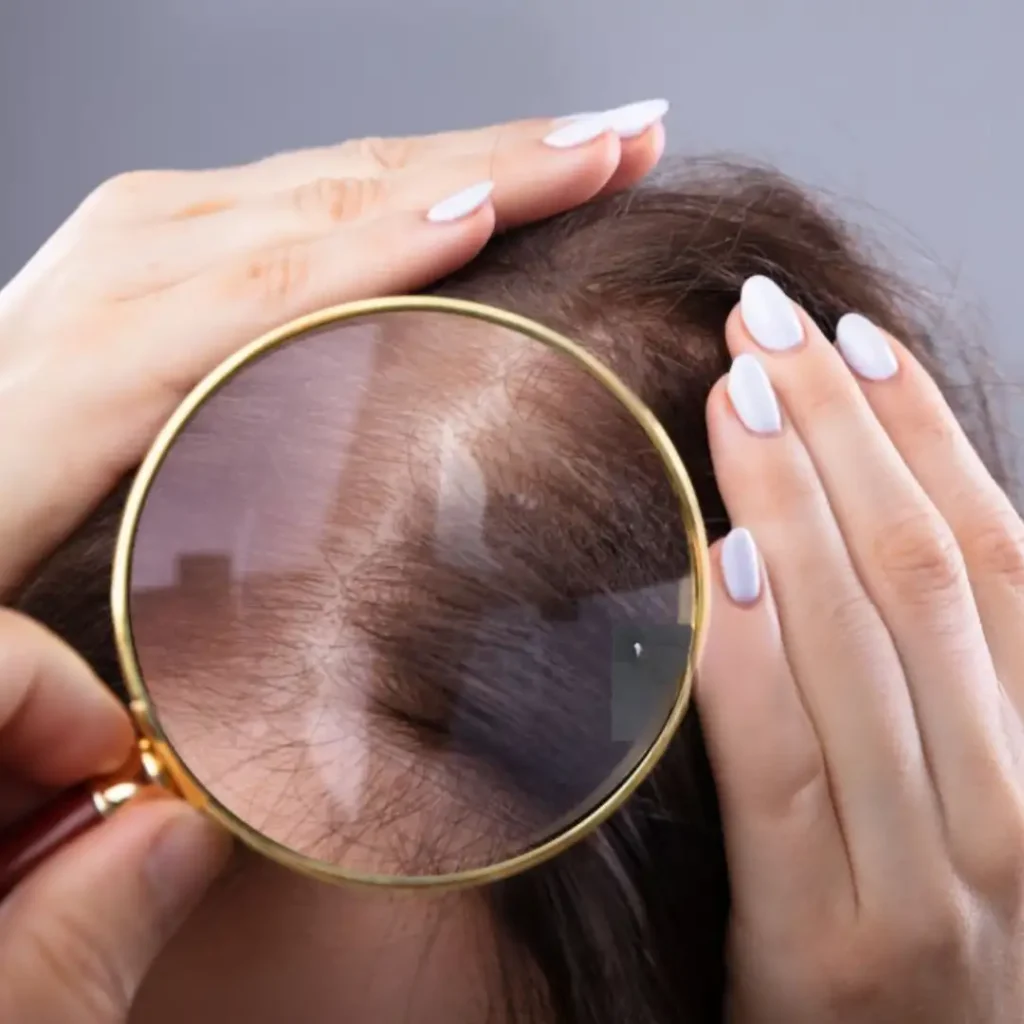
Now try this. Part your hair into sections under bright light, and look at your scalp with fine hair. You might see scalp because light penetrates through thinner strands, but the coverage pattern stays consistent across your head with thinning hair; you’ll notice specific areas, usually the crown and part line, where scalp visibility has increased compared to other sections.
Take photos of your crown area in the same lighting. This visual timeline became my reality check. I could clearly see the widening part that volumizing products were masking temporarily, but not actually fixing.
Check your ponytail diameter, too. Wrap a measuring tape around a ponytail at the same spot each month. Fine hair might give you a smaller circumference, but it is relatively stable. Thinning hair produces a ponytail that shrinks over time as you lose actual volume.
What Happens to Hair Follicles After 60
Our follicles enter a different life stage along with the rest of us; the growth phase shortens while the resting phase lengthens. This means hair doesn’t grow as long as it used to, and follicles spend more time resting before sprouting new strands.
For women with naturally fine hair, this can mean that already-lacking substance becomes even more delicate; the follicle still functions, but it produces a slightly thinner product than before. Think of it like a factory, the same number of items but using less material per item.
With true thinning, follicles miniaturize or stop producing altogether; the factory is shutting down production lines. This process, called androgenetic alopecia, affects about 40 percent of women by age 60. Testosterone, yes, we have it too, converts to DHT, which attacks genetically sensitive follicles.
hormones, weight loss, and women over 60 accelerate this process dramatically, the protective effect estrogen had on our follicles diminishes, while the ratio of androgens increases. Some follicles can’t handle this new hormonal environment and gradually surrender.
Thyroid issues compound everything; my own hair situation improved significantly once we addressed my sluggish thyroid. The connection between thyroid function and hair health is substantial but often overlooked until other symptoms force testing.
Styling Strategies for Fine Hair
Fine hair needs lift at the roots and careful product selection. Heavy conditioners and oils weigh it down instantly, making it look flat and limp. I switched to lightweight, volumizing formulas that add body without residue.
Blow-drying upside down creates temporary volume that lasts surprisingly well; using a round brush at the roots while directing heat upward helps too. The trick is creating the illusion of thickness through strategic lifting.
Shorter cuts generally work better than long styles. Hair’s own weight pulls it flat, so keeping length above the shoulders often provides more natural volume. Layers cut at different lengths prevent that stringy, see-through look that happens when all fine strands hang at the same level.
Avoid heavy styling products. Instead, use lightweight mousses or root-lifting sprays applied only where needed. Less is genuinely more with fine hair; overloading it backfires every time.
Color can help; strategic highlights create the appearance of dimension and depth that solid color lacks. Ask your stylist about lowlights, too, which add shadow and make hair look thicker than it is.
Treatment Options for Thinning Hair
Thinning hair often requires medical intervention beyond styling tricks. Minoxidil remains the gold standard treatment approved for women. The 2 percent formula applied daily to the scalp can stimulate struggling follicles back into production.
I started minoxidil eight months ago. The initial shedding phase freaked me out. My hair looked worse before it looked better. But now I see tiny new hairs sprouting along my part line. Patience is essential because follicles don’t wake up overnight.
Low-level laser therapy shows promise in clinical studies. These devices use red light to stimulate follicle activity. They’re expensive, and results vary widely, but some women swear by them. I’m considering one after seeing a friend’s progress.
Platelet-rich plasma (PRP) injections involve drawing your blood, processing it to concentrate growth factors, and injecting it into your scalp. It sounds medieval, but it works for some women by essentially fertilizing struggling follicles. Your healthcare provider can discuss whether you’re a candidate.
Supplements matter, though they’re not miracle workers. Biotin, iron, vitamin D, and zinc all play roles in hair health. I had my levels tested before starting any supplements because taking what you don’t need wastes money. What are the best supplements for perimenopause and beyond? Can’t hurt and might help.
Prescription options exist, too. Some dermatologists prescribe spironolactone, an anti-androgen that blocks DHT’s effects on follicles. It requires monitoring but can slow or stop hormonal hair loss in some women.
When professional help becomes necessary
If you’re seeing rapid changes or significant scalp visibility developing over months rather than years, see a dermatologist specializing in hair loss. They can perform a scalp biopsy or pull test to diagnose exactly what’s happening.
Blood work helps identify underlying causes. Thyroid dysfunction, anemia, autoimmune conditions, and nutritional deficiencies all manifest through hair changes. Treating the root cause often improves hair health as a side effect.
Don’t wait too long. Once follicles die completely, they’re gone. Early intervention gives you the best chance of maintaining what you have and potentially regrowing some of what you’ve lost. I wish I’d acted sooner instead of convincing myself it was just fine hair being dramatic.
Trichologists specialize specifically in hair and scalp health. While they’re not medical doctors, experienced ones can identify problems and recommend appropriate referrals or treatments. Finding one through professional organizations ensures you’re working with someone qualified.
Building your personal hair care routine
Your routine should match your specific situation. Fine hair thrives with lightweight products, frequent washing to prevent oil buildup, and styling techniques that add lift. Thinning hair needs gentler handling, treatments that support regrowth, and protective styles that minimize tension.
I wash every other day now instead of daily. This gives my scalp’s natural oils time to nourish strands without making fine hair greasy. On non-wash days, dry shampoo at the roots refreshes my style.
Silk pillowcases reduced breakage noticeably. The smooth surface creates less friction than cotton, which matters when each strand counts. It’s a small change with a measurable impact over time.
Scalp massage became part of my evening routine. Spending five minutes using fingertips to stimulate blood flow to follicles feels good and delivers nutrients to hair roots. Whether it actually regrows hair remains debatable, but it certainly can’t hurt.
Stress management matters more than I expected. High cortisol levels disrupt hair growth cycles, pushing more follicles into the resting phase. My meditation practice and regular walks contribute to hair health as much as to my mental wellbeing.
Frequently asked questions
Moving forward with confidence
Three months into properly treating my thinning hair rather than just trying to volumize fine strands, I’m seeing real progress. Those baby hairs along my part represent hope and validation that understanding the difference matters.
Your hair journey at 60 and beyond doesn’t have to be about loss and resignation. Whether you’re managing fine hair that needs smart styling or thinning hair that requires treatment, taking action feels empowering. The sooner you identify which challenge you’re facing, the better equipped you’ll be to address it effectively.
Consulting with healthcare providers who take hair concerns seriously makes a substantial difference. I finally found a dermatologist who didn’t dismiss my worries as vanity but recognized them as valid health concerns worth investigating and treating.
Remember that hair changes don’t define your worth or beauty, but addressing them proactively can boost confidence and prevent further loss. You’re not being vain by caring about your hair; you’re being practical about maintaining one aspect of how you present yourself to the world.
For more guidance on embracing while staying vibrant, explore our resource on healthy aging for women over 50.