

The envelope sat on my kitchen counter for three days before I opened it. Early retirement package, voluntary, they said, with generous terms. At 54, I could walk away from the career that had defined me for twenty-eight years.
I should have felt relieved, maybe even excited, but instead, I felt something closer to panic. Without my job title, my project deadlines, and my team meetings, who was I? The question kept me awake for weeks, not because I loved my work so desperately, but because it had structured my entire adult existence, and I had no idea what came next.
What I discovered through that disorienting transition, and through conversations with dozens of women navigating similar crossroads, is that losing your old identity isn’t the crisis; it’s the invitation, when the roles that consumed your energy for decades finally release you, you gain something most people never experience: the freedom choose what your life is actually for.
Understanding why life feels different after 50 provides essential context for this identity transformation. Your brain, body, and circumstances are all evolving simultaneously, creating both challenge and rare opportunity.
When your former self stops making sense
For most women, identity between 25 and 50 gets constructed around external obligations and other people’s requirements. You become someone’s colleague, someone’s partner, someone’s parent, someone’s caregiver; these identities held meaning and value, and later life may also mean redefining your role as a grandmother.
Then, circumstances evolve, and adult children establish independent lives. Careers plateau or conclude, parents pass on, and relationships transform. Suddenly, the architecture that organized your entire reality for decades loosens or vanishes.
I remember my first Monday morning without anywhere I had to be. After years of relentless schedules and competing demands, this should have felt like liberation. Instead, I felt completely adrift. Who was I without my professional identity?
That grief deserves acknowledgment, and what waits on the other side: freedom to intentionally design what your life means moving forward. Developing self-compassion after 50 becomes essential here, as you move through this identity evolution without harsh judgment.
The questions that unlock your next chapter
Discovering purpose after 50 begins with asking yourself questions you may never have had room to explore before, finding a quiet moment, and being honest with yourself about these:
What energizes me when I picture my days ahead? Not what sounds admirable or what others would applaud, what makes you feel genuinely alive? For me, it was realizing I felt most engaged connecting with women navigating this exact transition that eventually shaped the work I do now.
What issues do I notice and want to address? You don’t need to tackle global problems; maybe you notice your neighborhood lacks community connection, and you care about young professionals in your field having better guidance than you received. Purpose often emerges from problems you naturally observe and want to improve.
What have I postponed that still calls to me? This isn’t about bucket lists. It’s about authentic curiosity. My friend Jasmine realized she’d always wanted to study botanical illustration but never had breathing room in her schedule. Now she spends weekend mornings sketching native plants and teaching community workshops. It brings her more satisfaction than her entire corporate career ever did.
These questions don’t yield instant answers; live with them for weeks, notice what keeps surfacing, and purpose after 50 requires listening to yourself with fresh attentiveness.
Why purpose after 50 operates differently than ambition at 30
Here’s what I wish someone had explained earlier: purpose in your fifties and beyond functions on completely different principles than career ambition in your thirties.
At thirty, I focused on accomplishment, advancement, and recognition. I wanted to prove my worth, ascend hierarchies, and accumulate credentials that drive built competencies and financial security, but it wasn’t sustainable or ultimately satisfying.
Purpose after 50 emphasizes meaningful contribution over impressing anyone; it’s about what you can offer rather than what you can acquire. It’s about aligned action rather than frantic striving.
I’ve watched women in this phase launch nonprofits addressing causes they care about. Return to artistic practices they abandoned decades ago. Guide younger professionals through challenges they’ve navigated. Build businesses based on hard-won expertise rather than market trends. Volunteer in ways that leverage their specific talents.
None of them is trying to prove anything. They’re simply engaging with what resonates now, with the perspective and confidence that only decades of experience can provide. Understanding mindset after 50 helps transform this transition from frightening uncertainty to exciting possibility.
The authorization you’re waiting for (that will never arrive)

If you’re waiting for someone to authorize you to pursue what resonates with you now, here’s reality: that authorization will never come. Not from your partner, your adult children, your former colleagues, or society at large. The same pattern can show up in practical life changes, like decluttering with a resistant partner.
I spent months after my career transition waiting for external confirmation that it was acceptable to pursue teaching and creating instead of returning to executive leadership. That confirmation never materialized. I finally had to authorize myself.
You don’t need permission to want things, to change direction, to explore something new as a 50-year-old woman, at 52, 59, or 65, to center your own fulfillment rather than others’ expectations.
The women I know who’ve discovered authentic purpose after 50 all share this quality: they stopped waiting for authorization and started experimenting with what called to them. Not recklessly. Not without thoughtfulness. But decisively, trusting themselves to navigate as they went.
Small experiments outperform grand plans.
One of the biggest missteps I observe women making when searching for purpose is trying to resolve everything before taking any action. They want the complete blueprint, the guaranteed outcome, the certainty that this new direction will succeed before they invest.
Purpose doesn’t reveal itself that way. It emerges through action, not strategizing.
Instead of asking “what should I dedicate the next twenty years to,” ask “what small experiment could I try this month?” The goal isn’t commitment. It’s information.
Jasmine didn’t quit her job and enroll in a full-time botanical illustration program. She took a six-week Saturday morning class at the community arts center. By week three, she knew this energized her. Now, four years later, she’s teaching beginners and accepting commissions for nature journals.
Small experiments give you real data about what actually fulfills you versus what sounds appealing in theory; they allow quick course corrections and build confidence through action rather than analysis. Building connections, finding your tribe after 50, often happens through these experiments, as you naturally encounter like-minded women pursuing similar interests.
Purpose across different life situations
Discovering purpose after 50 looks different depending on your specific circumstances, and that’s completely valid.
If you’re still working full-time, purpose might emerge through reframing how you approach existing work or creating meaningful pursuits outside work hours. You don’t have to leave your job to discover purpose; sometimes it’s about reshaping what you’re already doing or adding elements that resonate with you.
If you’re experiencing empty nest, this transition opens space but can feel destabilizing. Start by reclaiming time for yourself without immediately filling it with new commitments, and explore interests you set aside during intensive parenting years. Allow yourself months to discover what authentically calls to you now.
If you’re managing health challenges, purpose can absolutely exist alongside physical limitations. Many women discover that health challenges clarify what truly matters, and focus on what they can engage with rather than what they can’t. Managing transitions through resources like understanding mental clarity after 50 supports your capacity to engage purposefully.
What blocks you (and how to move through it)
Even when you know what resonates with you, several obstacles can prevent you from actually pursuing purpose after 50.
Guilt about centering yourself. Decades of prioritizing others don’t disappear instantly. Here’s what I’ve learned: pursuing your own purpose doesn’t diminish your capacity to support others. Often, it enhances it because you’re operating from abundance rather than depletion.
Fear of judgment or criticism. People might question your choices, especially if they differ significantly from what you’ve done before. Remember that their reactions reflect their own fears and limitations, not your reality.
Imposter syndrome and self-doubt. Beginning something new at fifty-plus can trigger intense self-doubt. Notice these thoughts without letting them paralyze you. Everyone feels like an imposter when exploring new territory. Your age brings wisdom and perspective that younger people lack.
Navigating the emotional variations often means addressing underlying challenges like mood swings after 50, so they don’t derail your purposeful pursuits before they begin.
Living your purpose daily
Discovering purpose after 50 isn’t about one grand decision that resolves everything; it’s about making choices each week that align with what resonates with you now.
Protect time for what’s meaningful. Block hours on your calendar for purposeful activities with the same firmness you’d block a medical appointment. If you don’t protect this time, everything else will consume it.
Share your pursuits with others. Keeping your new interests private might feel safer, but sharing them creates accountability and opens unexpected doors. Tell people what you’re exploring, and you’ll be surprised by how many connections and resources emerge.
Allow yourself to iterate and evolve, your sense of purpose at 52 might shift by 58, not failure, that’s growth, stay curious about what fulfills you rather than rigidly clinging to a single definition.
Connect with others on similar paths. Purposeful living gets easier in a community. Seek out women who are also redesigning their lives around meaning rather than obligation. The lifestyle practices you build while establishing morning routines for women over 50 create the foundation for consistently engaging with your purpose.
Your invitation to begin
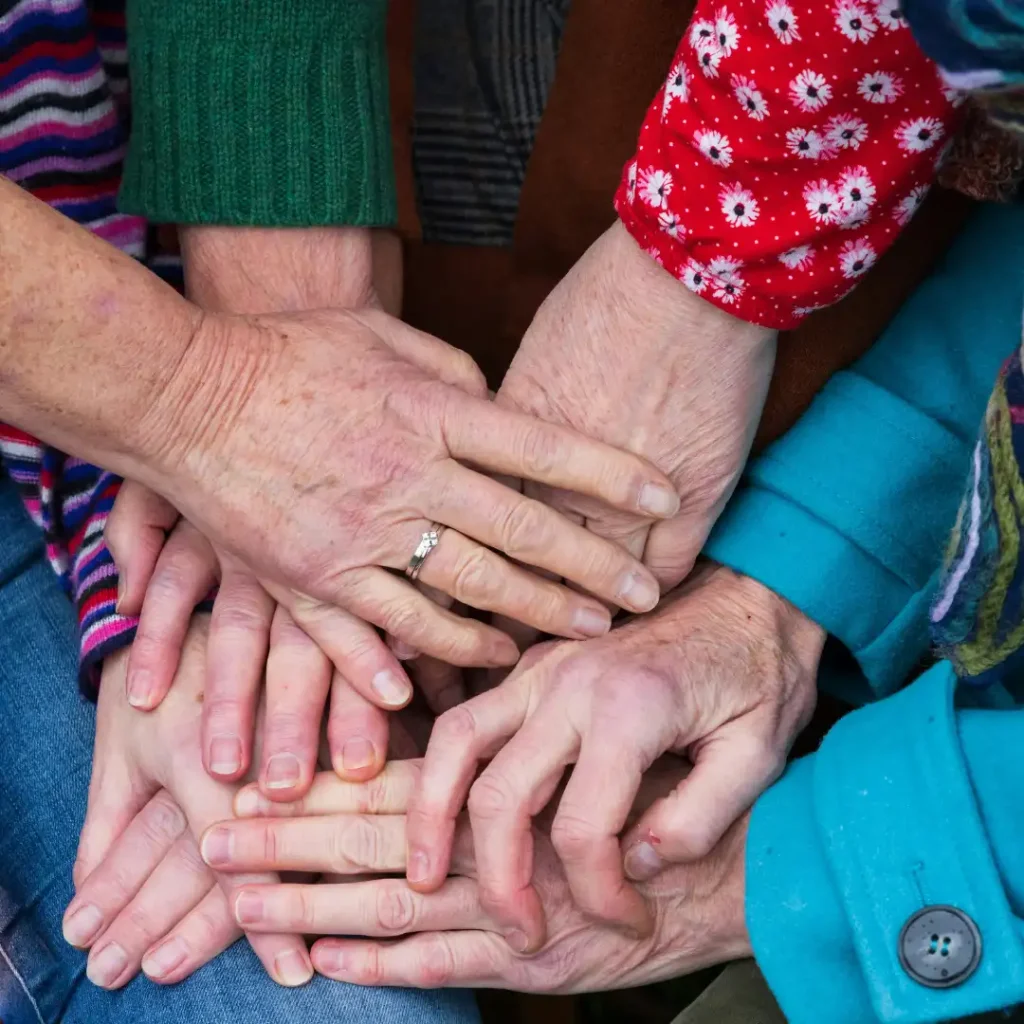
Discovering purpose after 50 isn’t about having all the answers before you start; it’s about getting quiet enough to hear what truly resonates with you, brave enough to honor that, and willing to experiment your way forward.
You’re not beginning from nothing; you’re building on decades of skills, relationships, wisdom, and resilience. You know yourself better now than you ever have, and that wisdom can become part of thriving through generations.
Jasmine didn’t wake up one day with her entire purpose resolved; she started with curiosity about botanical art, took one class, and followed what energized her. Four years later, she’s built something meaningful that brings her joy and serves others.
Your path will look different from hers and different from mine. That’s exactly the point. This is about your purpose, designed around your values, interests, and strengths.
The question isn’t “what should I do with the rest of my life?” The question is “what small step could I take this week toward what resonates with me?”
Start there. The rest will unfold as you move forward.
Frequently asked questions about finding purpose after 50
For the broader framework that connects this topic with purpose, self-compassion, relationships, and everyday habits, return to our Mindset After 50 guide.
What if I don’t know my purpose?
That’s completely normal and actually the starting point for most women. Purpose isn’t something you discover fully formed. It emerges from paying attention to what energizes and drains you and to what you’re curious to explore. Start with small experiments rather than trying to resolve your entire purpose before taking action.
Can purpose be small and personal?
Absolutely. Purpose doesn’t need to be world-changing or impressive to others. It might be becoming a skilled gardener, guiding one person in your field, or being the grandmother who shows up consistently. What matters is that it’s meaningful to you personally.
How do I find purpose while working?
Purpose can exist within your current work, alongside it, or completely separate from it. Start by noticing what aspects of your work feel most meaningful. Alternatively, dedicate evenings or weekends to pursuits that resonate with you personally. Many women build purposeful lives while maintaining careers.
What if family questions my new direction?
This is common and can feel painful. Remember that their confusion usually reflects their own fears about change, not the truth about your choices. You don’t need unanimous approval to pursue what resonates with you. Often, family members adjust once they see you flourishing.
For broader guidance on this topic, explore our healthy aging after 50 hub.