
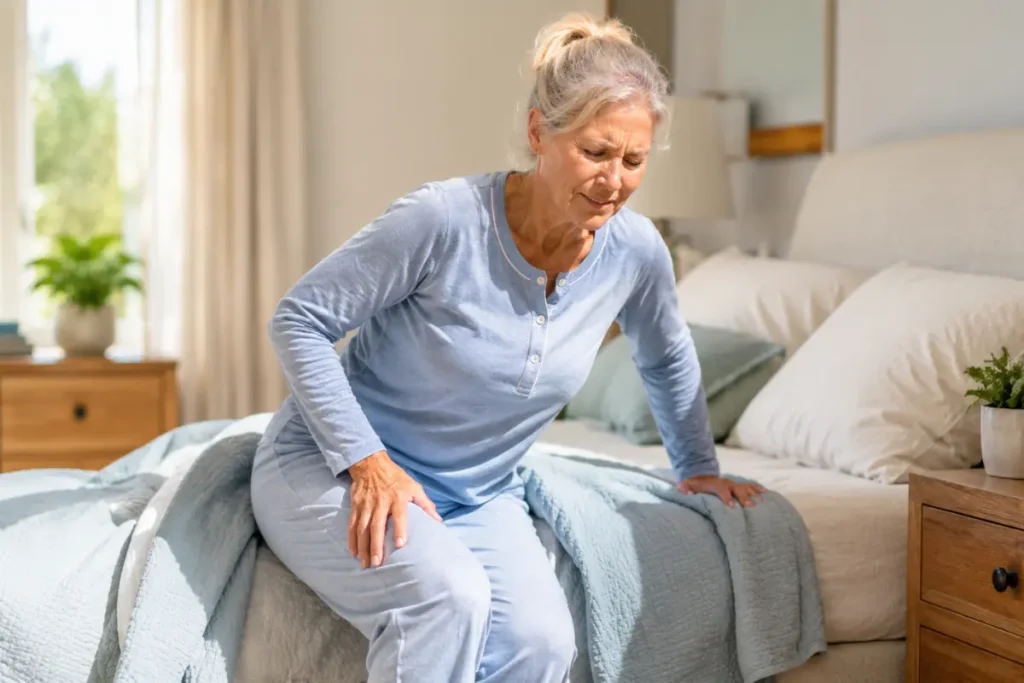
If a simple workout leaves your legs heavy for days, your energy low, and your motivation fading, it may not mean you are “out of shape.” It may mean your body is missing the support it needs to repair, recharge, and come back stronger.
Slow recovery after exercise is one of the most common signs that your body is working harder than it should to restore balance. The workout may be finished, but inside your muscles, cells, circulation, and nervous system, recovery is still happening.
And when that recovery process is under-supported, soreness lasts longer, fatigue builds faster, and even light activity can start to feel difficult.
Why does slow recovery after exercise happen
Exercise creates healthy stress. Your muscles experience tiny tears, your body uses stored energy, and your system works to rebuild stronger tissue afterward.
But recovery depends on several key factors:
- Enough nutrients to repair muscle
- Healthy circulation to deliver oxygen and support
- Proper hydration
- Quality sleep
- Balanced energy levels
- Consistent training, not sudden overtraining
When one or more of these areas is weak, slow recovery after exercise becomes more noticeable. You may feel sore longer than expected, tired after normal activities, or less capable during your next workout.
The common mistake
The biggest error many people make is blaming age, laziness, or lack of willpower.
So they push harder.
They add more workouts, increase intensity, or ignore soreness because they believe discipline is the answer. But if your body is already struggling to recover, pushing harder can make the problem worse.
Another common mistake is focusing only on rest while ignoring internal support. Rest matters, but recovery also requires nourishment, circulation, cellular energy, and daily consistency.
Dangers of ignoring slow recovery after exercise
When slow recovery after exercise is ignored, it can create a frustrating cycle:
You exercise, feel sore for days, lose energy, skip workouts, then restart and feel sore again.
Over time, this can lead to:
- Lower motivation
- Reduced strength progress
- More muscle stiffness
- Poor exercise consistency
- Increased fatigue
- Greater risk of overtraining
- Feeling older than you actually are
The real issue is not that your body cannot recover. It is possible that your recovery system may need better support.
The smarter recovery routine: Food, rest, movement, and Life Pulse SS
If slow recovery after exercise is becoming common, the goal is not to quit being active. The goal is to recover well enough to stay active with more confidence.
A practical recovery routine includes four foundations:
- Train at a level your body can adapt to.
- Eat enough protein, carbohydrates, colorful plants, and healthy fats.
- Hydrate consistently, especially around activity and heat.
- Protect sleep and schedule real lower-load days.
- Life Pulse SS
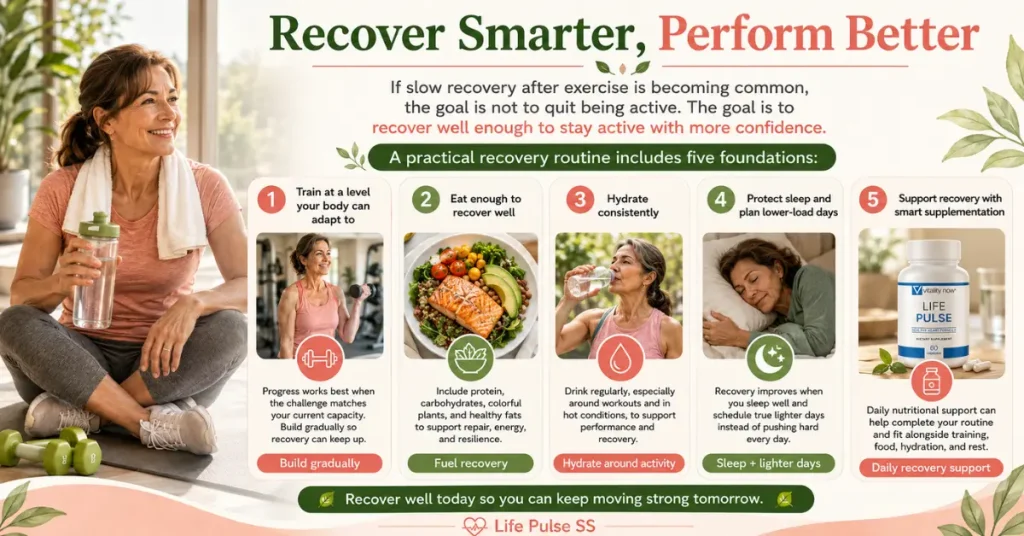
The best way to think about Life Pulse SS is as a supportive part of a larger recovery plan. Supplements work best when the fundamentals are already being respected.
Life Pulse SS for a recovery-focused lifestyle
Life Pulse SS is recommended for people who want to support their body’s natural recovery process, especially when dealing with slow recovery after exercise.
It is designed to fit into a daily wellness routine and help support energy, circulation, and post-exercise recovery from within. Instead of simply masking discomfort, Life Pulse SS helps you give your body the kind of consistent support it needs between workouts.
For best results, use Life Pulse SS alongside:
- Balanced meals with protein
- Regular hydration
- Quality sleep
- Gradual exercise progression
- Rest days that actually allow recovery
How I integrate Life Pulse into a recovery-focused day
This is the practical section. Not theory. Here’s how a supplement like Life Pulse fits inside a recovery-first lifestyle, not as a replacement for any part of it, but alongside the foundations.
Morning: starting the recovery engine
I take two Life Pulse capsules with my first full glass of water, alongside breakfast. The ingredients, particularly CoQ10 and Magnesium, are fat-soluble and absorb best with a meal. Research from Optmzd (2026) recommends taking CoQ10 at 100–200mg with a fat-containing meal for optimal absorption.
My breakfast typically includes eggs or Greek yogurt (protein for muscle recovery), olive oil on sourdough (healthy fat for fat-soluble nutrient absorption), and berries (antioxidant complement to the formula). This combination is not accidental. The Mediterranean-style morning meal that Kaiser Permanente recommends for heart health is the same one that maximizes how well the Life Pulse ingredients actually work.
Mid-morning: the movement window
The American Heart Association’s recommendation of 150 minutes of moderate activity weekly means approximately 20–25 minutes of brisk walking most days. I do mine between 9 and 11am, after the capsules have had time to absorb. The L-Arginine in the formula supports nitric oxide production, which promotes healthy blood vessel dilation during movement, potentially making your cardiovascular response to exercise more efficient.
This is not me claiming Life Pulse boosts your workout. It’s me acknowledging that L-Arginine’s mechanism aligns with what your cardiovascular system does during moderate activity. The two can work together naturally when timed right.
Afternoon: the energy gap window
The 3pm energy drop I described earlier is partially a cardiovascular efficiency issue. When circulation is less than optimal, glucose and oxygen delivery to the brain slows, and cognitive fatigue arrives early. During months one through three of consistent Life Pulse use, some users report that this mid-afternoon dip becomes less pronounced, though individual results genuinely vary.
What I do during this window regardless of supplementation: five minutes of light stretching, a glass of water, and a small protein-rich snack (a handful of walnuts or a boiled egg). This habit stack supports the same circulation and energy objectives the formula targets nutritionally.
Evening: recovery and sleep preparation
Recovery happens during sleep, not during activity. The Magnesium in Life Pulse plays a direct role here. Research published by Optmzd (2026) recommends magnesium glycinate at 200–400mg taken one to two hours before bed for its role in sleep quality and muscle relaxation. Magnesium in the Life Pulse formula contributes to this effect as part of the daily dose taken in the morning, building steady levels in the body over time rather than acting as an acute sleep aid.
Kaiser Permanente specifically identifies seven to nine hours of restful sleep as non-negotiable for women’s cardiovascular health after 50. That’s not a wellness tip. It’s a cardiovascular recovery requirement.
Discover My Daily Circulation Support Routine
My Bottom Line
Life Pulse fits into a recovery-focused lifestyle for women over 50 precisely because it targets what recovery actually depends on: cardiovascular efficiency, cellular energy production, healthy circulation, and antioxidant protection for heart tissues. It doesn’t replace the walk, the resistance band, the protein-rich dinner, or the eight hours of sleep. It complements them, if the formula is as transparent as it appears and if your health profile makes it appropriate for you.
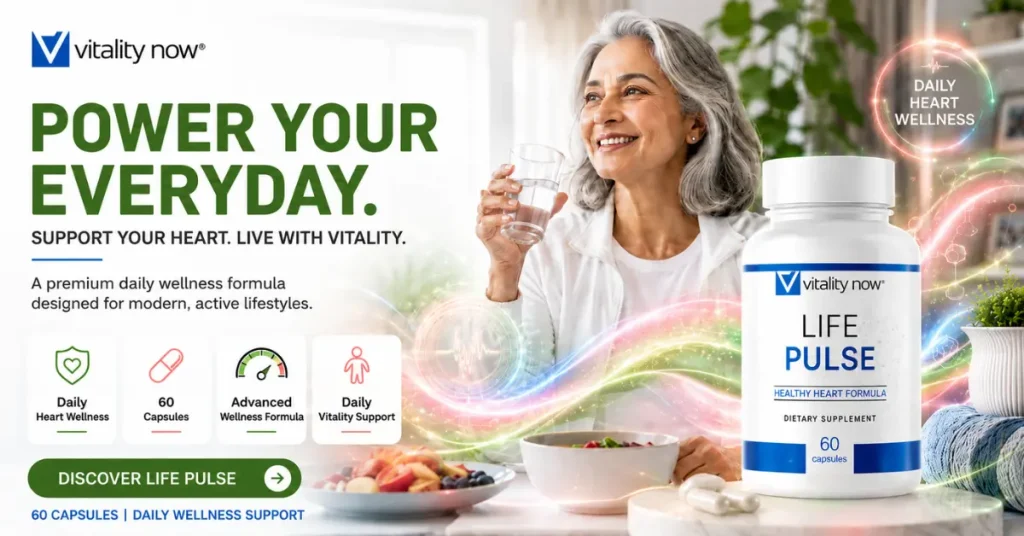
Review the verified formula, current pricing, refund policy, and purchase terms for Vitality Now Life Pulse before deciding whether it fits your recovery routine.
Always verify what you’re putting in your body. The label, the dosages, and the purchase terms matter as much as the ingredients.
Final thoughts: your body is asking for better support
Slow recovery after exercise is not always a sign that you should stop moving. Often, it is a sign that your body needs a better recovery plan.
Start with the basics: progress gradually, eat enough, hydrate well, sleep deeply, and respect lower-load days. Then consider adding Life Pulse SS as part of your daily wellness routine to support active living and post-activity resilience.
Do not let slow recovery after exercise stop you from staying active, strong, and confident. Support your body before fatigue becomes your new normal.
Try Life Pulse SS today and give your recovery routine the daily support it deserves