
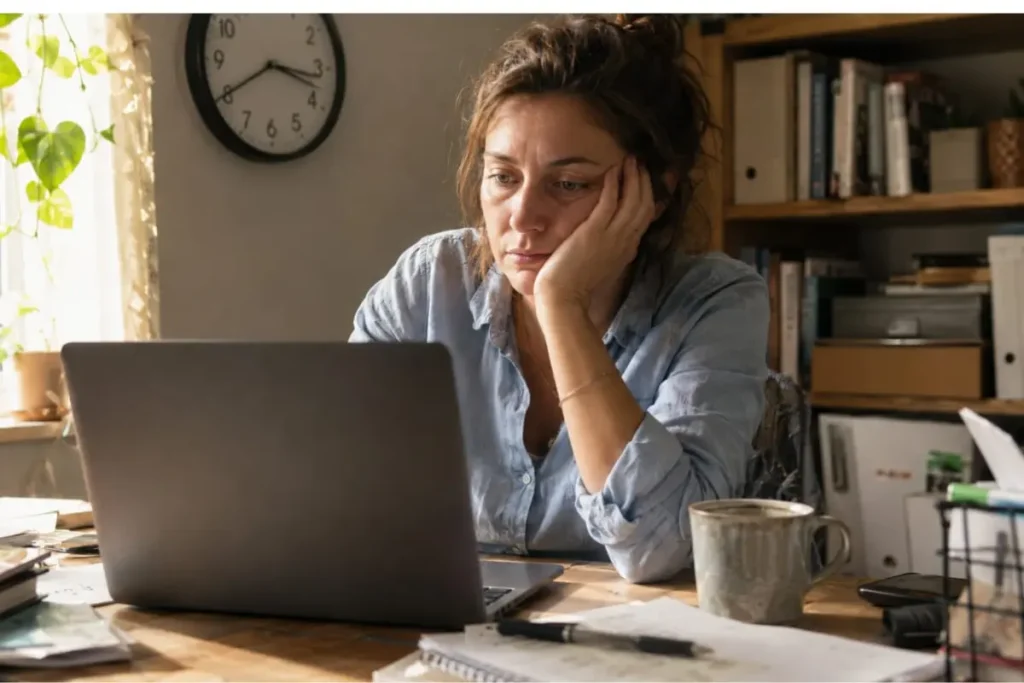
3:17 PM. I remember the exact time because it happened almost every day.
One minute, I was working normally. Next, I was staring at my screen, rereading the same sentence over and over again.
The strange part? I had slept nearly eight hours the night before. I’d eaten lunch. I’d already had my coffee.
By all accounts, I should have felt fine. But every afternoon, somewhere between 2 PM and 4 PM, I hit the same wall.
At the time, I didn’t realize that what I was experiencing had a name. Many women describe the same pattern as afternoon fatigue over 50, a frustrating energy crash that can happen even after a full night’s sleep.
At first, I blamed stress. Then I blamed age. Then I blamed myself. Maybe I wasn’t disciplined enough. Maybe I wasn’t exercising enough. Maybe everyone else felt this way and simply handled it better.
So I did what most people do. I drank more coffee. I tried different vitamins. I experimented with diets. I searched for answers everywhere.
Some things helped temporarily. Nothing solved the problem.
Eventually, I stopped asking why and accepted that feeling exhausted every afternoon was simply part of getting older. Then a conversation changed everything.
One evening, I was talking with a friend who had struggled with the same thing.
Afternoon fatigue.
Brain fog.
Lack of motivation.
Feeling drained despite getting enough sleep.
But recently she seemed different.
Calmer.
More focused.
More like herself.
When I asked what had changed, she said something I couldn’t stop thinking about.
“What if the problem isn’t how much energy you’re getting… but how efficiently your body is using it?”

At the time, I had no idea that one small discovery would completely change how I looked at my afternoon energy crashes.
That question followed me for days. So I started researching.
What Causes Afternoon Fatigue Over 50?
I read about healthy aging, energy metabolism, stress resilience, and why so many adults over 50 experience fatigue even when they seem to be doing everything right.
What surprised me most was discovering how many factors can influence energy levels.
Sleep matters.
Nutrition matters.
Movement matters.
Stress matters.
But healthy energy production inside the body matters too. For women over 50, hormonal changes can make the picture even more complicated.
In fact, afternoon fatigue over 50 is one of the most common complaints among women navigating hormonal changes, shifting sleep patterns, and increased daily stress. Suddenly, years of frustration started making a little more sense.
The more I researched, the more I noticed a pattern. Many people describing persistent fatigue weren’t unhealthy at all.
The more I researched afternoon fatigue over 50, the more I realized that lack of sleep wasn’t always the complete explanation.
They were exercising.
Walking regularly.
Trying to eat better.
Getting enough sleep.
Yet they still felt like they were operating at half capacity.
That realization was oddly comforting.
For the first time, I stopped viewing my fatigue as a personal failure. Maybe I wasn’t broken. Maybe I was simply missing a piece of the puzzle.
Why Afternoon Fatigue Over 50 Isn’t Always About Sleep
Common Signs Of Afternoon Fatigue Over 50
As I continued researching healthy aging, energy metabolism, and stress resilience, I noticed something interesting.
The same type of solution kept appearing in conversations, reviews, and personal stories.
At first, I ignored it. I’d seen plenty of products promising quick fixes and miracle results. This felt different.
What caught my attention wasn’t a bold claim. It was the approach itself.
Instead of focusing on stimulants or temporary energy boosts, it centered around ingredients commonly associated with healthy energy production, stress adaptation, and overall vitality.
The formula combines adaptogenic botanicals, B vitamins involved in energy metabolism, and antioxidant-rich compounds often discussed in conversations about healthy aging.
Nothing about it sounded flashy. In fact, that was exactly why I kept reading. The goal didn’t seem to be creating a sudden surge of energy.
It appeared to focus on supporting the body’s natural ability to produce and use energy more efficiently throughout the day.
What Many Women Overlook About Afternoon Fatigue Over 50
The more I learned, the more curious I became.
What surprised me most wasn’t what I eventually tried. It was the first symptom that was quiet.
At first, I didn’t even notice it. Then one afternoon, I realized something unusual had happened. The daily crash I had come to expect didn’t arrive.
Eventually, I decided it was worth trying for myself. The first couple of weeks felt uneventful.
No dramatic transformation.
No miracle boost.
No sudden breakthrough.
Then one afternoon, something happened.
I looked at the clock. It was nearly 4 PM. And for the first time in years, I hadn’t crashed. The next day, it happened again. Then again.
What surprised me most was that I didn’t feel unusually energized. I simply felt normal.
After years of afternoon exhaustion, normal felt incredible.

Around that time, I started reading experiences from other people.
Linda M., 58, shared:
“I slowly realized I wasn’t organizing my entire day around being tired anymore.”
Karen T., 51, said:
“I kept waiting for a dramatic change. Instead, I realized I had stopped planning my afternoons around exhaustion. For the first time in years, I wasn’t counting the hours until I could go home and rest.”
Their stories sounded remarkably familiar. Nobody was talking about miracles. They were talking about consistency.
And that’s exactly what I had been looking for. Looking back, the biggest surprise wasn’t feeling more energetic.
It was realizing how much of my life had been organized around avoiding that daily crash.
I planned my work around it. I planned my afternoons around it. I even planned my evenings around it.
When that pattern started changing, I knew something was different.
That’s when I became genuinely curious about the approach that had kept appearing throughout my research.
Eventually, I decided to learn more about the supplement that had kept appearing throughout my research.
It was called Life Pulse.
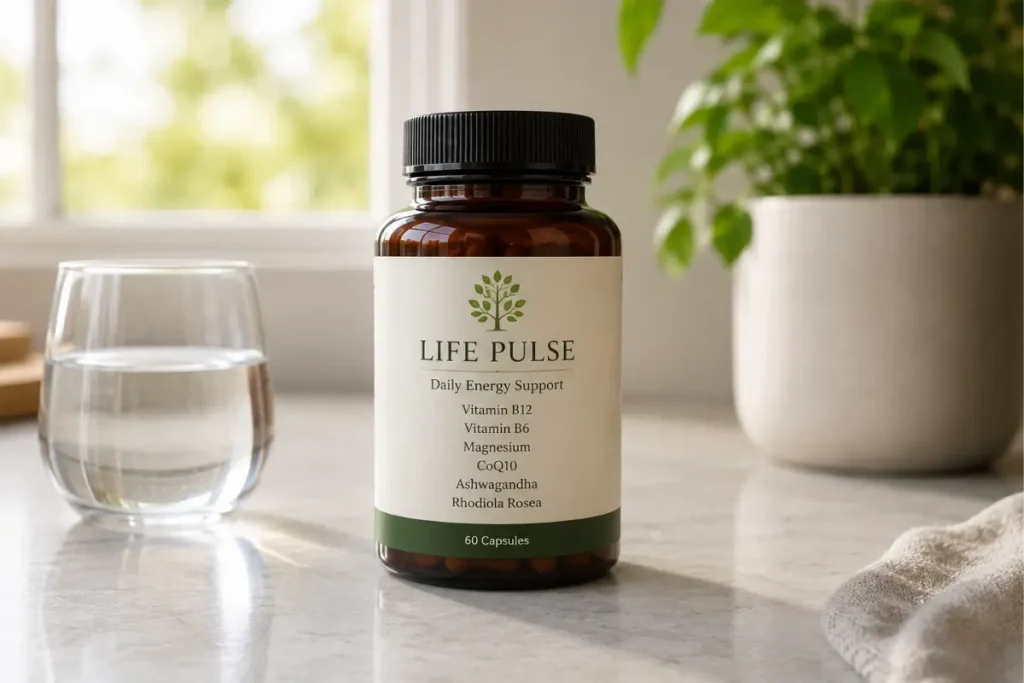
What caught my attention wasn’t a promise of instant energy.
It was the focus on ingredients commonly associated with healthy energy metabolism, stress support, and overall vitality.
Life Pulse combines adaptogens, B vitamins, and antioxidant-rich ingredients designed to support the body’s natural energy processes.
I’m not suggesting it’s a magic solution.
Sleep still matters.
Nutrition still matters.
Exercise still matters.
But for me, it became a helpful addition to the healthy habits I was already trying to build.
If you’re struggling with afternoon fatigue over 50, you may recognize more of this story than you’d like.
If you’re dealing with afternoon fatigue over 50 and you’re tired of wondering where your energy disappears every afternoon, you may want to take a closer look at what I discovered.
👉 See Why So Many Adults Over 50 Are Turning To Life Pulse For Steady Daily Energy